
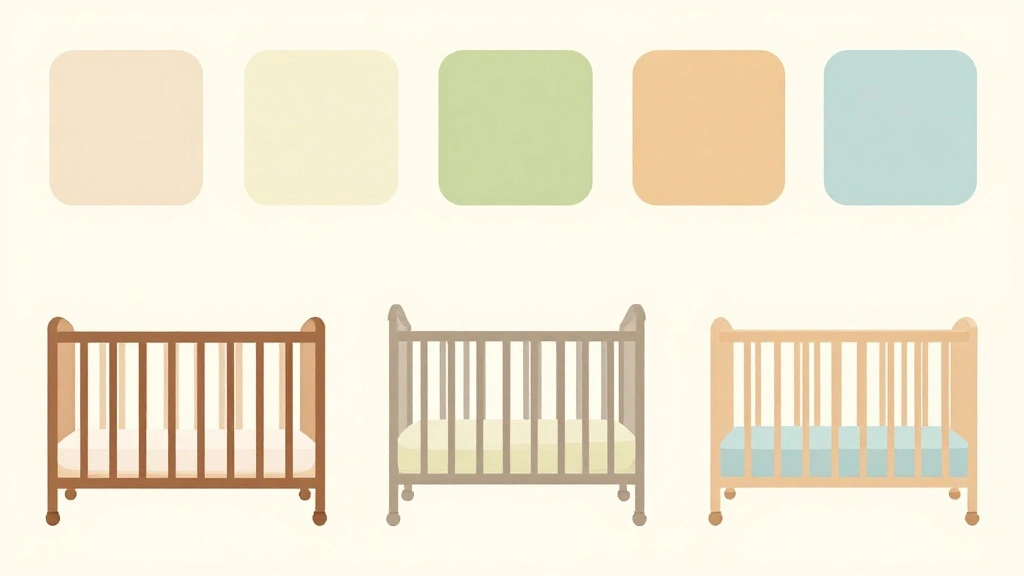


Choosing colors for a nursery can be a daunting task, especially when you want to create a gender-neutral space. With so many options available, it’s easy to feel overwhelmed. Selecting the right colors is crucial because they can impact the mood and ambiance of the room, making it a welcoming environment for your little one.
This guide will help you navigate the world of color selection, allowing you to craft a harmonious and inviting nursery. By the end, you’ll have a clear understanding of how to choose colors that complement each other while remaining neutral. You’ll learn about color theory, popular palettes, and tips for incorporating patterns and textures.
This guide is designed for beginners, and you can expect to spend about 2-3 hours bringing your vision to life. Let’s get started and create a beautiful space that welcomes every child!
TL;DR Summary
- Understand the basics of color theory and its significance in nursery design.
- Explore popular gender-neutral color palettes that work well together.
- Learn practical tips for integrating patterns and textures into your nursery.
- Follow step-by-step instructions to create your dream nursery.
Recommended Products

Vintage Nursery Animal Wall Art Set of 9 This thoughtfully curated set includes 9 charming canvas prints featuring cute forest animals and vintage-inspired illustrations. Soft neutral colors and rustic details create a calm and cozy atmosphere for nurseries and children’s spaces.

Game Room Wall Art: Featuring the playful quote “It Really Is All Fun And Games,” this gold framed wall art adds a cheerful and lighthearted touch to game rooms, kids rooms, playrooms, bedrooms, nurseries, and family spaces. The simple quote design creates a fun decorative accent while fitting naturally into neutral, vintage, cottagecore, and modern interiors
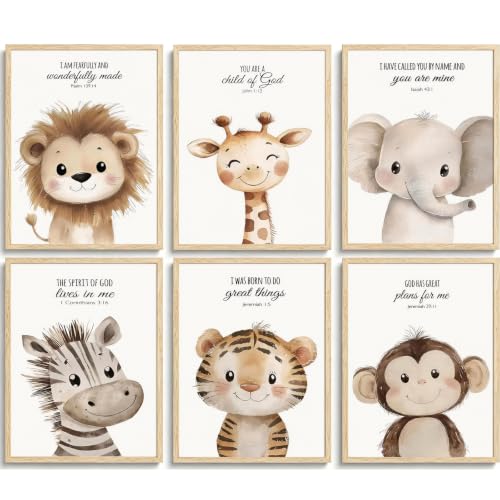
Unique Aesthetic Design: The design of this canvas wall art combines multiple elements and is suitable for most home decoration styles. The unique pattern style on the painting can help you to relax and unwind after work. Each set has 6 wall arts, each with a size of 8x10 inches.
TL;DR Summary
Editor’s Choice

Color Theory for Artists: Everything you need to know about working with…
 Amazon$20.14
Crayola Washable Kids Paint (6ct), School Supplies, Painting Set for Kid…
Amazon$5.99
MIULEE Pack of 2 Corduroy Decorative Throw Pillow Covers 18×18 Inch Soft…
Amazon$6.99Prerequisites/Materials Needed
- Color Swatches: Get at least 5-10 swatches from the paint store.
- Paint Samples: Purchase small sample pots of the selected colors.
- Brushes and Rollers: 1-2 of each for applying paint.
- Painter’s Tape: 1 roll for clean edges.
- Drop Cloths: 2-3 to protect the floor.
- Color Wheel: Optional, for understanding color relationships.
Recommended Products
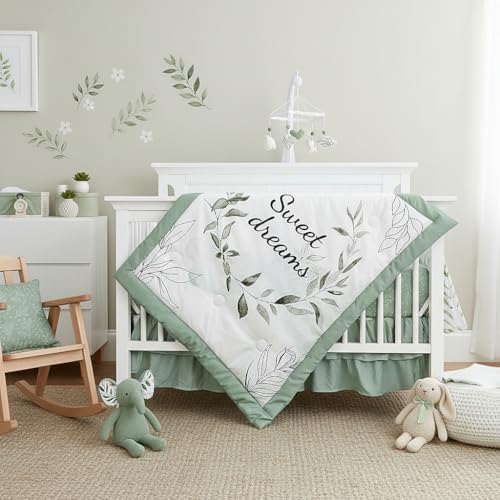
4 Piece Crib Set: Includes Quilt, One Crib Sheet, Crib Skirt, Diaper Stacker
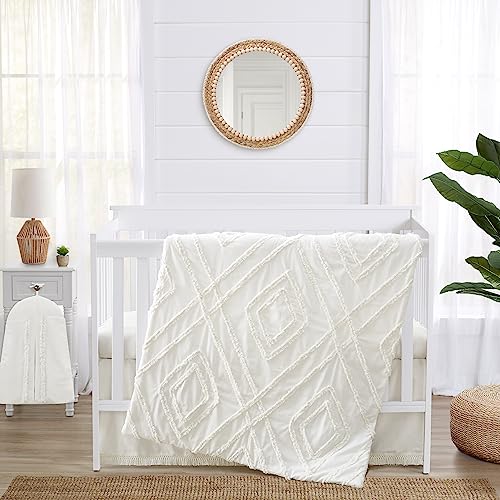
4 PIECE CRIB BEDDING SET INCLUDES: Crib Comforter (45in. x 36in.), Fitted Crib Sheet (52in. x 28in. x 8in. Pocket), Crib Skirt (52in. x 28in. x 15in. Drop) and Diaper stacker (15in. x 20in. x 6in.). An infant crib set including all the baby essentials is a great value compared to purchasing pieces separately. This baby crib set is made of soft 100% cotton fabric and features the minimalist color palette of ivory and off white to bring your gender neutral boho chic themed baby room together.

What You Get: the 4 piece woodland animal theme crib bedding set package includes crib skirt, blanket, crib sheet and diaper stacker, a complete range to decorate a Jungle Safari style crib, convenient and practical
Prerequisites/Materials Needed
Editor’s Choice

12Pcs Clear Acrylic Season Color Palette Cards,Season Color Analysis Swa…
Amazon$18.99
4 Rolls Premium Painters Tape, Blue Tape, Masking Tape, Paint Tape for M…
Amazon$5.99
Shuttle Art Acrylic Paint Set, 15 x 12ml Tubes Artist Quality Non Toxic …
Amazon$6.99Skill Level & Time Estimate
Skill Level: beginner
Total time estimate: 2-3 hours
Breakdown of time:
- Research and Planning: 30 minutes
- Choosing Colors: 1 hour
- Preparation and Painting: 1-2 hours
Recommended Products

Boho Chic & Striped Design: Elevate your home decor with our stylish striped corduroy pillow covers, bringing a touch of Boho elegance and warmth. The unique pattern seamlessly blends with various interior styles, from modern to farmhouse, creating a relaxed and inviting atmosphere in any room.

Premium Corduroy Material: Made from high-quality corduroy fabric, these 18x18 inch pillow covers provide a soft, cozy touch while adding an elegant and warm aesthetic to your home décor. The durable material is designed to withstand daily use, ensuring long-lasting comfort and style for your living space

【Hidden zipper】:With a hidden zipper,it’s easy to put your insert in the pillow case and get a beautiful over appearance.
Skill Level & Time Estimate
Editor’s Choice

10Pcs Paint Brushes for Kids, Anezus Kids Paint Brushes Toddler Large Ch…
Amazon$6.99
ABEIER Washable Finger Paint for Toddlers, Safe Non-Toxic, 12 Vibrant Co…
Amazon$12.79
4 Rolls Premium Painters Tape, Blue Tape, Masking Tape, Paint Tape for M…
Amazon$5.99Step 1: Understand Color Theory

Before selecting colors, familiarize yourself with basic color theory. This knowledge helps in creating a balanced and pleasing palette. Start by:
- Learning about primary, secondary, and tertiary colors.
- Understanding color relationships like complementary, analogous, and triadic colors.
- Exploring how colors affect emotions and perceptions.
Pro Tip: Use a color wheel to visualize these relationships easily. Why this matters: A basic understanding of color theory lays the foundation for your nursery’s aesthetic. It helps you make informed choices that will create a cohesive look.
Time estimate for this step: 30 minutes.
Recommended Products

CRAYOLA WASHABLE PROJECT PAINT: Washable paint in 6 bold colors including Yellow, Green, Yellow Orange, Red Orange, Fuchsia, Teal, and Blue Violet.

16 ASSORTED COLORS: Let your budding artist explore their creativity with 16 Crayola Watercolor Paints in assorted colors, including primary and secondary shades, for a multitude of painting possibilities.

Kids Bulk Paint Set – Cra-Z-Art features Classic Paint in 8 beautiful, vibrant colors
Step 1: Understand Color Theory
Editor’s Choice

JimKing Creative Color Wheel, Paint Mixing Learning Guide, Art Class Tea…
Amazon$4.99
Sherwin Williams Colors collection Deck Complete Paint Colors
Amazon$31.05
Step 2: Choose Your Base Color

Start your color selection by identifying a base color that will dominate the nursery. Follow these steps:
- Consider shades that evoke calmness, like soft greens, yellows, or grays.
- Test out paint samples on the wall to see how they look in different lighting.
- Choose one or two colors to serve as your base.
Warning: Avoid overly bright or dark colors as they can overwhelm the space. Why this matters: The base color sets the tone for the entire room, influencing how other colors will appear alongside it.
Time estimate for this step: 30 minutes.
Recommended Products

VINTAGE LOVE & INSPIRATION: This canvas art featuring the touching quote "You'll never know dear how much I love you" in a clean cursive script, this canvas art creates a warm and encouraging atmosphere. The minimalist, neutral aesthetic adds a gentle, positive touch perfectly suited for early childhood room decor.

Cozy Fall Accent – Warm brown, gray, and cream tassels bring a rustic autumn touch to your home, classroom, or dorm wall.

Kids Curtains: Decorate your child's windows with the playful Lush Decor Star Blackout Curtains. These blue curtains are sprinkled with a pattern of small metallic silver stars that create a magical, dreamlike atmosphere for your kids bedroom.
Step 2: Choose Your Base Color
Editor’s Choice
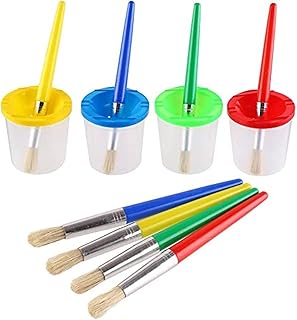
DIYASY 4 Pcs Kids No Spill Paint Cups and 4 Round Paint Brushes 4 Colors…
Amazon$7.98
FolkArt Home Décor Chalk Finish Acrylic Paint, 8oz, 8 ounce, Sage Blossom
Amazon$9.99
20 Sheets Painters Color Diary for 480 Colors Loose Leaf Color Swatch No…
Amazon$13.99Step 3: Select Complementary Colors
Once you have your base color, choose complementary colors that enhance the overall design. Here’s how:
- Look for colors on the opposite side of the color wheel for contrast.
- Consider using two or three complementary colors for accents.
- Test these colors in small patches on the wall to visualize the combinations.
Pro Tip: Soft pastels often work well as complementary colors in a nursery. Why this matters: Complementary colors create visual interest and depth, making the room feel more inviting.
Time estimate for this step: 30 minutes.
Recommended Products

Vintage Nursery Canvas Wall Art: Vintage Nursery Canvas painting set size: 8*10 inches * 5 pieces, we have different styles and sizes for you to choose from to meet your needs and personal preferences. You can hang it anywhere you want, which will show your unique taste and personality and bring a new look to your living space.

Unique Aesthetic Design: The design of this canvas wall art combines multiple elements and is suitable for most home decoration styles. The unique pattern style on the painting can help you to relax and unwind after work. Each set has 6 wall arts, each with a size of 8x10 inches.

Nursery Wall Art Dimensions: Size is 8x10 inches per piece, set of 6 unframed canvases, get your favorite frame ready as our paintings fit different types of frames
Step 3: Select Complementary Colors
Editor’s Choice
JimKing Creative Color Wheel, Paint Mixing Learning Guide, Art Class Tea…
Amazon$4.99
Abaodam Color Cards Deck 365 Color Paint Sample Cards Set Standard Archi…
Amazon$19.69
Apple Barrel, Acrylic Paint Set, 16 pc – 2 oz Bottles, Pastel Perfection…
Amazon$20.46Step 4: Incorporate Patterns and Textures
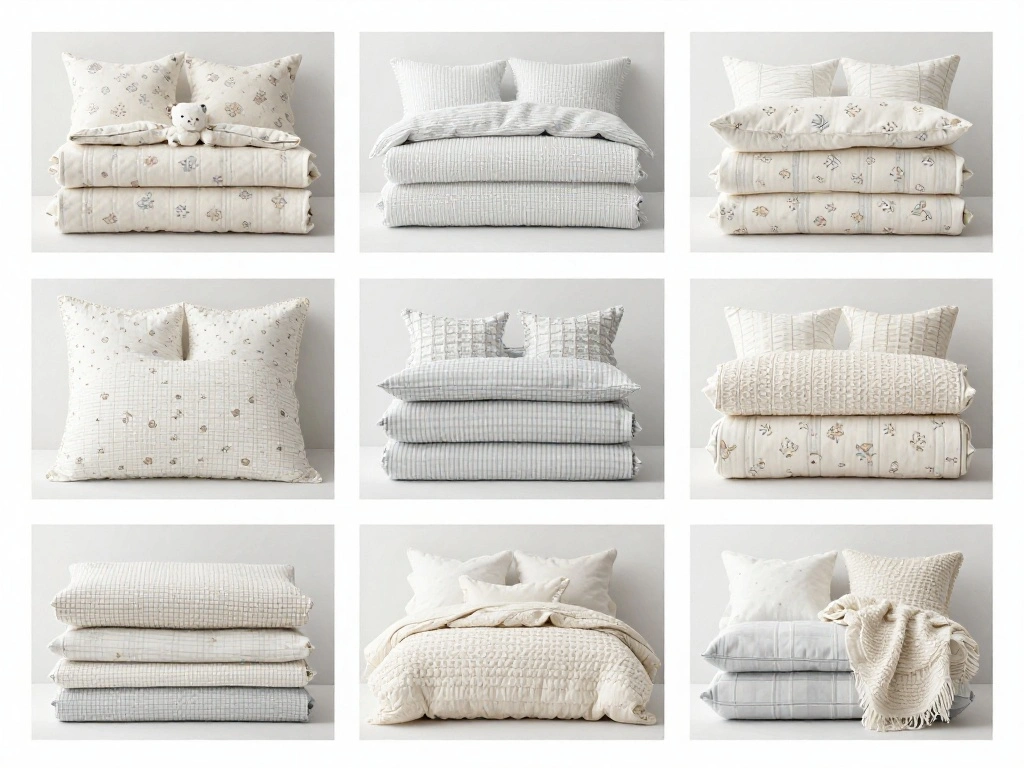
Patterns and textures add dimension to your nursery. Follow these steps:
- Select fabrics (like curtains, bedding, and rugs) in your chosen color scheme.
- Mix patterns like stripes, polka dots, or florals that incorporate your colors.
- Ensure that patterns are not too busy to maintain a peaceful environment.
Warning: Avoid overwhelming patterns that can distract from the soothing atmosphere. Why this matters: Textures and patterns enrich the nursery experience, making it visually stimulating yet comfortable.
Time estimate for this step: 30 minutes.
Recommended Products

4 PIECE CRIB BEDDING SET INCLUDES: Crib Comforter (45in. x 36in.), Fitted Crib Sheet (52in. x 28in. x 8in. Pocket), Crib Skirt (52in. x 28in. x 15in. Drop) and Diaper stacker (15in. x 20in. x 6in.). An infant crib set including all the baby essentials is a great value compared to purchasing pieces separately. This baby crib set is made of soft cotton & linen fabric and features the minimalist color palette of taupe, beige and off white to bring your gender neutral boho themed baby room together.

🌷 BEAUTIFUL DESIGN, UNBELIEVABLY SOFT MATERIAL – This beautiful custom pattern is printed on the most luxuriously premium organic cotton blend. Thicker elastic and deeper pockets ensure that our bassinet mattress sheets will NOT slip off the mattress pad. You’ll feel the soft, yet stretchy and silky material as you pull the sheets and snug, creating a safe and soothing space for your baby to sleep.

[ Material ]: Made in eco-friendly polyester and made by our Certified Factory. Offer your kids best quality. Our comforter is made with 90 GSM microfiber outer fabric and ultra soft 320GSM microfiber inner fill. Soft, Durable, breathable and easy care. Help your Baby sleep all year around.
Step 4: Incorporate Patterns and Textures
Editor’s Choice

The Peanutshell 3 Piece Celestial Serenity Baby Crib Bedding Set Boy Nur…
Amazon$44.99
Boho Rainbow Sheer Curtain with Colorful Pom Pom Voile Drapes Light Filt…
Amazon$31.56
Ophanie Rugs for Living Room, Upgrade Non-Slip Fluffy Soft 5×8 Area Rug,…
Amazon$29.99Step 5: Plan for Lighting
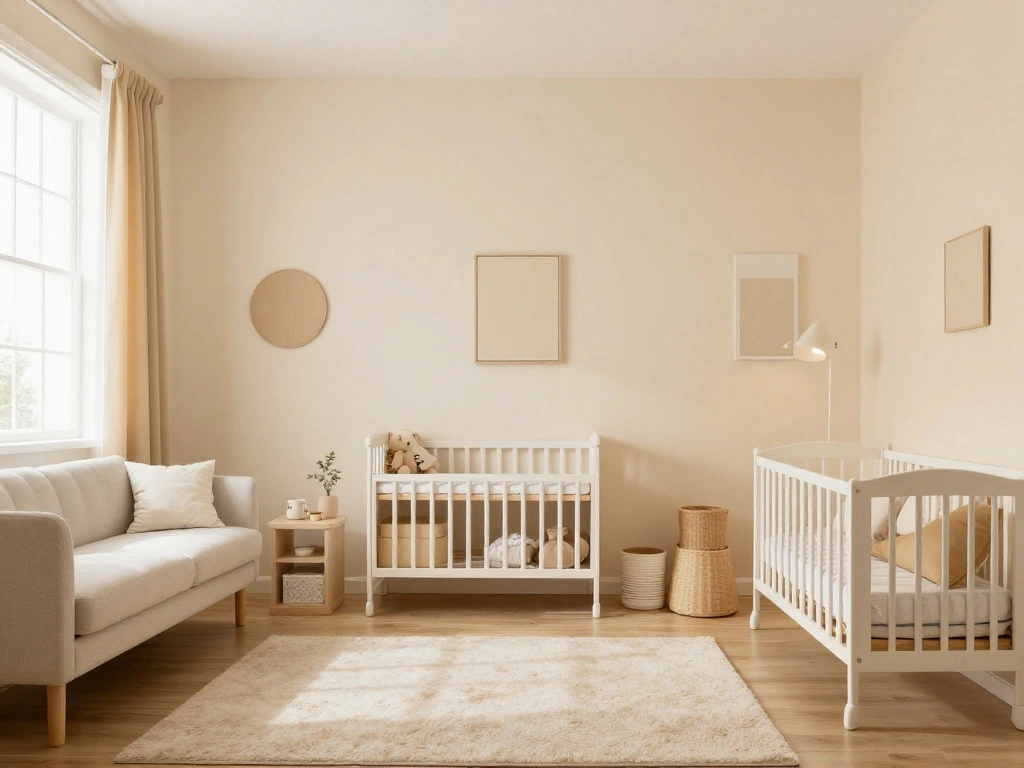
Lighting dramatically affects how colors appear in your nursery. Here’s what to do:
- Assess the natural light available in the room.
- Choose warm or cool light bulbs depending on the mood you want to create.
- Consider adding lamps or fairy lights for soft lighting options.
Pro Tip: Test how your chosen colors appear under different lighting conditions before finalizing your choices. Why this matters: Proper lighting ensures that your color scheme looks its best at all times, creating a cozy atmosphere.
Time estimate for this step: 30 minutes.
Recommended Products
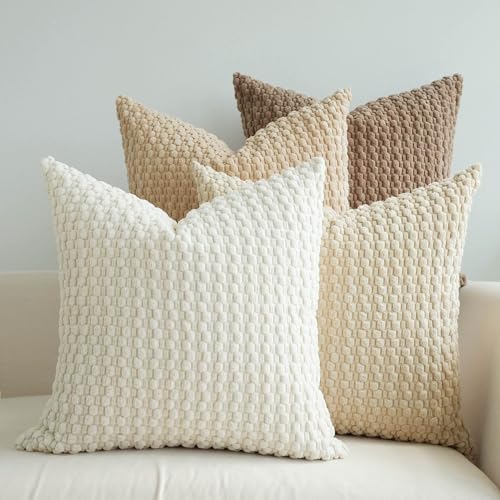
HANDPICKED FABRIC: Made of ultra-soft fabric, bringing you cozy feeling with soft tactile and a fun, stylish look to a couch, lounge chair, or bed

【Hidden zipper】:With a hidden zipper,it’s easy to put your insert in the pillow case and get a beautiful over appearance.

SIZE: 16x16 Inch, 40x40 cm. Please allow 1 to 2cm deviation because of hand-cutting and sewing
Step 5: Plan for Lighting
Editor’s Choice
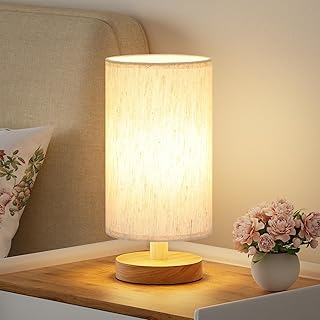
Fenmzee Small Table Lamp for Bedroom – Inline Control, Bedside Lamp with…
Amazon$11.99
6 Pack Fairy Lights Battery Operated – 7ft 20 Led Twinkle Lights 3 Modes…
Amazon$3.99
Linkind A19 LED Light Bulbs Dimmable, 60W Equivalent, Energy Efficient 9…
Amazon$12.23Step 6: Gather Feedback

Before making final decisions, gather input from others. Follow these steps:
- Share your color choices and patterns with friends or family.
- Ask for opinions on how the colors make them feel.
- Consider their feedback for any last-minute adjustments.
Warning: Don’t let too many opinions overwhelm you; stay true to your vision. Why this matters: Feedback can provide fresh perspectives and help you finalize a color scheme that feels right for you.
Time estimate for this step: 30 minutes.
Recommended Products
![Crayola Washable Kids Paint Set (12ct), School Supplies for Kids, Classic and Glitter Paint, Classroom Essentials, Toddler Painting Kit, Ages 3+ [Amazon Exclusive]](https://m.media-amazon.com/images/I/51KPJWkf12L._SL500_.jpg)
CRAYOLA PAINT SET FOR KIDS: This Amazon Exclusive collection features Crayola Washable Paint for kids in 6 Classic Colors and 6 Glitter Paint Colors.
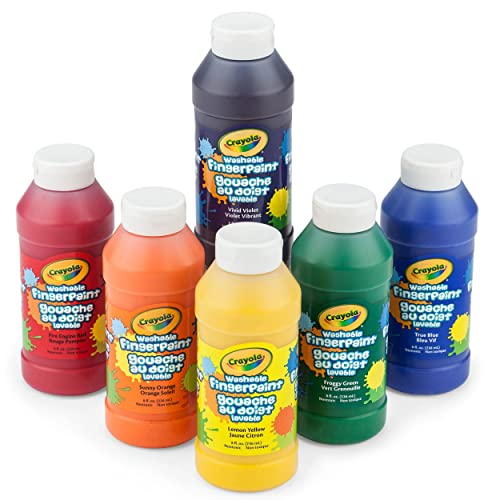
CRAYOLA FINGER PAINTS: This set of washable finger paints for kids includes 8oz bottles in six lively shades: Blue, Yellow, Orange, Green, Violet, and Red.

CRAYOLA WATERCOLORS: This kids paint set includes 8 Crayola watercolors In classic colors, as well as a paintbrush to dive right in!
Step 6: Gather Feedback
Editor’s Choice

FOLLOWIN 60-Count Instant Lead Paint Test Kit — 30-Second Home Screen …
Amazon$16.95
Lamare Vision Board Kit – Premium Dream Board Supplies – Complete Vi…
Amazon$29.95
The Pocket Complete Color Harmony: 1,500 Plus Color Palettes for Designe…
Amazon$13.42Step 7: Execute Your Design Plan

Now it’s time to bring your vision to life. Follow these steps:
- Prepare the nursery by clearing furniture and taping edges.
- Apply the base color, allowing it to dry fully before adding accents.
- Incorporate fabrics and accessories once the paint is dry.
Pro Tip: Take breaks during the painting process to avoid fatigue. Why this matters: Following through with your plan ensures that all your efforts come together, creating a beautiful, cohesive nursery.
Time estimate for this step: 1-2 hours.
Recommended Products

Daisy Wall Decor Set of 3: what you will receive are 3 pieces of boho nursery decor in different sizes, designed in a unified daisy patterns in the theme of boho style; Enough quantities and various sizes can basically meet your interior decoration needs and satisfy your personal preferences

SOFT AGAINST BABY'S SKIN: Crafted with 100% cotton sateen exterior, Crane Baby quilted changing pad covers delivers a smooth, gentle surface your baby will feel during every diaper change

100% COTTON SATEEN EXTERIOR: Our Willow batik changing pad covers features a cotton sateen exterior, providing a soft and breathable diaper pad cover for baby, so they stay warm during diaper changes
Step 7: Execute Your Design Plan
Editor’s Choice

Canvas Painters Drop Cloth (Size 9 x 12 Feet – Pack of 2) – Pure Cotton …
Amazon$36.99
4 Rolls Premium Painters Tape, Blue Tape, Masking Tape, Paint Tape for M…
Amazon$5.99
Painting Foam Brush Roller Sponge for Kid Mini Paint Brushes DIY Art Cra…
Amazon$6.99Pro Tips
- Test Before You Commit: Always test paint colors on the wall before making a final decision.
- Keep it Simple: Limit your palette to 3-4 colors to avoid visual chaos.
- Embrace Nature: Incorporate natural elements like wood or plants for added warmth.
- Think Long-Term: Choose colors that can grow with your child over the years.
- Use Accessories: Integrate color through accessories for flexibility in updates.
Pro Tips
Editor’s Choice

NIRMAN Acacia Wood Bird Statues Set Home Décor Bird Sculpture for Livin…
Amazon$9.99
JimKing Creative Color Wheel, Paint Mixing Learning Guide, Art Class Tea…
Amazon$4.99
Magicfly 15 Pcs Chalk Furniture Paint Set, 9 Colors Ultra Matte Finish A…
Amazon$17.57Common Mistakes to Avoid
Warning: Here are some common pitfalls to avoid:
- Choosing overly bright colors that can be overwhelming.
- Neglecting to test colors in different lighting conditions.
- Failing to consider the size of the room, which can impact color perception.
To avoid these mistakes, always test colors, consider the room’s natural light, and remember that lighter shades can make a small space feel larger.
Common Mistakes to Avoid
Editor’s Choice
20 Sheets Painters Color Diary for 480 Colors Loose Leaf Color Swatch No…
Amazon$13.99
JimKing Creative Color Wheel, Paint Mixing Learning Guide, Art Class Tea…
Amazon$4.99Troubleshooting Section
Problem: Colors look different on the wall than on the swatch.
Solution: Test multiple samples on the wall and observe them in different lighting throughout the day.
Problem: The nursery feels too dark.
Solution: Lighten up with brighter accents or add reflective surfaces like mirrors.
Problem: Patterns clash rather than complement.
Solution: Scale back on one of the patterns or choose a simpler design that ties the colors together.
Troubleshooting Section
Editor’s Choice

PATIKIL 3D Acrylic Alphabet Mirror Wall Stickers Letter A Self-Adhesive …
Amazon$8.59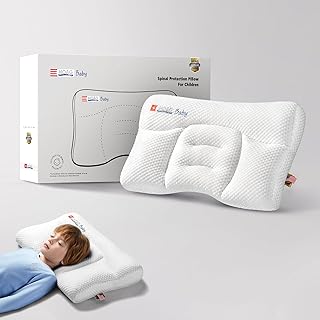
Toddler Pillow, Breathable & Cozy Machine Washable Kids Pillow, 21.6×13….
Amazon$41.99
Mighty Board Minis Polystyrene Paint Color Test Panels, 12″ x 9″, Set of…
Amazon$17.25Variations/Alternative Methods
Here are a few other approaches you can consider:
- Monochromatic Scheme: Use varying shades of a single color for a calming effect.
- Accent Wall: Paint one wall a bold color while keeping others neutral.
- Textured Finishes: Experiment with textured paint or wallpaper to add interest without multiple colors.
Choose a method based on your comfort level and the overall style you desire.
Variations/Alternative Methods
Editor’s Choice
20 Sheets Painters Color Diary for 480 Colors Loose Leaf Color Swatch No…
Amazon$13.99
6 Pack 14” Modern Herringbone Geometric Brick Hexagon Boho Lines Wall S…
Amazon$9.99
Haimin Grasscloth Textured Wallpaper 24in X 393in Fabric Contact Paper W…
Amazon$39.99FAQs
- What if I don’t have enough natural light? Opt for lighter colors to brighten the space and use warm artificial lights.
- How long should I wait to paint after applying primer? Typically, allow at least 2-4 hours for primer to dry completely.
- Is it safe to use certain paints in a nursery? Always choose non-toxic, low-VOC paints for safety.
FAQs
Editor’s Choice

Rust-Oleum 334019 Painter’s Touch 2X Ultra Cover Primer Spray, 12 oz, Fl…
Amazon$6.69
Sylvania ECO LED Light Bulb, A19 60W Equivalent, Efficient 9W, 7 Year, 7…
Amazon$10.12
Baby Hand and Footprint Ink with Sponge Head, Baby Safe Paint, 1.69 fl o…
Amazon$8.99Conclusion
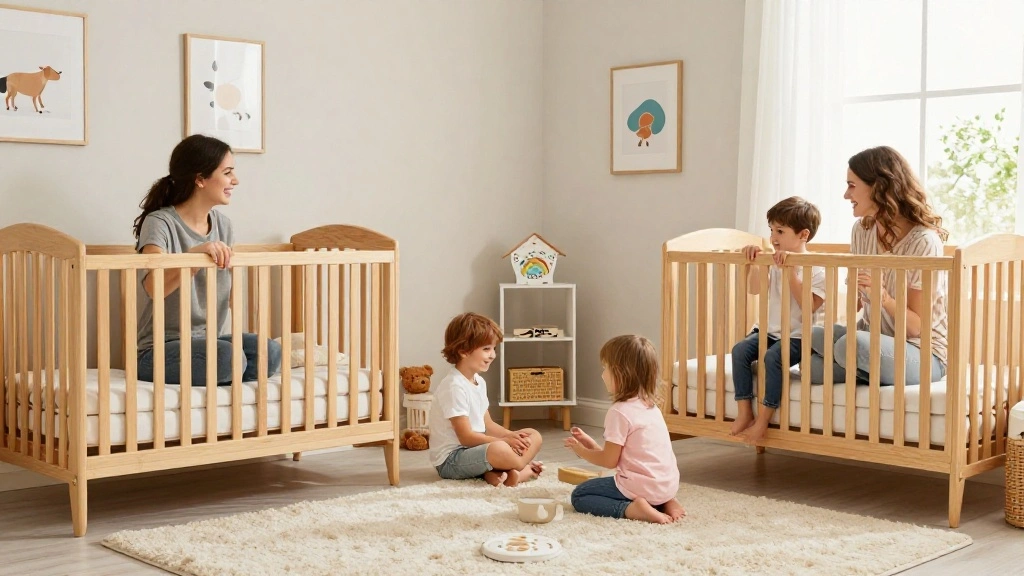
Congratulations on making it through the guide! You now have the tools to create a beautifully designed, gender-neutral nursery that reflects your personal style. Remember, the colors you choose not only create a welcoming environment for your child but also represent your creativity.
As you proceed, consider adding personal touches through artwork and accessories. Explore related resources for inspiration and enjoy your journey in designing a nursery that will be cherished for years to come!

I've spent years obsessing over the details that make a house feel like a home — from the perfect bedding layers to a thoughtfully styled coffee corner. My focus is on modern, aesthetic home decor ideas that are beautiful, trend-aware, and actually achievable. Great style shouldn't require a big budget — just the right inspiration.
Follow on Facebook