
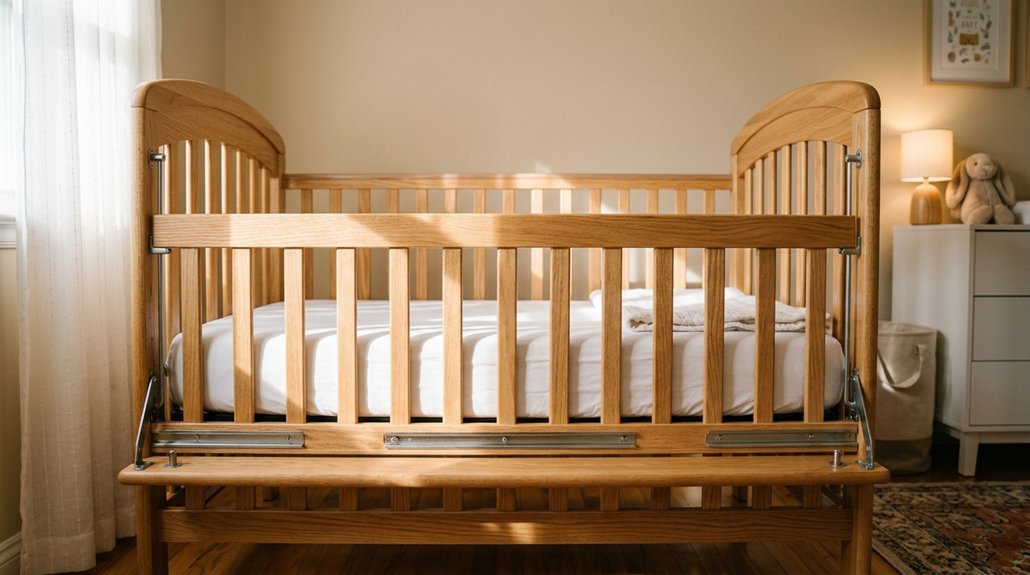


The mattress in your child’s crib shouldn’t move, but one side might, and that’s where danger sleeps.
You’ll spot the warning sign when a single rail slides up, down, or tilts on plastic tracks while three sides stay bolted tight.
Check the corners for metal latches, levers, or thumb screws that let that rail detach.
If your crib was built before 2011, assume it’s drop-side until you prove otherwise, since 32 infant deaths led to a ban that year.
You need to know exactly what you’re looking for before tonight.
Is Your Crib a Drop-Side Model? How to Tell in 30 Seconds
Most cribs look similar at first glance, but you’ll spot a drop-side model quickly once you know what to check. You’re looking for one side that drops down by sliding up, sliding down, or lowering on its own, while the other three sides stay put. Even a middle section that moves counts as a drop-side crib.
Run your hands along the rail, and you’ll feel a latch or hardware system securing it. When that side’s down, check for any gap where the moving rail meets the frame. If you see or feel a space, you’ve got a drop-side crib.
Make sure the movement goes downward, not just a panel you can pop out. If the crib was made before 2011, assume it’s a drop-side model until you prove otherwise. Don’t trust “looks fine.” Worn hardware creates the same deadly gaps.
Recommended Products

Product specification:Crib Screws Replacement Set Of M6 x15mm/20mm/30mm/40mm/50mm/60mm/70mm/80mm;8 sizes 32pcs Furniture Bolts;Threaded Hole Diameter 6 mm/ 0.24";with M6 Barrel Nuts--28pcs;M6*30mm Dowel Pins--10pcs;1pcs M6 Wrenches;

【♚♚】Material: Metal;【♚♚】Quantity: 100pcs;
Where to Find Drop-Side Hardware on Your Crib
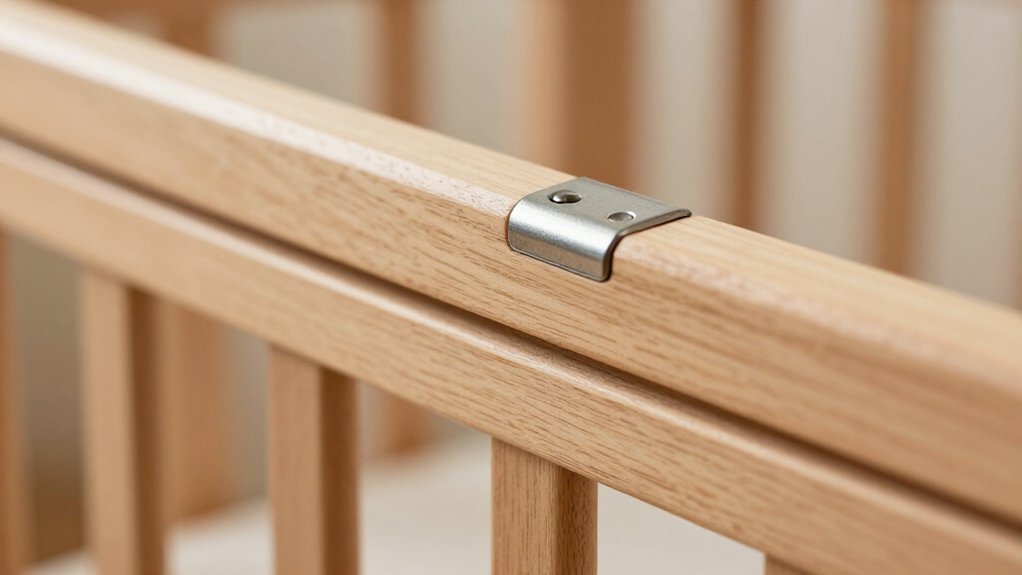
You’ll find drop-side hardware where the moving rail meets the crib’s four corners, so start by checking those joints for brackets, slides, and latches. Look for the sliding tracks, spring pins, and corner retainers that let the side move up and down, and note whether any plastic or metal pieces look cracked, bent, or loose.
If you’re missing the manual, search the crib frame for a label with the model number and date, since that’ll help you track down exactly which parts your crib needs.
Recommended Products
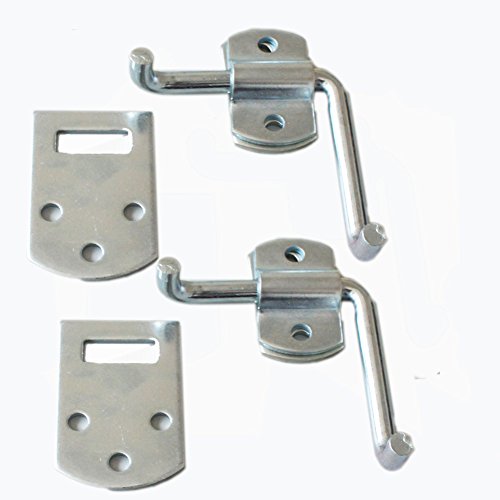
Quanity: 2 Sets, each set contains 4 pieces (corner plate, curved plate, flat plate and latch handle)

VERSATILE CORNER LATCH SET: Plain corner security latch set designed for flat surface fastening, making it ideal for stake bodies, trailers, truck bodies, gates, and other applications requiring a dependable mechanical latch solution.

Wood Side Stake Corner Latch Bracket Set: The corner security latch are hardware brackets used for fastening flat surfaces, and can be used in variety of applications including trucks, trailers, gates, and outdoor sheds/tool sheds ect
Hardware Location Basics
Because drop-side cribs move up and down, the hardware isn’t concealed; it’s right at the corners where the sliding rail connects with the fixed frame. You’ll find drop-side hardware securing the sliding panel at each corner, where latches and guide mechanisms let the side travel up and down.
Check the left and right corner assemblies for latch plates, pins, or locking brackets. These components keep the side flush with the mattress when latched.
Look for rear hinge brackets or guide tracks that govern the slide. These parts ensure the side lines up at the top and bottom positions.
Search for stops or alignment tabs near where the side meets the upper rail. These contact points prevent mattress gaps.
If you spot missing, broken, deformed, loose, or worn corner hardware, assume the system is unreliable. Hardware failure can lead to detachment and hazardous entrapment gaps.
Drop-Side Mechanism Parts
If you’re trying to spot drop-side hardware, start with the moving rail itself, since that’s where the whole system lives. Look at each corner of this rail for brackets, plastic or metal latch parts, or any immobilizing pieces meant to lock the side in place. Drop-Side Cribs rely on these corner mechanisms to slide up and down, so you’ll find the track or latch system right there.
Check if any side creates a gap between the mattress and rail when moved or unlatched, as this shows how the hardware fails. Look for wear, cracks, or loose components at these corner points.
Find the instruction label or model number, then match it to the manufacturer’s diagram to identify the exact hardware layout for your crib.
How Drop-Side Cribs Fail: Gaps, Collapse, and Strangulation Risk
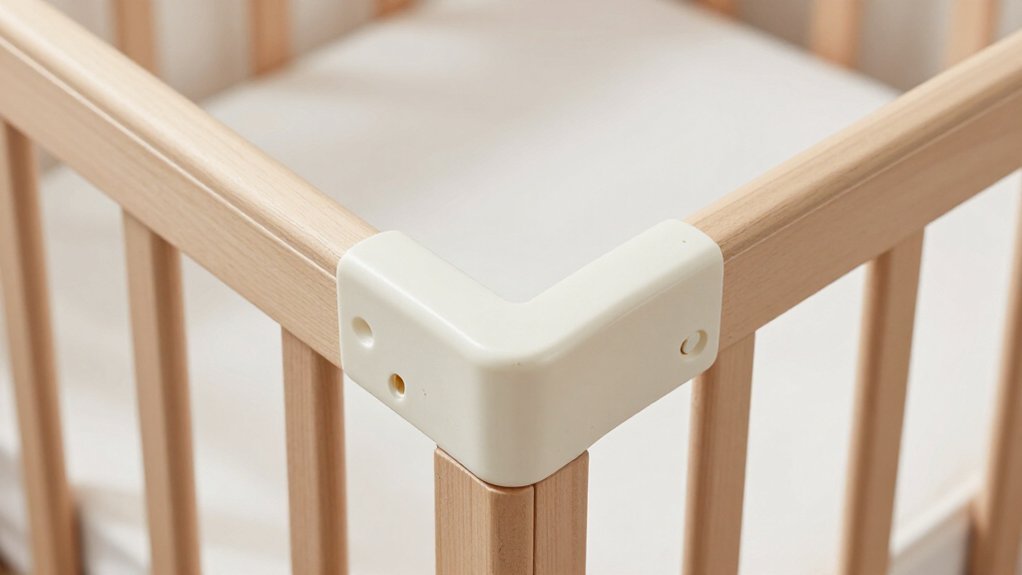
A drop-side crib fails when the rail’s hardware breaks or bends, letting the side detach at one or more corners and leaving a gap between the mattress and frame. You can see how a drop side crib turns dangerous fast.
That gap traps infants. CPSC staff found 32 suffocation and strangulation deaths from detached sides, plus hundreds more incidents.
A partially detached side forms a “V” shape near the upper corner. Your baby slips into that space between mattress and rail, and can’t get out.
Older cribs wear down worse. Screws loosen and fall out, plastic flexes and cracks, wood joints warp or shrink. Each time you take apart and reassemble, you’re weakening the frame.
If any side moves up and down, you’ve got unacceptable risk.
Recommended Products

Double Thickness Crib Rail Teething Guard, Designed for Crib Top Rail Only (Not Side Rails) Furniture Edge Protector - Compliant with Infant Safe Sleep Act

ONLY CRIB RAIL THAT FIRMLY ANCHORS TO BED FRAME WITH REINFORCED CLAMPS for 100% safety. Cannot slip out of place like other crib rails.

Please note: The railings of our bed guardrail are short at the top and long at the bottom. The middle tube of the top rod is shorter, and the middle tube of the bottom rod is longer. Please place the long intermediate tube in the bottom tube section during installation
Why the CPSC Banned Drop-Side Cribs in 2011
The CPSC didn’t wait for more tragedies. The U.S. Consumer Product Safety Commission (CPSC) banned drop-side cribs in 2011 after years of reports showed these cribs killed 32 infants through suffocation and strangulation.
You should know that CPSC staff found hundreds more incidents beyond those deaths. The hardware breaks or deforms with normal use, especially as cribs age, and the side detaches from corners. This creates dangerous gaps between mattress and crib frame.
Sometimes the detached side forms a V shape that traps babies. Screws loosen, parts warp or shrink, and gaps worsen over time. The CPSC warned that repeated assembly and wear increase failure risk. This design flaw made drop-side cribs inherently dangerous, so the Safety Commission acted to protect infants.
Recommended Products

【CORNER PROTECTOR BABY】Thickened design baby Proof Corner Guards, Gioriches corner protectors are all made of high-quality PVC material, thick and soft, strong impact resistance, can well wrap sharp baby furniture, which is totally safe for baby.(Tips:NOT FOR CHILDREN UNDER 3 YEAR)

Premium PVC Material: Made of durable yet flexible transparent PVC, these corner guards withstand daily impacts without yellowing or cracking

BABY PROOFING ESSENTIALS: L-shape corner guards cushion sharp table and furniture edges, protecting toddlers and kids from bumps and bruises while they crawl, walk and play at home
How to Safely Dispose of or Recycle a Drop-Side Crib
Once you’ve confirmed you’ve got a drop-side crib, you’ll need to know your disposal options, check if you can repurpose parts safely, and follow the right compliance steps so no one else uses it. Start by looking up your local bulky-item pickup rules, and check whether your crib’s model was recalled before you do anything else.
If you’re feeling creative, you can turn the non-hazardous wood slats into garden trellises or storage racks, but never reuse the side rails, corners, or any hardware that could fail.
Recommended Products
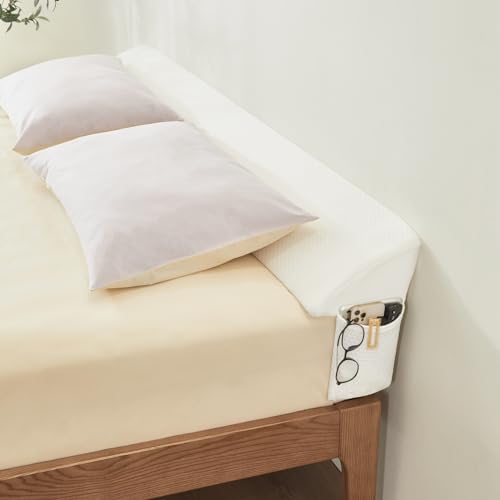
Close The Gap: Our bed gap filler queen is not only fills the gap between the headboard and mattress but it also solves the problem about items and pillows disappearing behind the bed. Close gap ranging from 0 to 8 inches. The best solution to stop losing regular bed pillow during sleep

Fill Bed Gaps, Say Goodbye to Falling Items: The Vekkia Bed Wedge Pillow is specially designed to fill the gap between your mattress and headboard, fitting gaps from 0 to 6 inches. It effectively prevents pillows, pets, and small items from slipping through, letting you enjoy uninterrupted comfort every night
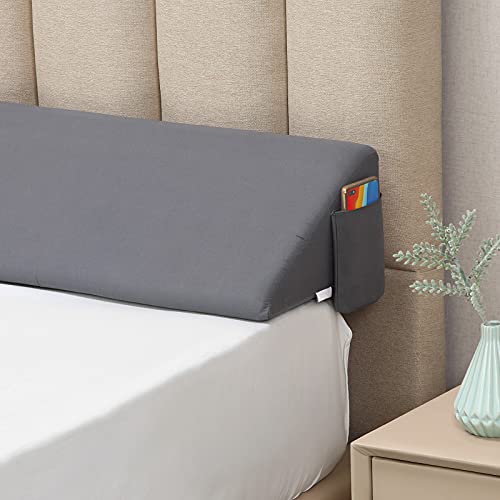
Fill Bed Gaps, Say Goodbye to Falling Items: The Vekkia Bed Wedge Pillow is specially designed to fill the gap between your mattress and headboard, fitting gaps from 0 to 6 inches. It effectively prevents pillows, pets, and small items from slipping through, letting you enjoy uninterrupted comfort every night
Disposal Options Overview
If you’ve confirmed your crib has a drop-side rail, your next step is getting it out of your home without putting another family at risk. The drop-side design has been linked to at least 32 suffocation and strangulation deaths in CPSC reviews, so repairs are not an option.
Keep all parts together in a box or bag labeled “unsafe crib (drop-side).” This stops others from finding and reusing a dangerous product.
Contact your local waste service for bulky-item pickup instructions. If programs accept wood or metal furniture, use those, but avoid donation: older drop-side cribs develop loose screws and deformed hardware over time.
When dismantling for disposal, separate wood from metal where required. Keep every rail and latch out of circulation, since missing parts signal serious hazards.
Creative Repurposing Ideas
A drop-side crib can still serve your home if you’re willing to take it apart, but you’ll need to remove every rail, latch, and bolt that made the side move. Once you’ve stripped out that dangerous sliding side, you’ll have solid wood slats and frame pieces left over.
You can turn these into a magazine rack, a garden trellis for climbing vines, or a simple shoe organizer for your entryway. Metal bolts and brackets can go to scrap recycling, and clean wood can become craft material. Check your local rules for separating metal from wood.
Do not try to fix or convert the drop-side side to work again, and never give away parts that could rebuild the hazardous rail.
Safety Compliance Steps
Disposing of a drop-side crib starts with confirming you’ve got the right type. Check if any side slides up and down, since CPSC-linked failures can detach and create gaps that allow entrapment, suffocation, or strangulation.
Do not attempt to repair or modify drop-side mechanisms, hardware, or latches. If it moves up and down, disposal is safer than fixing it.
Before disposing, inspect the crib for missing, broken, loose, or deformed drop-side hardware. Make sure no one accidentally reuses it; remove distinctive parts or label it “DISPOSE.”
Dismantle the crib only after disabling reuse. Separate the drop-side rail and latch components, then follow local rules for wood, metal, or foam recycling. Use curbside bulk pickup if available.
If you’re unsure about recalls, search the CPSC database, then dispose of the drop-side crib regardless of condition.
What Crib Type to Use Instead of a Drop-Side Model
Switch to a crib with four fixed sides that don’t move, drop, or slide. Older cribs with drop rails were banned in 2011 because they created dangerous gaps, so you’ll want to avoid them entirely.
Choose a crib with four fixed sides and no moving parts, which reduces the chance of detachments that form entrapment spaces. When you shop for a replacement, confirm it meets current safety standards. Cribs manufactured after June 28, 2011 must meet stricter requirements, so check the date.
For infants who can’t push up to hands and knees, you can use a bassinet or play yard designed for safe sleep. Keep loose bedding, pillows, thick quilts, and comforters out of the sleep space.
Recommended Products

Products Hardware Kit: This set includes M6 crib screws in 4 lengths (20mm, 40mm, 60mm, 80mm) along with matching barrel nuts and wrenches for assembling cribs, bunk beds, headboards, and other furniture.
Product Packaging: 20 * Bolts, 20 * M6 Barrel Nuts , with one clear plastic storage box;

I've spent years obsessing over the details that make a house feel like a home — from the perfect bedding layers to a thoughtfully styled coffee corner. My focus is on modern, aesthetic home decor ideas that are beautiful, trend-aware, and actually achievable. Great style shouldn't require a big budget — just the right inspiration.
Follow on Facebook