
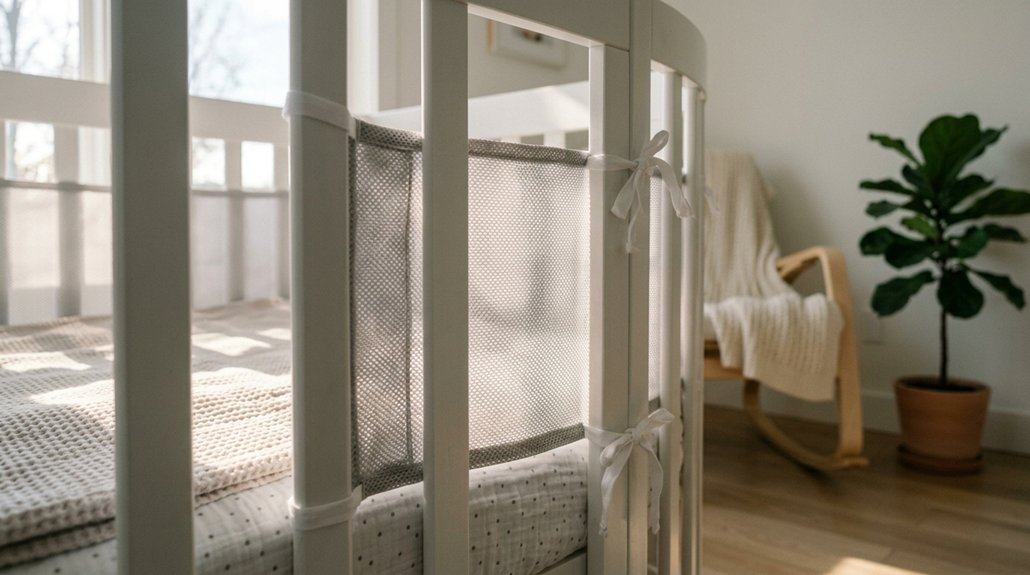


You walk into a nursery, and there it sits: a mesh crib bumper, promising safety through tiny holes. But those holes, often 2-3 millimeters wide, do not erase the danger.
You press your hand against the fabric, and you feel it: a solid surface, not open air. The American Academy of Pediatrics sees this, and they say no bumpers at all. What will you do with that information?
What Mesh Crib Bumpers Are and Why They Exist
If you’ve walked through a baby store lately, you’ve probably seen mesh crib liners sitting right next to blankets and swaddles. Manufacturers developed these mesh crib bumpers as a “breathable” option after doctors started warning against padded bumpers in 1996. The idea was simple: create something thinner that lets air pass through, so your baby’s face won’t press against thick padding during sleep.
You might think you’re choosing safe sleep for babies when you pick mesh over padding. The mesh material, usually woven polyester or nylon, covers the slats inside the crib. It’s meant to stop limbs from poking through while keeping the sides open to airflow.
The U.S. Safe Sleep for Babies Act banned padded bumpers in 2021, but mesh crib liners stayed legal because regulators put them in a different category.
Recommended Products
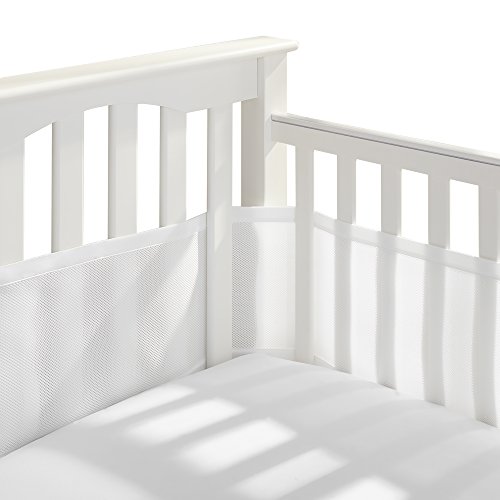
3MM CLASSIC MESH WITH 85% LIGHT BLOCKING RATING: Constructed from 3 mm mesh with A.C.T. Air Channel Technology for unrestricted airflow. 100% polyester. 1" (2.54 cm) trim on top and bottom. Machine washable.
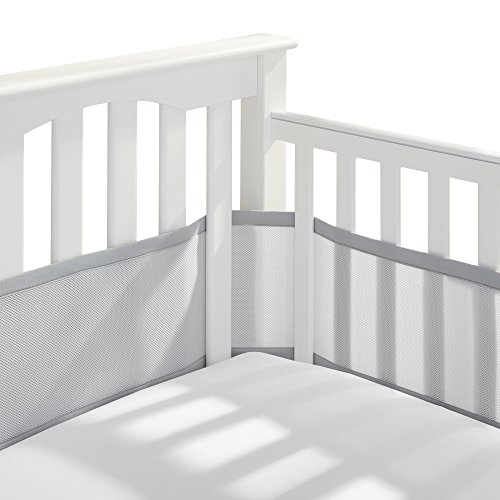
3MM CLASSIC MESH WITH 85% LIGHT BLOCKING RATING: Constructed from 3 mm mesh with A.C.T. Air Channel Technology for unrestricted airflow. 100% polyester. 1" (2.54 cm) trim on top and bottom. Machine washable.
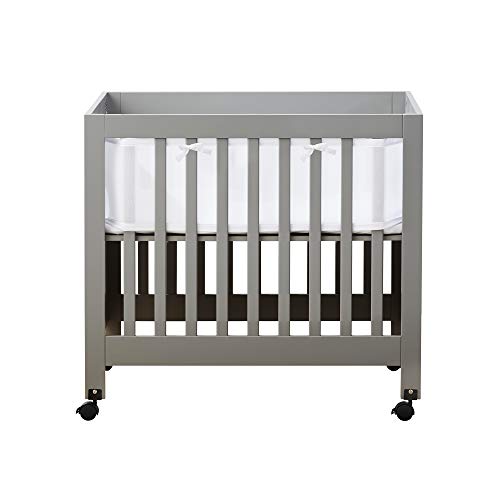
MINI CRIB MATTRESS MUST BE 38" x 24" (97 CM x 61 CM) TO FIT: Install long panel 11" x 127" (28 cm x 323 cm) to cover 4 sides. Fit questions/help? Contact manufacturer. NOTE: NOT FOR FULL-SIZE CRIBS.
The “Breathable” Safety Myth: What Studies Found
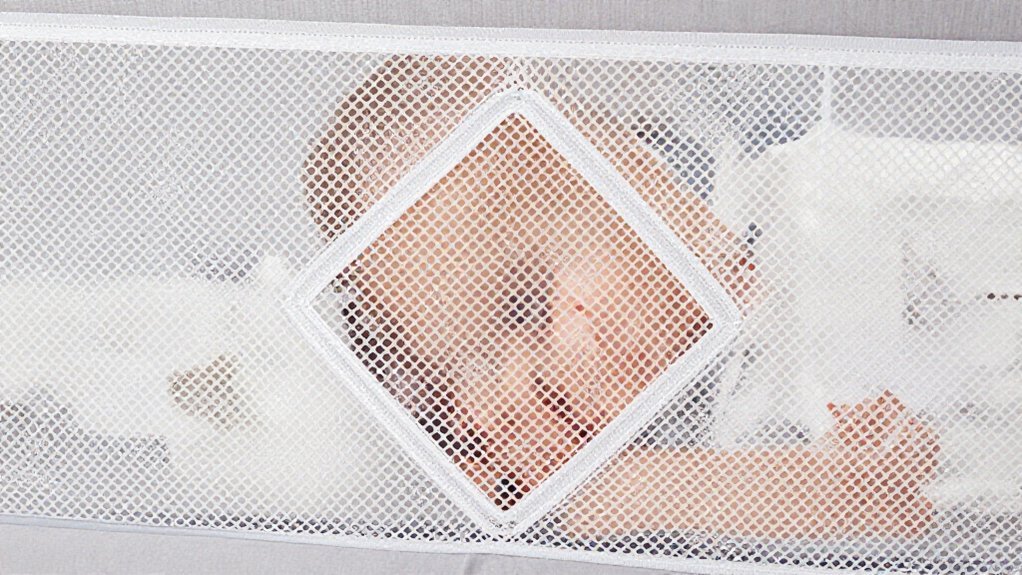
You might think mesh liners keep your baby safe because air passes through, but a large survey of 1,328 mothers found that face-covering incidents still happened with these “breathable” products. The study showed that mesh liners did not cut climb-out or fall risks compared to having no bumper at all, and they failed to reduce head-hit injuries unlike padded bumpers.
When you weigh the trade-offs, slat-entrapment dropped with mesh, but that single benefit does not make up for the other dangers that remain.
Recommended Products
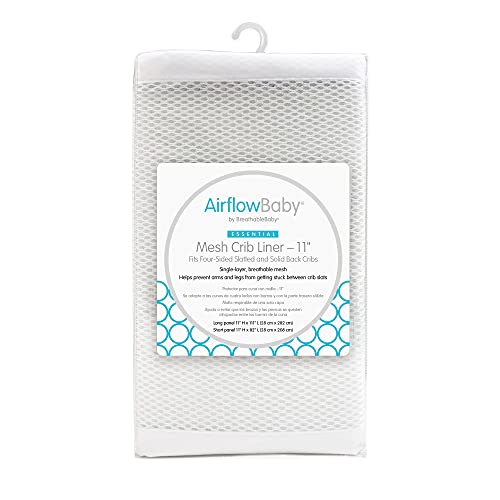
AIRFLOW MESH: Made from airflow breathable mesh, without any padding to restrict airflow; Our carefully selected airflow mesh is highly permeable
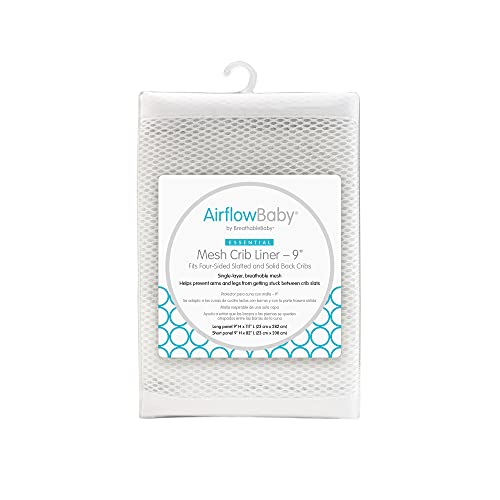
2MM AIRFLOW MESH — Made with lightweight 2mm Airflow Mesh designed to allow air to pass through, without thick padding. A breathable mesh crib liner option for standard slatted cribs.

3MM CLASSIC MESH WITH 85% LIGHT BLOCKING RATING: Constructed from 3 mm mesh with A.C.T. Air Channel Technology for unrestricted airflow. 100% polyester. 1" (2.54 cm) trim on top and bottom. Machine washable.
Study Findings Comparison
Although mesh crib bumpers are marketed as “breathable” alternatives to padded bumpers, research comparing actual use tells a more complicated story. You’re looking at a study of 1,328 mothers, where babies with padded crib bumpers had about 3.5 times higher odds of face-covering incidents than those with a mesh crib liner. That sounds like a win for mesh, but you need to look closer.
The mesh crib liner still showed injury patterns tied to risk, not safety elimination. For hitting their head, mesh liners showed no real advantage versus no barrier. They did cut slat-entrapment odds, but climb-out and fall risks stayed the same. The American Academy of Pediatrics doesn’t endorse either option, and this data shows you why.
Risk Trade-off Analysis
Those study numbers point to a real problem with how “breathable” mesh gets sold to parents. You see a product marketed as safer, yet the risk of suffocation drops only slightly compared to padded crib bumpers. For face-covered incidents, mesh liners show lower adjusted odds, but they don’t eliminate danger entirely.
You might choose breathable mesh to protect your baby, yet the same study finds no clear advantage for hit-head injuries. Slat-entrapment risk decreases, but climb-out and fall risks stay unchanged. You’re trading one concern for others that marketing rarely mentions.
The data shows parents often pick crib bumpers or mesh liners to prevent minor bumps, not suffocation. However, the injury pattern includes head and entrapment issues too. Counselors now urge you to weigh multiple risks, not just the one “breathable” labels highlight.
Face-Covering Risks: Why Mesh Crib Bumpers Still Suffocate

You might think mesh liners are safer, but one study found traditional bumpers had 3.5 times higher odds of face-covering compared to mesh, meaning both still pose real risks.
Even with breathable fabric, babies can press their mouths against the mesh and struggle to breathe if they can’t move their heads away. These numbers matter because they show you’re not fully avoiding suffocation danger by choosing mesh over padding.
Recommended Products

MINI CRIB MATTRESS MUST BE 38" x 24" (97 CM x 61 CM) TO FIT: Install long panel 11" x 127" (28 cm x 323 cm) to cover 4 sides. Fit questions/help? Contact manufacturer. NOTE: NOT FOR FULL-SIZE CRIBS.

3MM CLASSIC MESH WITH 85% LIGHT BLOCKING RATING: Constructed from 3 mm mesh with A.C.T. Air Channel Technology for unrestricted airflow. 100% polyester. 1" (2.54 cm) trim on top and bottom. Machine washable.
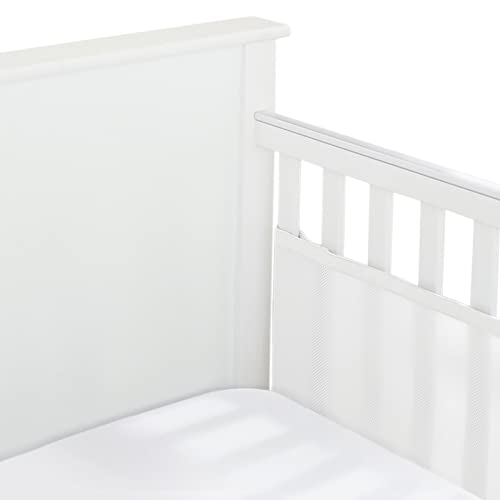
3MM CLASSIC MESH WITH 85% LIGHT BLOCKING RATING: Constructed from 3 mm mesh with A.C.T. Air Channel Technology for unrestricted airflow. 100% polyester. 1" (2.54 cm) trim on top and bottom. Machine washable.
Adjusted Odds Comparison
How much safer is mesh, really, when an infant’s face ends up pressed against it? The adjusted odds comparison gives you a number to weigh: crib bumpers carry roughly 3.5 times the adjusted odds of face-covering incidents versus mesh liners, with a confidence interval of 1.26 to 9.81. That gap suggests mesh liners see fewer reports, but it does not erase the risk entirely.
You should note that crib bumpers involved pressing, wedging between bumper and mattress or slats, and three infants needing doctor or ER care. Mesh liners saw six face-covered incidents, yet none included breathing trouble, color change, wedging, or medical visits.
Severity may differ, but face-covering still happens. Breathable fabric does not mean your baby can protect their airway.
Breathing Difficulty Reports
Although mesh liners showed fewer serious outcomes, you should not assume they are harmless. You still face real risks when you use any crib liner near your sleeping baby.
Mesh lets air pass, but your baby’s face can still press against it. Crib bumpers caused more face-covering with breathing trouble, wedging, and red or blue skin. No mesh cases caused breathing difficulty, yet face contact still happened.
You might think mesh prevents sudden infant death syndrome, but face-covering remains possible. The study found no breathing problems in mesh reports, yet you cannot ignore the risk.
You must weigh whether any liner belongs in your crib when safer sleep exists.
Do Mesh Bumpers Prevent Injuries? What the Data Shows
When you’re deciding whether mesh crib bumpers actually protect your baby, it helps to look at what parents reported in real-world use. In a survey of 1,328 mothers, those using mesh liners reported face-covered incidents less often than those using crib bumpers. The adjusted odds for face-covered risk were about 3.52 times higher for crib bumpers versus mesh liners.
For other injuries, mesh liners did not show significant differences compared with no barriers. About 37% of mothers reported slat-entrapment, and 38% reported hit-head incidents. Both crib bumpers and mesh liners were less likely than no barriers for slat-entrapment.
The data suggests mesh liners may reduce some specific injuries compared with padded crib bumpers, but they still carry measurable injury reports and do not eliminate key risks across all injury categories.
Recommended Products

#1 BRAND INDEPENDENTLY TESTED FOR SAFETY: From BreathableBaby, the original, patented breathable mesh liner with millions sold since 2002. Designed for crib styles sold in the North American marketplace and tested by a third party CPSC-accepted accredited lab to meet or exceed ASTM F1917 Standard Consumer Safety Performance Specification for Infant Bedding and Related Accessories. Never use a mesh liner that is not compliant with ASTM F1917. Non-compliant products may present safety hazards.

Fits All Bed Sizes: Our bed bumper rail measures 52 "L x 7 "W x 5 "H. Designed to help children transition smoothly to a larger bed, it fits sizes from youth beds to king-size beds and can also be used as a bed divider for co-sleeping. It is an ideal safety solution for toddlers, adults and seniors
Why Parents Choose Mesh Crib Bumpers Despite Warnings
Because you’re trying to keep your baby’s arms and legs from slipping through the crib slats, you might feel drawn to mesh bumpers. Many parents choose mesh crib liners because they’re marketed as breathable and snug-fitting, promising to solve limb entrapment without the bulk of traditional padding. You’re not alone in weighing these perceived benefits against official warnings.
Research shows three clear reasons parents keep using crib bumpers despite cautions:
- You worry more about minor injuries, like bruised limbs, than about rare but serious suffocation events.
- You’ve heard mesh products reduce “face-covered” incidents compared to padded bumpers, which feels like progress toward the safest crib setup.
- Marketing claims about breathability reassure you that you’ve found a middle-ground solution.
Public health messaging hasn’t fully changed this behavior, so mesh products remain popular.
Recommended Products

Sweet Jojo Designs + BreathableBaby Mesh Crib Liner Includes: (1) Long Panel Mesh Liner: 11in. x 111in. and (1) Short Panel Mesh Liner: 11in. x 82in. specifically designed for standard crib styles (such as solid back and 4-sided slatted style) sold in North America and incorporates BreathableBaby patented technology with our most popular designs. DOES NOT FIT and should never be used in cribs with attached changing tables, cradles, toddler beds, bassinets, portable/mini cribs or solid end cribs.

Includes: (1) Long Panel Mesh Liner: 11in. x 111in. and (1) Short Panel Mesh Liner: 11in. x 82in. specifically designed for standard crib styles (such as solid back and 4-sided slatted style) sold in North America. DOES NOT FIT and should never be used in cribs with attached changing tables, cradles, toddler beds, bassinets, portable/mini cribs or solid end cribs.
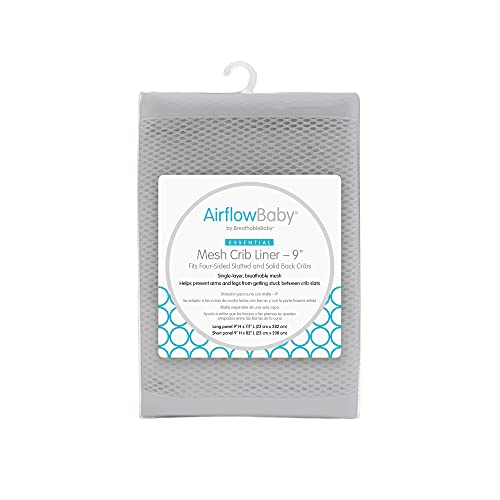
2MM AIRFLOW MESH — Made with lightweight 2mm Airflow Mesh designed to allow air to pass through, without thick padding. A breathable mesh crib liner option for parents looking for a simple alternative to traditional padded crib bumpers.
What Health Canada and the AAP Tell Parents
You need clear answers from major safety groups, and both the AAP and Health Canada give the same warning: skip all crib bumpers, even mesh ones. The AAP says no bumper of any kind should ever be in your baby’s sleep space, since infants can’t move away if they roll into it.
Health Canada adds that bumpers create risks you can’t see coming, like suffocation, entrapment, and falls.
Recommended Products

4MM DELUXE FISHNET MESH WITH 80% LIGHT BLOCKING RATING: Constructed from 4 mm mesh with A.C.T. Air Channel Technology for unrestricted airflow. 100% polyester exclusive of...
Official Safety Guidance
Although mesh crib bumpers are often marketed as a safer choice, both Health Canada and the American Academy of Pediatrics tell parents to skip them entirely. The AAP says no crib bumpers of any kind, not at any time, including breathable mesh. Your baby might not protect their airway if they roll into the bumper area.
Health Canada warns that soft bedding in cribs poses real dangers. You risk suffocation, entrapment, entanglement, and falls when bumpers are present.
The Safe Sleep for Babies Act shapes what you can buy in the United States. Here’s what you need to know:
- The law bans padded crib bumpers, but mesh liners may sit outside this ban.
- Survey data shows mesh liners cut slat-entrapment odds, yet head hits stay similar.
- Face-covered incidents run higher with padded bumpers than mesh.
Official guidance remains clear: keep your baby’s sleep space empty, skip all bumper products, and follow safe-sleep rules from the start.
Risk Warnings Overview
Health Canada and the AAP both warn against crib bumpers and mesh liners, and their reasons are straightforward. These barriers create suffocation risks when babies’ faces press against fabric, entrapment hazards when heads get caught, and fall dangers when infants climb out.
Research among 1,328 mothers showed face-covered incidents happened more often with traditional crib bumpers than mesh liners, though mesh did not remove all risk. Mesh liners did reduce some injuries compared to bare cribs, but concerns included head-hitting and other harms beyond suffocation.
The AAP stresses that “breathable mesh” remains unsafe because babies lack the ability to reposition if their airway becomes blocked. Both agencies call crib bumpers and liners unnecessary, instead recommending a bare crib for safe sleep.
Safer Alternatives to Mesh Crib Bumpers That Work
Since mesh crib bumpers still pose risks you’re trying to avoid, the safest approach is to skip barriers entirely and follow the American Academy of Pediatrics’ empty sleep space guidance. You place your baby on their back in a crib with only a fitted sheet, keeping the sleep environment free of blankets, pillows, and loose items that raise entanglement risks.
Skip the crib bumpers entirely and follow the AAP’s empty sleep space guidance for safest results.
If you’re worried about your baby getting cold, dress them in fitted pajamas plus a sleep sack. This wearable option adds warmth without loose bedding inside the crib.
For limb concerns, choose a crib with modern, close slat spacing that meets current safety rules instead of adding crib bumpers or liners. Studies show mothers using any barrier reported different injury patterns, so removing barriers works better than swapping to mesh.
- Use a sleep sack with leg containment as your baby grows more mobile.
- Select fitted pajamas layered under the sack for adjustable warmth.
- Verify your crib has up-to-date, narrow slat spacing to prevent limb entrapment.
Recommended Products

3MM CLASSIC MESH WITH 85% LIGHT BLOCKING RATING: Constructed from 3 mm mesh with A.C.T. Air Channel Technology for unrestricted airflow. 100% polyester. 1" (2.54 cm) trim on top and bottom. Machine washable.

3MM CLASSIC MESH WITH 85% LIGHT BLOCKING RATING: Constructed from 3 mm mesh with A.C.T. Air Channel Technology for unrestricted airflow. 100% polyester. 1" (2.54 cm) trim on top and bottom. Machine washable.
Are There Any Acceptable Uses for Mesh Liners?
Mesh crib liners don’t qualify as an acceptable safe option, even though some parents hope they’ll be gentler than padded bumpers.
You might think mesh crib bumpers offer a safer option, but they still pose real dangers. The Academy of Pediatrics (AAP) does not endorse them, and research shows why. Mothers have reported face-covering incidents with mesh liners, and injuries like slat-entrapment and head hits still occur. While mesh liners showed lower odds of some problems compared to padded bumpers, they did not eliminate overall hazard.
For climb-out and fall risks, mesh liners made no reliable difference. If you’re worried about limb entrapment, skip the liners entirely. Choose barrier-free sleep with a wearable sleep sack instead. This approach follows AAP guidance and removes the risks mesh products still carry.
Recommended Products

3MM CLASSIC MESH WITH 85% LIGHT BLOCKING RATING: Constructed from 3 mm mesh with A.C.T. Air Channel Technology for unrestricted airflow. 100% polyester. 1" (2.54 cm) trim on...
Mesh Crib Bumper Red Flags: Dangerous Features
Why should you look twice at a mesh bumper before putting it in your baby’s crib? You might think mesh means safe, but dangerous features still hide in plain sight.
- Loose or shifting fit: You can spot a hazard when the liner gaps, shifts, or detaches from the crib slats, letting arms, legs, or faces wedge between the liner and mattress.
- Face-covered risk: You can’t ignore that breathable mesh still presses against an infant’s face. Studies show crib bumpers had higher odds of face-covered incidents, and mesh liners caused them too.
- Climb-friendly design: You’ll create another danger if the mesh acts as a grip point for pulling up, leading to falls or head hits.
Watch for any product covering crib openings. Under safety rules, mesh that functions as a side barrier counts as crib bumpers, and that’s a red flag you shouldn’t dismiss.
Safe Sleep Without Mesh Crib Bumpers: A Complete Guide
You don’t need any bumper at all to keep your baby safe in the crib. The Academy of Pediatrics (AAP) recommends keeping the crib completely bare. Place your baby on their back on a firm, flat surface with no loose blankets, pillows, or soft items.
A study of 1,328 mothers found that even mesh liners didn’t eliminate airway concerns. Babies using bumpers faced higher odds of face-covered events compared to mesh liners. While mesh reduced slat entrapment and head-hitting, these benefits didn’t justify the injury risks.
The key problem remains: infants lack the motor skills to protect their airway if their face presses against any material, even breathable mesh.
For a safer alternative, skip all liners entirely. Dress your baby in fitted clothing and use a sleep sack or wearable blanket. This keeps your baby warm without loose bedding hazards, following AAP guidance for safe sleep.
Recommended Products

Original No-Install Design: Our original flexible steel frame combines with securing straps to create natural radial tension, allowing the crib liner to take shape without complicated installation. The self-supporting structure helps keep all four sides smooth, stable, and neatly aligned with the crib edges

2MM AIRFLOW MESH — Made with lightweight 2mm Airflow Mesh designed to allow air to pass through, without thick padding. A breathable mesh crib liner option for standard slatted cribs. (11 inches high)

MINI CRIB MATTRESS MUST BE 38" x 24" (97 CM x 61 CM) TO FIT: Install long panel 11" x 127" (28 cm x 323 cm) to cover 4 sides. Fit questions/help? Contact manufacturer. NOTE: NOT FOR FULL-SIZE CRIBS.

I've spent years obsessing over the details that make a house feel like a home — from the perfect bedding layers to a thoughtfully styled coffee corner. My focus is on modern, aesthetic home decor ideas that are beautiful, trend-aware, and actually achievable. Great style shouldn't require a big budget — just the right inspiration.
Follow on Facebook