
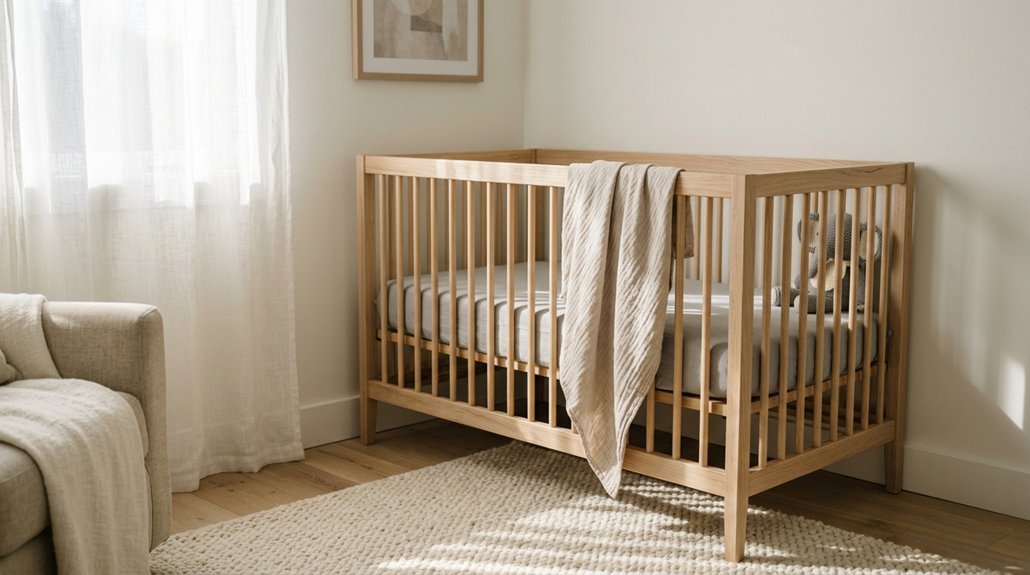


A mini crib is a smaller sleeping space for your baby, usually about 24 to 28 inches wide and 36 to 43 inches long.
You will find it takes up roughly two-thirds the floor space of a standard crib.
Most models come with wheels, so you can move them between rooms without much trouble.
The catch is you need a specific mattress size, and your child will outgrow it faster than you might expect.
How Big Is a Mini Crib, Really?
At roughly 24 to 28 inches wide and 36 to 43 inches long, a mini crib takes up about two-thirds of the space you’d need for a standard crib. You’re looking at a footprint that’s noticeably smaller than a standard crib (28 x 52), which means you’ll fit it where full-size cribs won’t go.
Think of it this way: a bassinet is a small, temporary solution, but a mini crib gives you more use while still saving room. It’s built for apartments, shared bedrooms, or tight corners where every inch counts.
Here’s something practical to remember. Mini cribs use non-standard mattress sizes, so you can’t just grab any mattress off the shelf. You’ll need a mini crib-specific mattress for a proper, snug fit that keeps your baby safe.
Recommended Products

Safety Certifications: The mini crib mattress meets the 16 CFR 1632 /1633 and 16 CFR 1241 Federal Flammability tests
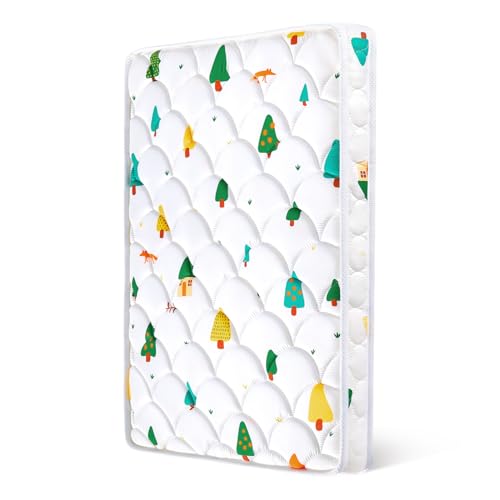
SMELL:The vast majority of Mini Crib Mattress have a pungent smell that makes them uncomfortable. To be honest, this portable crib mattress topper don't smell pungent. Please feel free to use.

SAFETY FIRST, ALWAYS: This mattress is Greenguard Gold Certified to ensure optimum health, safety and peace of mind; meets/exceeds all safety standards set by CPSC/ASTM and passes all flammability (16 CFR 1632/1633) phthalate, lead and toxicity tests.General Note: Please allow 24 - 72 hours for your Mattress to regain its full shape. Any memory foam will expand faster in a warmer room. In cold temperature, at delivery, your mattress may take a bit longer to return to full sized from its compressed state.The expansion time of the mattress will vary as per the surrounding
Mini Crib or Standard Crib: Which Fits Your Life?
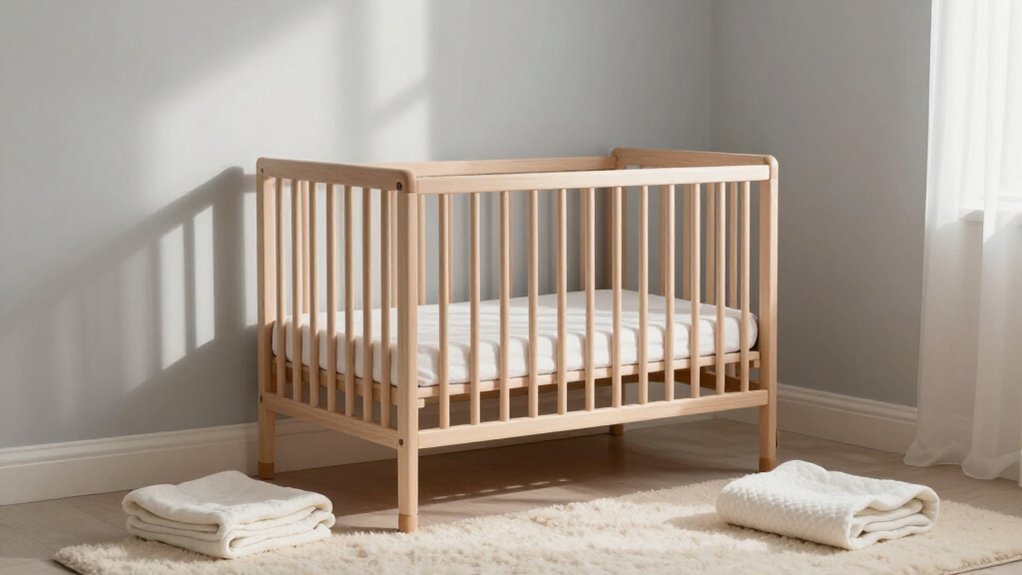
You need to weigh your available floor space against how many years you want the crib to last, since a mini crib’s smaller footprint, roughly 24 to 28 inches wide and 36 to 43 inches long, trades longevity for convenience. A standard crib, at about 28 by 52 3/8 inches, typically serves until age three or four, and often converts to a toddler bed or beyond, while most mini cribs fit only until about 18 months to two years.
If your nursery is tight on space or you need something portable, the mini crib’s compact size wins, but you’ll replace it sooner, so factor that cost and effort into your decision.
Recommended Products
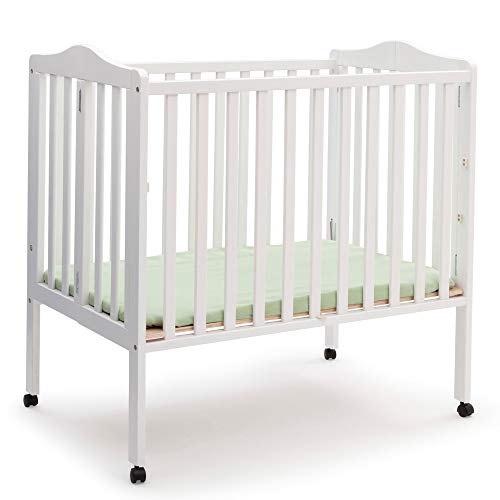
GREAT CRIB FOR SMALL SPACES OR TRAVEL: Crib includes casters for easy mobility; Folds flat for easy travel and storage; The included mattress (size: 37.5"L x 23.25"D x 1.5") stores right in the crib when folded

Exact Mini Crib Fit: Designed specifically for 38" L × 24" W portable/mini cribs. Important: Not compatible with standard 28" × 52" full-size cribs
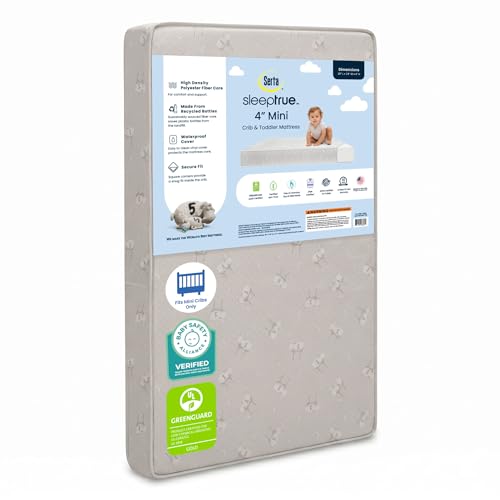
FITS MOST MINI & PORTABLE CRIBS: This crib mattress fits most mini cribs and portable cribs; mattress measures 38"L x 24"W x 4"H (not designed for standard cribs or pack 'n plays) | Measure your crib first to ensure a perfect fit.General Note: Please allow 24 - 72 hours for your Mattress to regain its full shape. Any memory foam will expand faster in a warmer room. In cold temperature, at delivery, your mattress may take a bit longer to return to full sized from its compressed state.The expansion time of the mattress will vary as per the surrounding
Space Considerations
When you’re short on square footage, choosing between a mini crib and a standard crib comes down to real measurements and how you’ll actually use the space. Mini cribs give you room to work with in tight quarters. At roughly 24–28 inches wide and 36–43 inches long, they’re easier to fit into small nurseries and small bedrooms than their full-sized counterparts. Standard cribs demand more floor space at about 28 inches by 52 3/8 inches, and they’re harder to reposition once placed.
If you need flexibility, mini cribs let you move from room to room with less hassle. Many come with wheels for easy transport between your bedroom and the nursery. You can roll baby beside your bed at night, then shift the crib elsewhere when morning comes.
When space is tight and you’re weighing options, choose a mini crib when you want a dedicated sleep spot in a smaller area without giving up stability.
Longevity Value
Because your baby won’t stay small forever, you’ll want to think hard about how long each crib type actually lasts. Mini cribs typically measure 24–28 inches wide and 36–43 inches long, and they’re often outgrown within about 18 months to 2 years. That shorter timeline can limit how far they grow with your child.
A standard crib usually lasts longer, often until age 3–4, especially if you pick a convertible crib that shifts to a toddler or day bed. These options to grow let you keep one piece from your child from infancy through preschool years.
Some mini cribs do offer conversion kits for extended use, but you’ll need to plan ahead. If you want fewer upgrades later, a full-size convertible model typically delivers more longevity value for the years ahead.
When Does a Compact Crib Actually Make Sense?
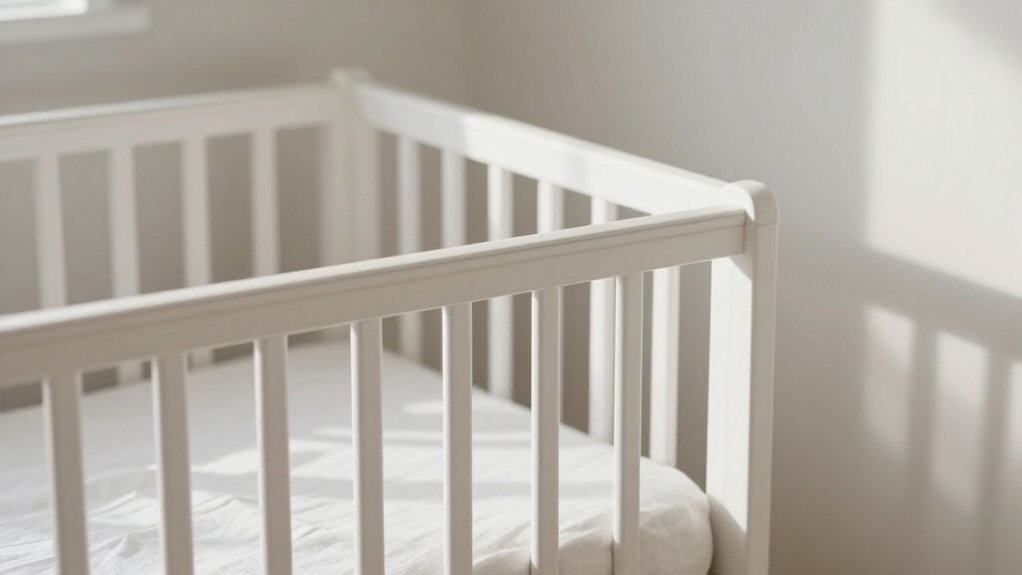
If your nursery is short on space, a mini crib might be your best bet, since these compact sleepers measure just 24–28 inches wide and 36–43 inches long. You get roughly two-thirds the size of a standard crib, which frees up precious floor area in small nurseries or shared bedrooms where you want your baby close.
You’ll appreciate how easily you can move these cribs, too. Many come with locking wheels or fold flat, so you can roll the sleep space between rooms as needed. A mini crib works well when you need a compact step up from a bassinet but aren’t ready for full-size furniture.
Keep in mind, you’ll need mini-specific mattresses and sheets, since the sizing isn’t standard. If you’re planning a shorter first crib window, this option keeps things simple and practical.
Recommended Products

4-IN-1 CONVERTIBLE MINI CRIB WITH MATTRESS INCLUDED: Converts from mini crib (2.75-inch mattress included) to daybed and twin-size bed with headboard & optional footboard (conversion kit sold separately); Includes mini crib mattress; Assembly required
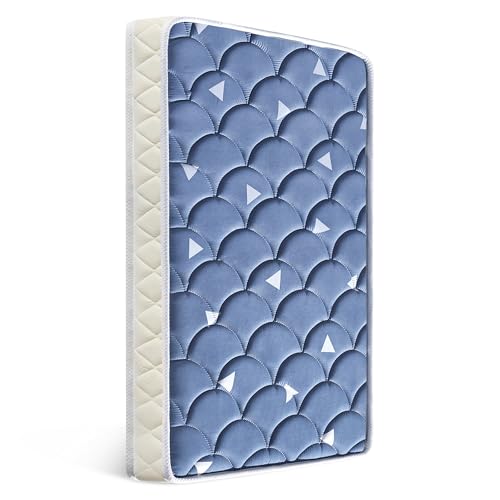
Material: Mini Crib Mattress upgraded to 4-inch thickness, Thickened high-quality high-density foam and soft breathable fabric give Mini Crib Mattress better support and comfort , Make babies sleep safer and more comfortably

MINI CRIB MATTRESS MUST BE 38" x 24" (97 CM x 61 CM) TO FIT: Install long panel 11" x 127" (28 cm x 323 cm) to cover 4 sides. Fit questions/help? Contact manufacturer. NOTE: NOT FOR FULL-SIZE CRIBS.
How Long Until Your Baby Outgrows It?
A mini crib gives you a smaller footprint, but that compact size also means your baby won’t use it as long as a standard crib. Most mini cribs last until 18 months to 2 years, since they’re only 24–28 inches wide and 36–43 inches long. Your little one will hit height, weight, or movement limits sooner, especially when they start pushing up, rolling, or trying to stand.
Because mini cribs aren’t standardized like full-size cribs must meet, you’ll need to plan the next sleep solution early. Shop for the right mini mattress size, and consider convertible options if you want more time. Watch for climbing or when you can’t lower the mattress further; that’s your signal to change over. Small nurseries work fine, but expect a shorter run than a standard crib provides.
Recommended Products
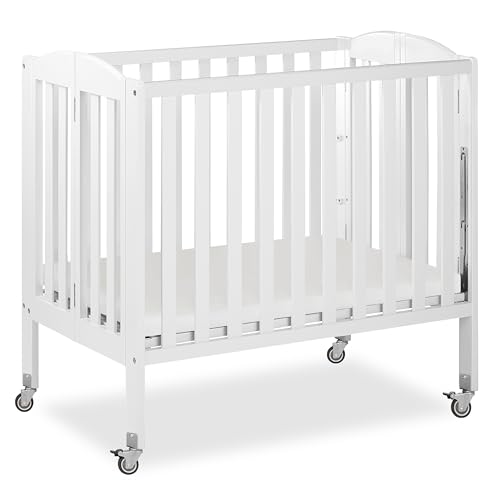
One Crib, Three Functions- The Dream On Me 3-in-1 Folding Portable Crib grows with your little one—serving as a crib, playpen, and changing station all in one. A practical and space-saving choice, it’s ideal for families, daycare centers, and grandparents’ homes.
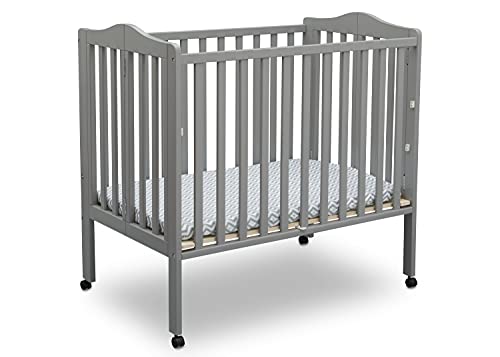
GREAT CRIB FOR SMALL SPACES OR TRAVEL: Crib includes casters for easy mobility; Folds flat for easy travel and storage; The included mattress (size: 37.5 Inches L x 23.25 Inches D x 1.5 Inches ) stores right in the crib when folded

GROWS WITH YOUR CHILD: Converts from a mini crib to a mini daybed and then to a twin-size bed as your little one grows, with the conversion kit sold separately for each stage. This multi-stage design delivers lasting value well beyond the newborn months, adapting alongside your child's changing needs.
Wheels, Mattresses, and Foldable Frames: What to Prioritize
You’ll want to weigh portability features against mattress needs when choosing your mini crib. If you plan to roll the crib between rooms during naps or nighttime, look for locking wheels that move smoothly across floors without tipping. Because mini cribs measure roughly 24–28 inches wide and 36–43 inches long, you must buy a mattress made specifically for these dimensions, leaving no more than two fingers of space at the edges.
Foldable frames work well if you’re tight on space, but always check that your mattress and sheet options are in stock before you commit, since mini crib sizes limit your choices more than standard cribs do.
Recommended Products

General Note: Please allow 24 - 72 hours for your Mattress to regain its full shape. Any memory foam will expand faster in a warmer room. In cold temperature, at delivery, your mattress may take a bit longer to return to full sized from its compressed state.The expansion time of the mattress will vary as per the surrounding.

NON-TOXIC, OEKO-TEX STANDARD 100 CERTIFIED COVER: Tested against a list of 1,000+ harmful substances, the soft cover is non-toxic and gentle on a newborn's delicate skin — safe for your baby and family. Best for parents who want a chemical-screened sleep surface from day one.

DESIGNED FOR DEEPER, SAFER SLEEP. Because your baby’s comfort is more than just rest. It’s development, bonding, and peace of mind from the very first night. The Little Dreamer crib mattress promotes healthy sleep with a hypoallergenic cover and supportive materials designed to cradle your infant securely.
Portability Features
Because you’ll likely move your mini crib between rooms, choosing the right portability features matters more than you might expect. You’ll want wheels with locking casters for easy room to room movement, especially during cleaning or daily routines. These let you roll the mini crib where you need it, then secure it firmly in place.
You’ll also need a true mini crib mattress fit, since mini mattresses come in non-standard sizes smaller than full cribs. A snug fit keeps gaps minimal and sleep safe.
If you frequently transport or store the crib, foldable frames simplify moving between rooms or apartments. Compare weight and stability together. Wheels help mobility, but the crib shouldn’t wobble when moved or left standing.
Mattress Considerations
For your baby’s safety, start by matching the mattress to the exact size of your mini crib, since most mini cribs need a mattress around 24 to 28 inches wide by about 38 inches long.
Buy a 24 to 28 in x 38 in mini crib mattress, not a full-size crib mattress. Check for small gap safety by sliding no more than two fingers between the mattress and crib sides. Snug fits matter, so get proper crib sheets sized for mini mattresses.
If your model has wheels, check for locking casters that keep the bed stable during sleep. Considering a foldable frame? Test that it feels rigid when locked open. Do not sacrifice mattress fit or stability just to gain portability, since your baby’s safe sleep surface comes first.
The Real Downsides No One Mentions First
Before you buy a mini crib, you should know the tradeoffs that often get buried in product descriptions. Mini cribs come designed for small nurseries, but you’ll face real limits.
Your baby will outgrow sooner, usually by 18 months to 2 years, since these cribs measure just 24–28 inches wide and 36–43 inches long. You’ll also find fewer mattress/bed-sheet options because manufacturers use non-standard sizes, forcing you to hunt for mini-specific gear instead of grabbing standard items off any store shelf.
Many lack conversion features, so don’t expect easy changes into toddler beds. If yours has wheels or folds, double-check every lock. Strict safety guidelines matter more here: keep mattresses snug with no more than two fingers’ gap, and skip soft bedding entirely.
Recommended Products

Exact Mini Crib Fit: Designed specifically for 38" L × 24" W portable/mini cribs. Important: Not compatible with standard 28" × 52" full-size cribs

MINI CRIB FIT: Measures 38"L x 24"W x 3"H and is designed to fit compatible mini and portable cribs. Not intended for standard full-size cribs or playards. Always measure the crib interior before purchasing to confirm a proper fit.

【Suitable for】This Mini Crib Mattress compatible with most pMini Crib Mattress or other 38'' x 24'' size baby bassinet. Please measure your mattress data before purchasing.

I've spent years obsessing over the details that make a house feel like a home — from the perfect bedding layers to a thoughtfully styled coffee corner. My focus is on modern, aesthetic home decor ideas that are beautiful, trend-aware, and actually achievable. Great style shouldn't require a big budget — just the right inspiration.
Follow on Facebook