
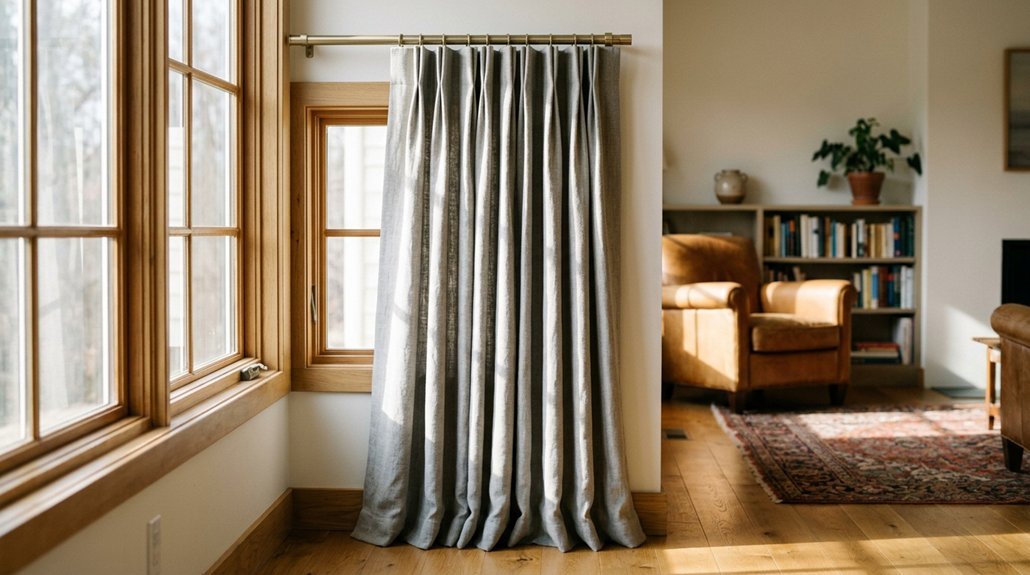


You might not realize that pinch pleat curtains use roughly 2.5 times more fabric than flat panels, which gives them that full, tailored look.
The pleats are sewn in by hand or machine about 3 to 4 inches below the top edge, then pinched into V-shaped doubles or W-shaped triples.
They hang from rings or track runners, so they slide open and closed without bunching up.
This structured header works in nearly any room, but you’ll need to decide which pleat style fits your space before you buy.
What Are Pinch Pleat Curtains and Where Do They Work Best?
Why choose pinch pleat curtains for your windows? Pinch pleat curtains give you tailored, structured drapery with evenly spaced folds pinched and stitched about 3 to 4 inches down from the top. You get a polished, custom finish without overly decorative fuss.
You will mount these on a curtain rod or track system. The pleats slide smoothly along rings with hooks, or runners attached to carriers, or cord-and-pulley hardware. A double pinch pleat offers a clean, V-shaped look that works well with lighter fabrics.
For frequent opening and closing, you will find pinch pleats more practical than goblet pleats, while still keeping an appealing appearance. They suit rooms needing consistent light control and privacy, especially with blackout linings, though some light may seep at the top.
Recommended Products

Thick Linen Fabric: These linen curtains are carefully crafted from 400 GSM fabric of flax linen, cotton and polyester, offering a blend of softness, natural aesthetics and durability. Thicker linen curtains capture a real rich flax textured feel while savoring a heavier set,adding a touch of sophistication

Dual-Layer 100% Blackout Curtains: Crafted with dual-layer construction, these curtains combine a soft high-density linen outer layer and thick white blackout lining. The inner layer blocks 100% sunlight/UV rays, provides thermal insulation (summer/winter comfort), and reduces noise. Enhances privacy while regulating temperature year-round. Natural linen texture delivers organic warmth and sophistication, creating a serene yet elegant ambiance through tactile depth
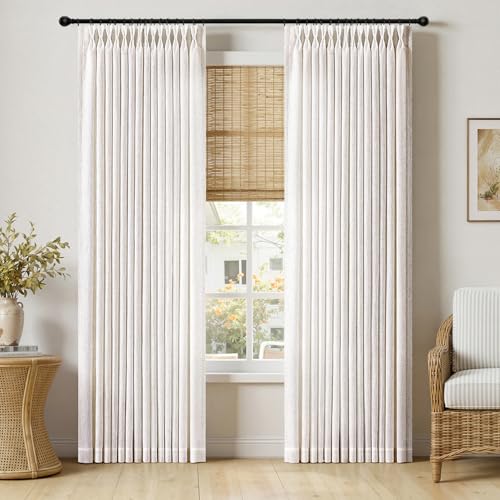
Extra Thick Linen Fabric: Crafted from a premium 380 GSM (grams per square meter) blend of linen,and polyester, these linen curtains strike the perfect balance between softness, natural beauty, and durability. The extra-thick linen fabric captures the authentic richness of true linen while adding a refined, substantial feel
Double vs. Triple Pinch Pleat: Which Style Fits Your Space?
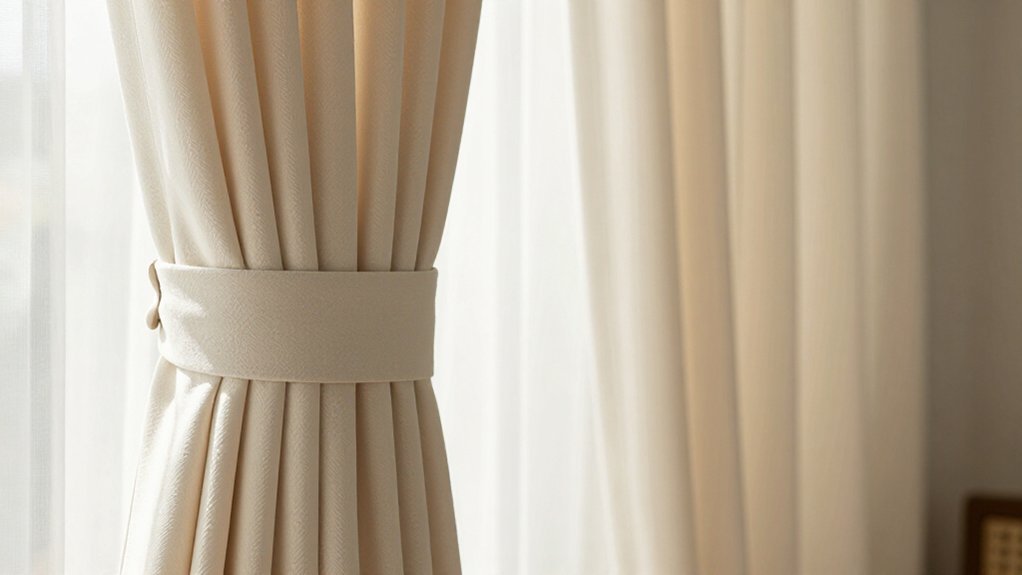
Double pinch pleats give you a simpler, less formal look with their V-shaped folds. Triple pinch pleats create a fuller W-shaped header that costs more and demands heavier fabric.
If you’re weighing formality and fullness against your budget, match the pleat style to your fabric weight and your room’s overall feel. For measuring, calculate your rings or pins from the panel width, since both styles get pleated and tacked at set spacing on a matching rod or track.
Recommended Products

Thick Linen Fabric: These linen curtains are carefully crafted from 380 GSM fabric of flax linen, cotton and polyester, offering a blend of softness, natural aesthetics and durability. Thicker linen curtains capture a real rich flax textured feel while savoring a heavier set,adding a touch of sophistication

Pinch Pleat Design: Pinch pleated curtains use more fabric than regular curtains, creating a luxury curtain with elegant folds. Each panel has 7 pinch pleats, which bring a touch of sophistication. Hanging Aersas pinch pleated linen curtains flow in harmony throughout your home, helping you to create nurturing spaces that feel soothing and calm

380GSM Thick Linen Blend – Woven from premium linen, cotton, and polyester for an authentic, natural texture. The heavy-duty fabric creates elegant, modern folds while enhancing light control and thermal insulation. Perfect for living room, dining room, bedroom, office, nursery & more.
Formality and Fullness
When you’re choosing between double and triple pinch pleats, you’re really deciding how much presence you want your curtains to carry in the room.
A double pinch pleat uses two folds that form a “V” shape above and below the tack point. You’ll get less formality and a slightly lighter look with this style. It’s a classic choice that works well in most homes without feeling too heavy.
Triple Pinch adds one more pleat, creating a “W” shape instead. You’ll use more fabric, which costs more, but you gain fullness and a richer appearance. Both styles gather fabric about 3 to 4 inches down from the top edge.
For simpler needs, pick double. When you want substantial, formal presence, choose triple.
Fabric Weight Matching
Your pleat choice doesn’t just affect how your curtains look. It also determines which fabrics will actually perform well once they’re hung.
With pinch pleat drapery, you need to match the pleat depth to your fabric weight. Double pinch pleats, with their two-finger V shape sitting 3–4 inches down from the top of the drapery, pair naturally with lighter materials. These fabrics gather softly without fighting the structure.
Triple pinch pleats demand heavier textiles. Their three-finger W shape, also tacked 3–4 inches down, needs substantial weight to hold that fuller header crisp and defined. If you choose too light a fabric for triple pleats, they’ll sag; too heavy for double, and you’ll get bulk without grace.
For inverted pinch pleat styles, this same rule applies: match the construction depth to what your fabric can carry.
Cost and Volume
Because triple pinch pleats use more fabric and take longer to sew, they usually cost more than double pinch pleats. You will pay the highest price for these pinch pleat draperies, but you also get the fullest look.
Double pinch pleats use two folds, sewn and tacked 3–4 inches down, making a neat V shape. They work well with lighter fabrics and smaller budgets.
Triple pinch pleat styles add a third fold, so the header fans into a sharper W shape. You will need heavier fabric to hold that shape, and that adds cost too.
If you want to save money but still get a tailored look, pick double pinch pleats. If you want maximum volume and can spend more, triple pinch pleats provide a polished, classic finish.
Euro Pleat vs. Goblet Pleat: Modern Pinch Pleat Styles
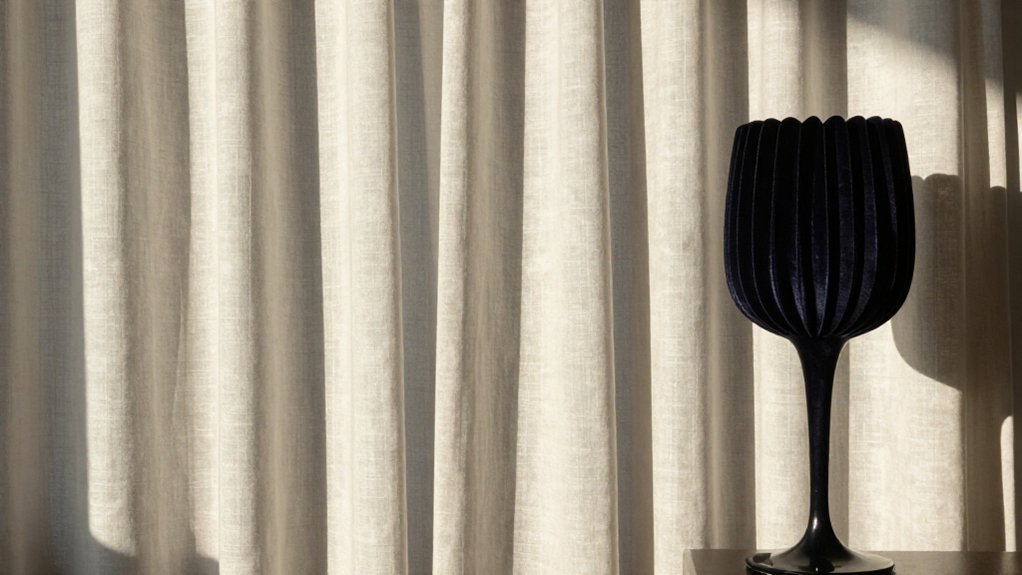
The modern pinch pleat family includes two standout styles you’ll want to evaluate for your windows: Euro pleat and goblet pleat. Both header styles offer contemporary takes on traditional pinch pleats, but they suit different needs and spaces.
Euro pleat gathers and stitches about half an inch down from the top, creating an unstructured, modern flow as your fabric falls. You’ll notice its inverted direction gives a relaxed, tailored look that feels current.
Goblet pleat builds one large roll at regular intervals across the top, using filler like interlining or cylindrical supports to hold its shape. This sculptural, decorative style works best for stationary panels, since frequent opening and closing can distort the goblet form over time.
Recommended Products

Versatile Hanging Options- Each curtain package includes 14 hooks and 14 metal rings.The hidden tab creates a seamless, rod-concealing look with flowing pleats, while hanging with rings emphasizes the triple pleats for a crisp, structured, designer finish.

Thick Linen Fabric with Timeless Texture: Crafted from premium thick linen blend fabric, these pleated curtains feature a rich woven texture that adds warmth and depth to any room. The soft neutral color palette complements a wide range of décor styles, making them an ideal choice for living rooms, bedrooms, dining rooms, home offices, and modern farmhouse, coastal, Scandinavian, or minimalist interiors.

Versatile Hanging Options- Each curtain package includes 14 hooks and 14 metal rings.The hidden tab creates a seamless, rod-concealing look with flowing pleats, while hanging with rings emphasizes the triple pleats for a crisp, structured, designer finish.
Which Fabrics Work Best for Pinch Pleat Curtains?
Pinch pleat curtains work with nearly any fabric you can imagine, so how do you narrow it down? You can choose linen, cotton, silk, velvet, chenille, damask, denim, satin, suede, toile, or embroidered options, and each gives your pleated curtains a different feel.
For decorative, look-only treatments, pick lighter fabrics, or layer a Pinch Pleat topper over sheer panels. This keeps the structured header while letting light through.
If you need real light control and privacy, go heavier; dense materials block more light naturally. For maximum darkness, add blackout lining to heavier fabric. This combo blocks most light, though some seeps near the top edge from the pleat folds.
Bold patterns make windows pop, while neutral tones blend peacefully with your space.
Recommended Products

1. Create Neat Pinch Pleats These curtain hooks for drapes slide into compatible pleat tape or curtain header pockets to create clean, evenly spaced folds and give ordinary curtain panels a tailored appearance

Secure and Reliable Hold: These drapery hooks measure 1.2 inches in length and 0.7 inch in width, featuring sharp tips that glide effortlessly through header tape and grip fabric firmly without slipping, loosening, or falling out. Enjoy peace of mind all day long

Exquisite Pinch Pleat Design: 2 Panels per package.Each panel measures 40 inches wide by 96 inches long.The top design of this linen curtain creates an elegant and voluminous effect. Suitable for a variety of styles and scenes
Track or Rod: What Hardware Do Pinch Pleats Need?
How do you actually hang pinch pleat curtains once you’ve picked your fabric? You’ll need either a track system or a drapery rod to get the job done right.
For tracks, you attach drapery pins to carriers that glide along the bottom rail, giving you smooth, quiet operation every time you open or close your curtains.
For a drapery rod setup, you hook each pinch pleat to rings spaced across the pole, so every pleat falls exactly where it should. You’ll order rods, tracks, rings, and clips separately, then match your pleat style, double, triple, or euro, to the right attachment method.
To figure out rings, divide your panel width by five, then add one. This tells you how many rings you need per panel for even spacing.
Recommended Products

Ready Made:Each package includes 2 panels of pinch pleated curtain with 18 hooks(without rings),measuring 40"Wx90"L each panel.
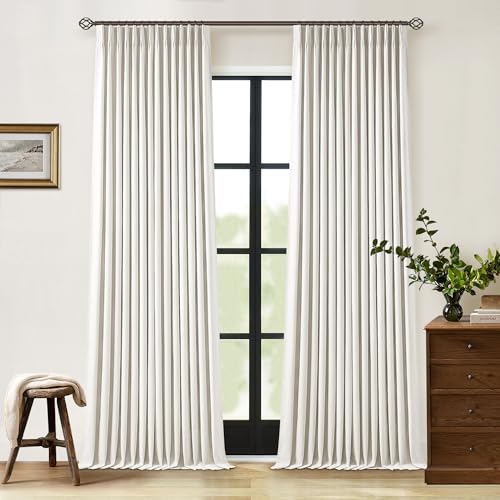
Double Layer Design 100% Blackout Curtains: Our pinch pleated blackout curtains crafted from linen blend fabric and 100% blackout curtain liner, combining the softness of linen with the practicality of blackout lining. The pairing of these two layers creates a sophisticated look, adding texture to the window treatment. Provide you a complete private and personal space for a sweet sleep or rest

Triple Pinch Pleat Hanging Method: Sold as a set of 2 panels (each 40"W x 84"L) and includes 14 metal rings and 14 hooks.Each panel features 6 true pinch pleats and 7 back tabs.The classic triple pinch pleat header is compatible with standard curtain rods or ceiling tracks when used with hooks, allowing each curtain panel to fall in clean, vertical lines that enhance window height and provide a polished drapery panels appearance.
How to Measure Windows for Pinch Pleat Curtains
Get your tape measure ready, because you’re about to figure out exactly what size curtains you’ll need.
First, choose your finished length: floor-touching, window-bottom, or puddled. Since the pleat header stacks fabric at the top, include that height so panels don’t end up too short.
For width, use this guide:
- Measure your rod or track width for full coverage
- Divide panel width by 5, then add 1 to calculate rings needed
- Match pleat quantity to your product page for even spacing
- Double-check fullness so curtains move along the rod smoothly
For a fit, confirm your numbers twice before ordering. If your window exceeds 120 inches and will be opened and closed frequently, plan for a track system early to handle the weight.
Recommended Products
Extra Thick Linen Fabric: Crafted from a premium 380 GSM (grams per square meter) blend of linen,and polyester, these linen curtains strike the perfect balance between softness, natural beauty, and durability. The extra-thick linen fabric captures the authentic richness of true linen while adding a refined, substantial feel

PINCH PLEATED DESIGN: Curtains top features 1.5 times length fabric design for an elegant pleated effect. Perfectly presenting a sense of stereoscopic and layering. Whether in living room, bedroom, dining room or sliding door etc, it fit perfectly into a variety of room decor style

50-inch wide&100% Blackout:Thick linen fabric with blackout lining blocks 100% of light/UV rays,effectively reduces noise,saves energy, thermal insulates to keep summers cooler,winters warmer.50"W(25% wider than 40"W)x2panels perfectly fit windows 48"-72"-96"wide with zero light leakage,maximize darkness.Ideal for bedrooms, nurseries,living rooms,or light-sensitive sleepers.
What Custom Pinch Pleat Curtains Cost
Because you’re investing in custom window treatments, you’ll want to know exactly where your money goes before you place an order.
Custom pinch pleat curtains for your custom window typically start around $113.51 and can reach $331.37 per drapery panel, depending on your choices. Your pleat curtain style directly affects the price: you’ll pay less for double pinch pleat and more for triple pinch pleat, since triple styles use extra fabric. Parisian and euro variations follow similar rules, with more complex headers costing more.
Fabric selection matters too. You’ll find silk-blend pleat drapes from $99.93 and chenille options from $112.67, often with promotional discounts like 10%, 18%, or 40% off. Remember, hardware such as rods, tracks, rings, and clips are usually ordered separately, though adjustable hooks may come included with your curtains.
Recommended Products

Versatile Hanging Options- Each curtain package includes 14 hooks and 14 metal rings.The hidden tab creates a seamless, rod-concealing look with flowing pleats, while hanging with rings emphasizes the triple pleats for a crisp, structured, designer finish.

LUXURIOUS HEAVY LINEN BLEND FABRIC: Crafted from a premium blend of 30% linen and 70% polyester, our thick curtains feature a substantial 380gsm weight fabric that adds a sense of luxury and durability. The high-density material ensures excellent light filtering while maintaining privacy in your living room or bedroom.
LUXURIOUS HEAVY LINEN BLEND FABRIC: Crafted from a premium blend of 30% linen and 70% polyester, our thick curtains feature a substantial 380gsm weight fabric that adds a sense of luxury and durability. The high-density material ensures excellent light filtering while maintaining privacy in your living room or bedroom.
How Pinch Pleat Curtains Are Made
You’ll start by gathering fabric into neat sections, then stitch or tack the folds about 3, 4 inches down from the top edge to form a structured header. For double pinch pleats, you’ll create two folds that make a “V” shape, or you’ll use three folds for triple pleats that fan into a “W” look, while Euro pleats get tacked near the top for a softer drop.
Once your pleats are set, you’ll attach rings, clips, or runners so the curtain slides smoothly along its rod or track.
Recommended Products

380GSM Thick Linen Blend – Woven from premium linen, cotton, and polyester for an authentic, natural texture. The heavy-duty fabric creates elegant, modern folds while enhancing light control and thermal insulation. Perfect for living room, dining room, bedroom, office, nursery & more.

Versatile Hanging Options- Each curtain package includes 14 hooks and 14 metal rings.The hidden tab creates a seamless, rod-concealing look with flowing pleats, while hanging with rings emphasizes the triple pleats for a crisp, structured, designer finish.
Fabric Gathering Technique
When you’re making pinch pleat curtains, you start by pulling the fabric together into tight, even gathers across the top edge, then you stitch or tack those folds so they stay put.
This fabric gathering technique creates the foundation for all structured pleats. You position your gathered and tacked fabric about 3–4 inches down from the top edge, and this placement determines where your pleats pinch into shape.
Here’s how the technique varies by style:
- You form two-finger pinch pleats with two structured folds making a V-shape above and below your tack point.
- You create triple pinch pleats with three folds fanning out in a dramatic W-shape.
- You can pair either style with stiffening or buckram for consistent drape memory.
- You might contrast this with an inverted box pleat, which folds fabric backward rather than forward.
These methods give you repeatable, tailored results every time.
Pleat Formation Process
You’ve already gathered and tacked your fabric, so now you’re ready to shape the actual pleats. You stitch or tack the folds together about 3–4 inches down from the top edge, which forms the tailored header.
For a double pinch pleat, you create two structured pleats that form a V-shaped fold pattern above and below your tack point. If you’re making a triple pinch pleat, you’ll add one more pleat for a W-shaped formation, though this style uses more fabric overall.
The Parisian or Euro style works differently, since you fold and stitch near the very top, about a half-inch down, using an inverted pleat before you let the fabric fall naturally. Once your pleats provide the finished shape at the top of the curtains, they’re ready to connect with drapery hardware.
Hardware Attachment Method
Once your pleats are stitched and shaped, you’re ready to connect them to the hardware that carries their weight. Pinch pleat curtains require specific attachment methods to function properly on your top rod.
You’ll follow these key steps:
- Insert drapery pins or hooks into the bottom of each pleat, about 3 to 4 inches down from the top edge.
- Space your attachments so one pleat carries every 5 inches of panel width.
- Match your hardware to your header styles, since inverted window treatments need different runners than standard pleats.
- Purchase your rod, rings, clips, or runners separately to ensure compatibility with your specific pleat formation.
Because hardware must align precisely with your pleat pattern, you’ll want to double-check your counts before purchasing. Proper attachment lets your panels glide smoothly and hold their tailored shape for years

I've spent years obsessing over the details that make a house feel like a home — from the perfect bedding layers to a thoughtfully styled coffee corner. My focus is on modern, aesthetic home decor ideas that are beautiful, trend-aware, and actually achievable. Great style shouldn't require a big budget — just the right inspiration.
Follow on Facebook