
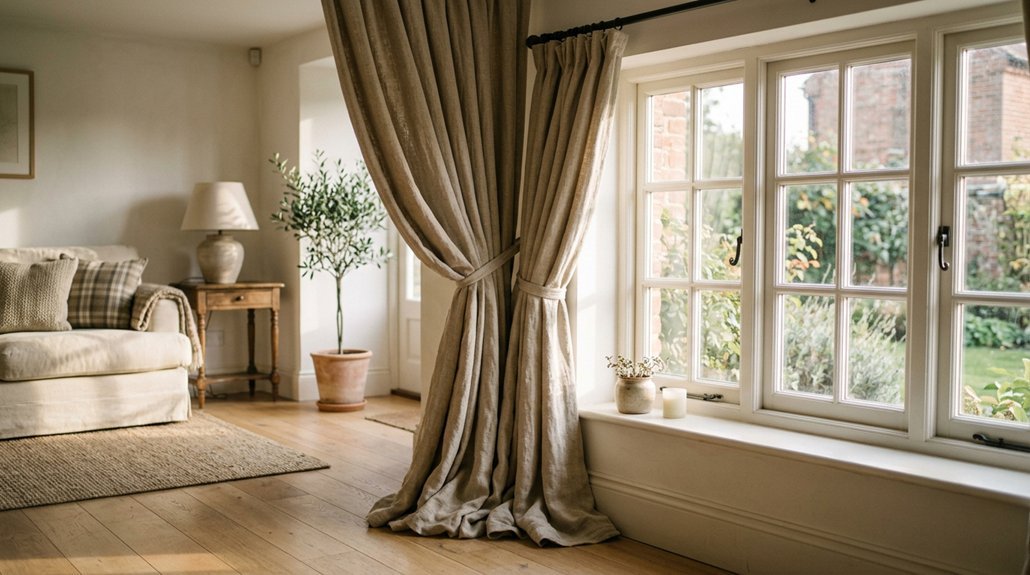


A single mismatched window treatment can throw off an entire room, like wearing sneakers with a suit.
You’ll avoid this common mistake by following seven clear steps that cover fabric weight, lining choice, exact measurements, color balance, pattern selection, length options, and proper hardware.
Each decision builds on the last, and you’ll soon see why getting the first step wrong leads to costly replacements.
Curtains or Drapes? Match Your Window Treatment to the Room
At the start of your project, you’ll need to decide between curtains or drapes, since each one serves a different purpose in your home. You’ll find curtains are lighter window panels on a rod, and they work well in living rooms where you want privacy without heavy coverage. Drapes are heavier treatments with lined fabric, and they block sunlight better for rooms where you need darkness.
If you’re dressing a bedroom, you’ll want drapes for their thickness and light control, which helps you sleep better.
For your window treatment to pull the room together, match the weight to the function, curtains for casual spaces and drapes for formal needs or large, tall windows where full coverage makes a polished presentation.
Recommended Products
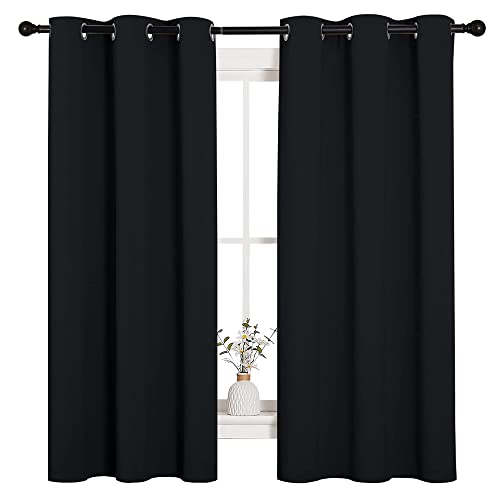
READY MADE: Set includes 2 BLACKOUT CURTAINS PANELS of 42" wide x 63" length with 6 grommets top each. Quality fabric without liner feels soft and heavy.
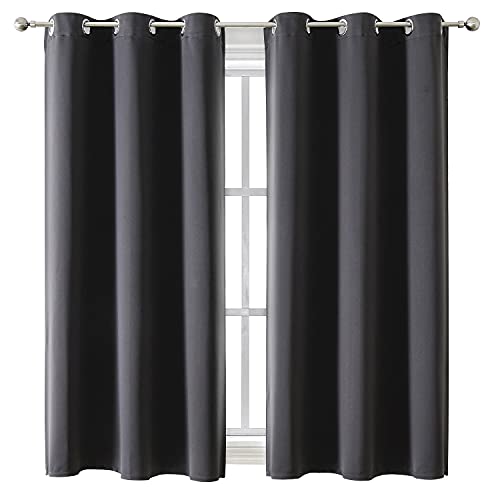
SET DETAILS: 2 charcoal gray curtains per package. Each panel measures 42 inch wide by 63 inch long with 6 silver metal grommets (1.6 inch inner diameter) on top, easy to install and slide.

MULTIPLE HANGING: Sold per pair, including 2 window panels - Panel measures: 52 x 84 - inches | Set measures: 104 x 84 - inches, with 3 curtain top hanging options (Back tab & Rod pocket & Pleated) for your personalized style. Each panel sewn with 4" rod pocket (7 back loops), 2" bottom hem and 0.8" side hem, specialized fitting the curtain rods up to 3
Choose Curtain Fabric and Lining by Style and Sunlight Needs
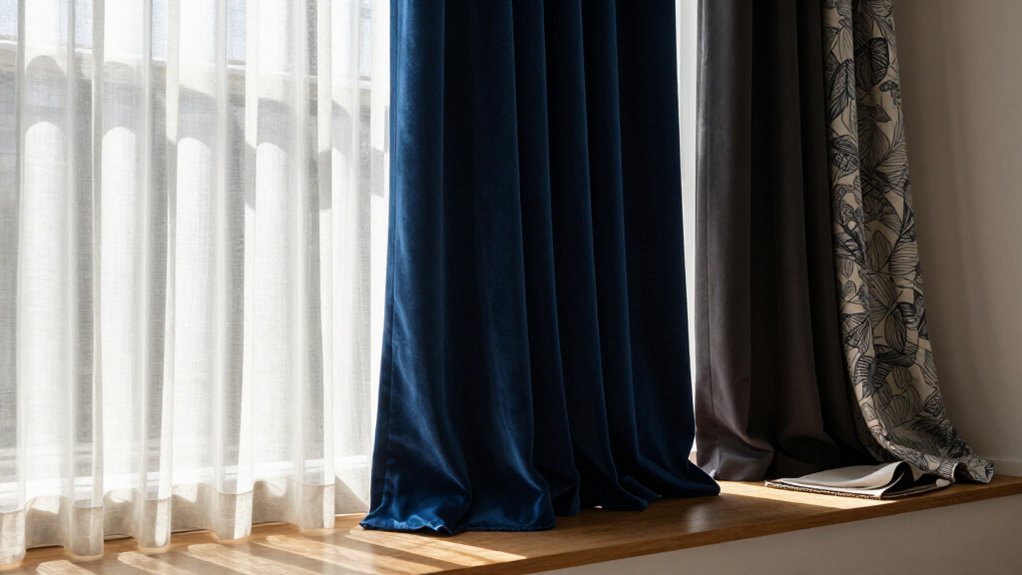
You’ll want to start by weighing your fabric options against how much sun you’re dealing with, since heavier cloth like velvet blocks more light while cotton or linen lets it through softly. Then you’ll match your lining to the job, picking standard lining for basic privacy or thick blackout lining when you need near-total darkness for sleeping.
Getting this pairing right means your curtains hang better, work harder, and fit the room’s daily rhythm without wasting money on the wrong setup.
Recommended Products

LIGHT-BLOCKING BLACKOUT FABRIC: Create darker, more private spaces with blackout fabric by the yard designed for curtains, drapes, shades, and window treatments. The dense construction helps block sunlight, reduce outside glare, and limit UV exposure, making it suitable for bedrooms, nurseries, home theaters, studios, offices, and daytime sleepers.
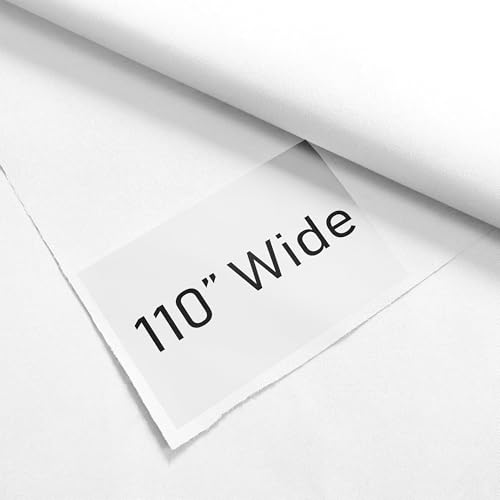
BLACKOUT FABRIC FOR DIY CURTAINS & LINING: 100% blackout cloth for sewing your own blackout curtains, drapery panels, valances and Roman shades, or for adding blackout lining behind the curtains you already have. Cut to size for any window and turn any bedroom into a dark, sleep-friendly room.

Premium Blackout Fabric: This 58-inch wide drapery lining is crafted from a blend of 70% polyester and 30% cotton, providing superior light-blocking capabilities for complete privacy and reduced energy costs.
Fabric Weight Options
Because sunlight control shapes your daily comfort, you’ll want to match fabric weight to each room’s needs. Lighter fabrics, like sheer curtains, filter soft daylight into simple spaces without bulky weight. Heavier fabrics, such as velvet or thick drapery fabrics, suit traditional rooms with formal presence.
For bedrooms, you’ll need true blackout options, typically 100% opaque, to block almost all light and protect your sleep. You can also layer: place sheer curtains close to the window for daytime privacy, then add a heavier blackout curtain behind for night.
Consider these fabric choices:
- Sheer linen that lets morning light glow through while softening your view.
- Thick velvet that pools at the floor and frames your windows like heavy columns.
- Blackout cotton that turns bright noon into midnight darkness for deep rest.
Lining Purpose Selection
When you’re picking out curtains, the lining you choose matters just as much as the fabric itself, since it controls light, protects your main fabric, and shapes how the panels hang at your window.
For bedrooms, you’ll want blackout curtains with 100% opaque cotton blackout linings to block almost all light. If you need privacy and light during daytime hours, pick light-filtering fabrics like cotton, linen, or sheers with standard lining.
Lining also helps curtains hang better on your curtain rod, and it shields your main fabric from sun damage. Match lining to your sunlight exposure: heavier lining reduces glare and heat, while lighter lining keeps rooms brighter.
When layering with shades, place sheers closer to the window for daytime softness, and use heavier lined blackout drapes in a solid color for nighttime darkness.
How to Measure Windows for a Custom Fit
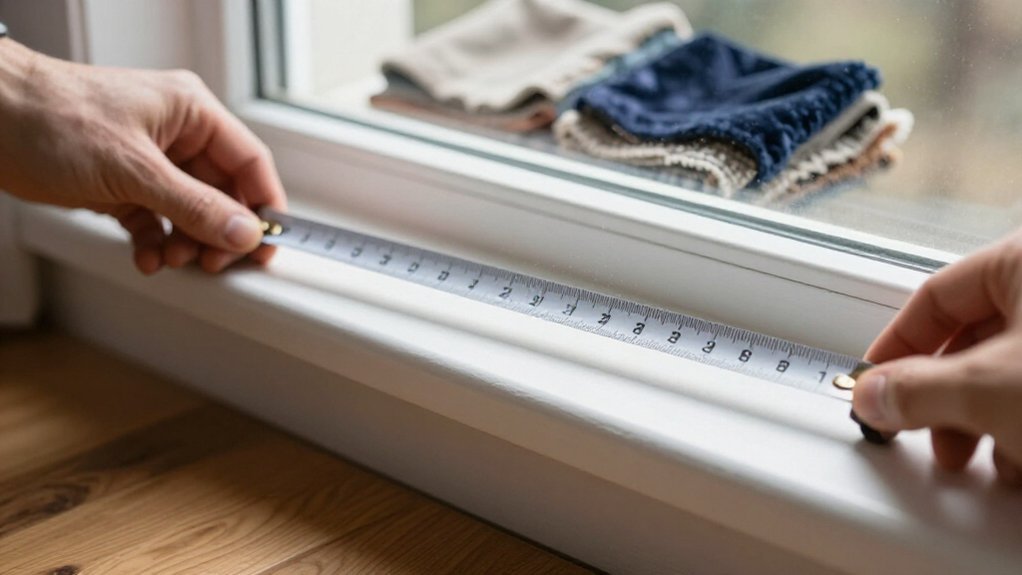
Before you order custom curtains, grab a steel measuring tape and a notepad. Accurate measurements will save you from panels that puddle on the floor or stop short of the sill. You’ll need to measure the width including the molding, not just the glass, to get the true finished opening. Extend your rod about 3 inches past each side of the window so your curtains are drawn fully clear of the frame when open.
For floor length, measure from the planned rod location down to roughly 1/2 inch above the floor. For fullness, multiply your window width by 2 to 2.5 times. A 60-inch window needs 120 to 180 inches of total panel width.
- Picture your tape stretched across the molding, capturing every inch of the true frame.
- Imagine the rod extending past the wall, holding fabric that clears the glass completely.
- See the hem hovering just above your floorboards, neat and tailored.
Recommended Products
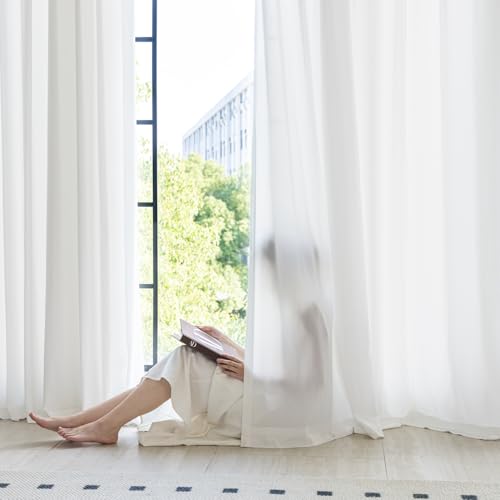
PACKAGE INCLUDES: 2 Non-See-Through curtain panels per pack, each measuring 52"W x 84"L. Featuring a 3-inch rod pocket that fits most standard curtain rods for quick and easy hanging. Perfect for living rooms, bedrooms, and any space where you want privacy with soft, natural light.

" All over burnout bird on branches window curtain panel Silver grommet top that fits up to 1.25 inches in diameter rod Lightweight sheer and see through fabric Great for layering curtain as the second panel "

PREMIUM QUALITY CONSTRUCTION - Each set includes 2 panels (47" W x 96" L each) made with durable linen-textured fabric that maintains its cottage-inspired ruffled design wash after wash.
Colors That Harmonize or Contrast With Your Decor
Your curtain color choice establishes the atmosphere for the whole room, so you’ll want to think about whether you’re aiming for a calm blend or a bold statement. When you choose curtains that harmonize with your home decor, match them to your walls or larger accents, like light gray curtains with light gray walls, for a smooth, balanced room look.
For contrast, pick a deeper tone, such as dark blue curtains on white walls, to make the window a clear center of attention. Lighter neutrals, including white, cream, or soft beige, reflect more light and help the room feel airier and larger.
If your bedding has intricate patterns, select solid-color curtains to avoid competing visuals. Match curtain colors to existing accent shades, like navy throw pillows with navy curtains, to connect the room and prevent mismatched color breaks.
Recommended Products

LUXURIOUS HEAVYWEIGHT VELVET: Each panel is cut from a dense single-layer velvet — soft and plush to the touch, heavy in the hand, weighted just enough to fall from rod to floor in clean, sculptural folds with an elegant sheen. Run your fingers across the full, fluffy pile and it gives a little, holds a lot, and softens every light source in the room into something warmer. There's real weight here, real drape, real hush the moment the fabric settles.

SUPERIOR VELVET MATERIAL: Crafted from thick 300 GSM high-density velvet, all StangH velvet curtains feature a plush, silky ultra-soft touch. The heavy, sturdy weave delivers sleek, elegant natural draping, while faint silver light reflection is a normal trait of premium velvet. OEKO-TEX STANDARD 100 & GRS certified, they are chemical-free, family-safe for kids and pets, and made of 50%+ recycled polyester for eco-friendly use.

PACKAGE:Includes 2 blackout luxury velvet window curtains panels W52 x L90 inch .Each panel has 2 hanging style--Rod Pocket & Back Tab.All hanging fit rod diameter up to 3 inch.(Rod pockets will form dense folds ,the back tab hanging style will creates neat folds in the curtains.)
Printed or Solid Curtains for Visual Balance
For printed or solid curtains, you’ll need to look at what else is already in the room before you decide. If your bed set, rug, or pillows already carry busy patterns, choose solid curtains to avoid visual competition. Solid curtains in fabrics like velvet add depth through texture rather than pattern.
When surrounding textiles are plain, printed curtains bring weight and draw the eye to your windows. Large patterns need breathing room, while smaller prints suit tighter spaces. Pair printed curtains with solid furniture to maintain visual balance and prevent chaos.
Picture these scenarios:
- A floral sofa with plain linen drapes that let the furniture shine
- Stark walls energized by geometric curtains above a solid sofa
- A velvet armchair anchoring a room with subtle patterned sheers
Trust texture when you want dimension without bold prints.
Recommended Products
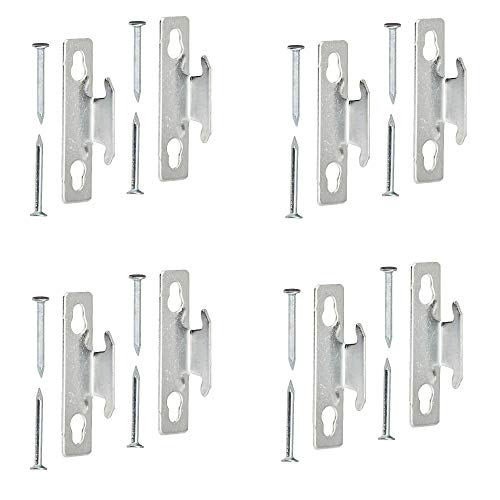
1 case of 4 Packs, 4 Count Total
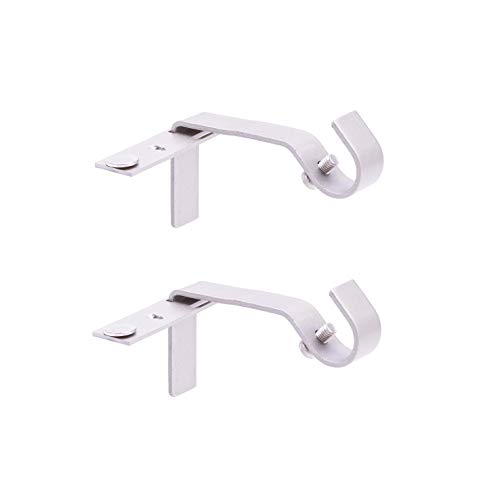
NO DRILL, NO MEASURE INSTALLATION FOR QUICK SETUP Fast Fit design installs easily without drilling or measuring, helping save time and reduce wall damage during setup.

LOCKING BUCKLE DESIGN – Curtain rod bracket features a plastic buckle to hold the rod firmly in place without wobbling. NOTE: curtain rod hooks fit 1 INCH diameter rods only; the anchors provided are not for drywall.
Curtain Length: Floor-Length, Puddled, or Sill-Height?
You need to pick the right curtain length before you order, since floor-length panels hang about 1/2 inch above the floor, puddled styles pool 1 to 3 inches for a fancier look, and sill-height options stop right at the window sill for a casual feel.
Measure from your rod to the finished floor spot first, because that number tells you exactly which length to buy. Skip the common mistake of hanging curtains several inches above the floor, since that gap makes the whole room look unfinished and cheap.
Recommended Products

100% Total Blackout & UV Blocking: Achieve perfect darkness with these blackout curtains! The dedicated liner blocks 100% sunlight and UV rays, ideal for any bedroom or living room. This blackout curtain protects furniture from fading and helps regulate room temperature year-round.

Pair Sold: Each package includes 2 panels of blackout curtains. Each panel measures 40"W x 63"L, with a pair measuring 80"W x 63"L.

100% Blackout Curtains: A full blackout white coating is attached to the back of our linen curtains, blocking 100% of sunlight and UV rays. Provide you a complete private and personal space for a sweet sleep or rest. Good choice for bedrooms, nursery, living rooms, offices, patio door. Also perfect for babies, night shift workers and people sensitive to light
Ideal Curtain Lengths
Since the right curtain length can make or break a room’s look, you’ll want to match the style to your space and lifestyle. You’ll measure from the installed curtain rod down to where you want the curtain to end, so grab your tape measure before shopping.
- Picture your curtain hovering 1/2 inch above the floor, creating clean lines that work in most rooms without collecting dust.
- Imagine fabric pooling 1–3 inches on hardwood, adding formal elegance that demands more upkeep.
- Visualize panels stopping at the window sill, offering casual charm perfect for kitchens and bathrooms.
Avoid hems ending several inches above the floor, since that gap looks unfinished and cheapens your space. Get your numbers right, and you’ll avoid costly mistakes.
Length Selection Tips
How do you pick the right curtain length without second-guessing yourself? You start by measuring from the curtain rod to where you want the fabric to end. For curtains for your living room, floor-length panels work best when they hang just 1/2 inch above the floor, giving you that clean, tailored look without looking unfinished.
Puddled styles pool 1–3 inches onto the floor if you want something more formal, though you’ll deal with more dust and cleaning. Sill-height stops right at the window sill, about 1/2 inch above it, which feels lighter and more casual for kitchens or smaller spaces.
Before you order, always measure from the curtain rod down to your chosen endpoint. Don’t make the common mistake of stopping several inches above the floor; that gap looks awkward and cheap. Proper length makes everything look polished.
Curtain Rods, Tracks, and Installation Tips
For a polished look that functions well day to day, you’ll need to start with the right hardware and a solid plan for hanging it. Curtain rods work well in traditional rooms, while tracks give a cleaner glide for heavier drapes. Pick rod-pocket styles for classic appeal, or grommets for smooth, modern folds.
Think of your rod extending 3 inches past each side of the frame, so panels stack fully clear of the glass.
Consider mounting the hardware 4 inches above the molding, with curtains pooling slightly or just brushing the floor.
Envision extra fabric gathered at 2 to 2.5 times your window width, creating full, generous folds that never look thin.
Measure from rod to endpoint before you buy, and you’ll get length right the first time.
Recommended Products

Pre-Cut 2 Yards (72" x 55"): Get a 2-yard pre-cut blackout fabric — perfect for crafting matching curtain panels, blackout liners, or medium-sized window treatments with full light-blocking performance

BLACKOUT FABRIC FOR DIY CURTAINS & LINING: 100% blackout cloth for sewing your own blackout curtains, drapery panels, valances and Roman shades, or for adding blackout lining behind the curtains you already have. Cut to size for any window and turn any bedroom into a dark, sleep-friendly room.
BLACKOUT FABRIC FOR DIY CURTAINS & LINING: 100% blackout cloth for sewing your own blackout curtains, drapery panels, valances and Roman shades, or for adding blackout lining behind the curtains you already have. Cut to size for any window and turn any bedroom into a dark, sleep-friendly room.

I've spent years obsessing over the details that make a house feel like a home — from the perfect bedding layers to a thoughtfully styled coffee corner. My focus is on modern, aesthetic home decor ideas that are beautiful, trend-aware, and actually achievable. Great style shouldn't require a big budget — just the right inspiration.
Follow on Facebook