
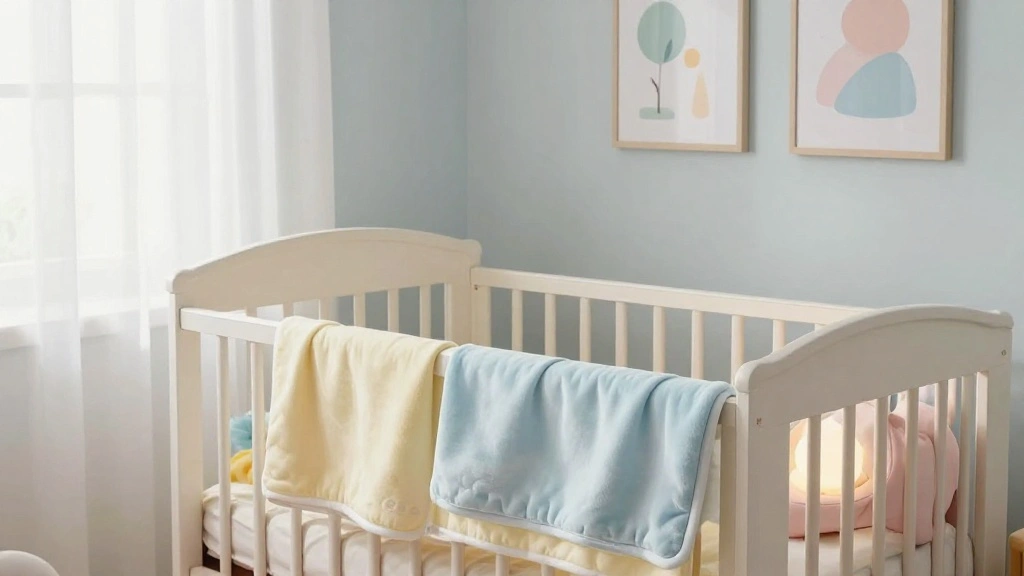


What colors create a serene atmosphere in a baby’s room? Choosing the right colors for a baby’s room can significantly impact their sleep and overall mood. Colors can evoke feelings of calmness, serenity, and comfort, which are essential for your little one’s development and rest. In this article, we will explore various color palettes, their psychological effects, and how to create a peaceful environment that promotes sleep and relaxation for your baby. By the end, you’ll have a clear understanding of which colors to choose to ensure your child’s room is a haven of tranquility.
Main Answer
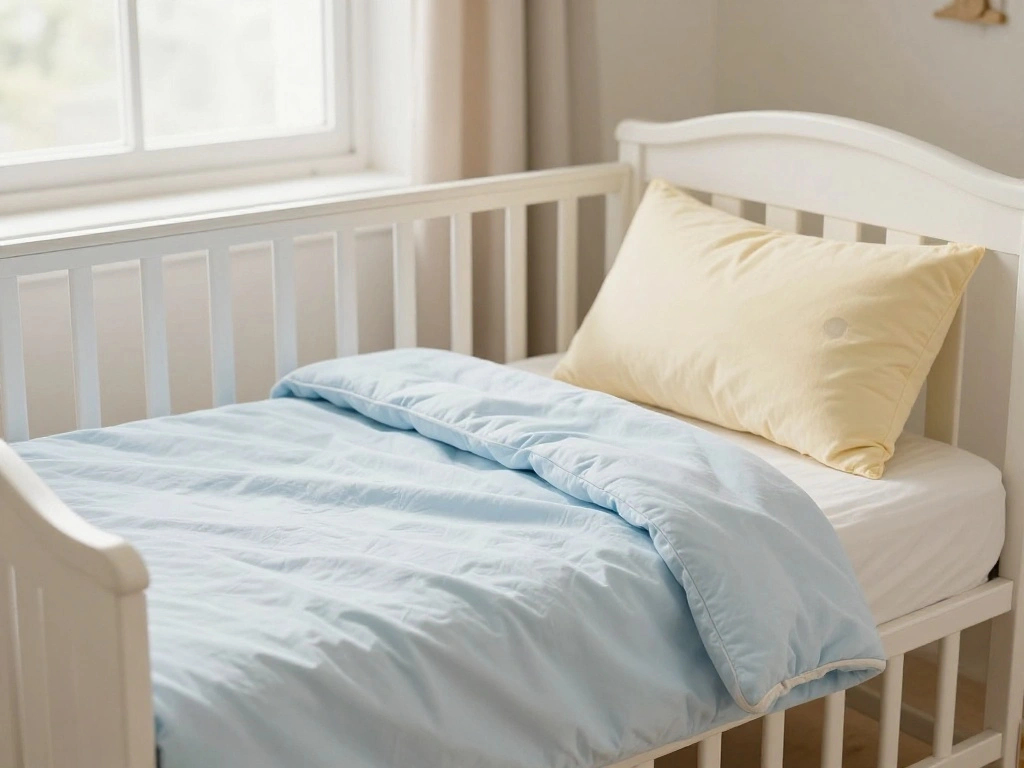
Calming Colors for Baby’s Room
When selecting colors for a baby’s room, soft, muted tones are often the best choice. Colors like pale blue, soft green, and gentle lavender are known for their calming properties. Pale blue, in particular, promotes a sense of tranquility and can help lower blood pressure, making it an excellent option for a nursery.
On the other hand, soft greens evoke feelings of nature and rejuvenation, which may help your baby feel more at ease. These colors can create a restorative environment perfect for sleep.
Lavender is another fantastic choice; its gentle hue is associated with calmness and relaxation, making it ideal for a baby’s room. You can incorporate these colors through paint, bedding, or decorative accessories.
Warm Neutrals for Comfort
Warm neutrals, such as beige, cream, and soft gray, can create a cozy feeling in the nursery. These colors are versatile and can easily be paired with brighter accents without overwhelming the space. Beige brings a sense of warmth that can make the room feel inviting and nurturing.
Cream is another lovely option that adds brightness while maintaining a soft, peaceful atmosphere.
Lastly, soft gray can provide a modern touch while still offering a calming effect. You can use these colors as a base and add colorful decor elements like toys or art for visual interest without disrupting the calm feeling of the room.
Accents and Accessories
While the primary color should be soothing, accents can introduce some playfulness into the space. Consider using colors like soft yellow or a gentle peach as accent colors.
These hues can stimulate creativity and joy without being overly stimulating. Use them in accessories, such as curtains, rugs, or wall art to keep the focus on the calming primary colors while still making the room feel vibrant and lively.
Key Takeaways
- Soft, muted colors like pale blue, soft green, and lavender are excellent for promoting calm.
- Warm neutrals such as beige, cream, and soft gray create a cozy atmosphere.
- Accent colors like soft yellow and peach can add a playful touch without overwhelming.
- Incorporate these colors through paint, decor, and accessories for a harmonious space.
Related Questions
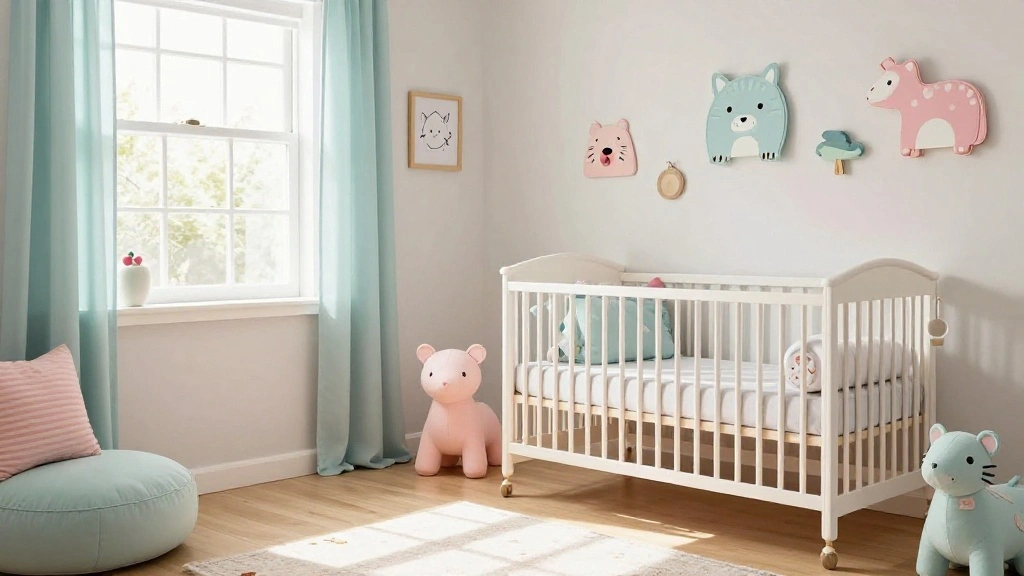
What colors should I avoid in a baby’s room? When decorating your baby’s room, it’s best to steer clear of overly bright or dark colors. Bright colors like neon shades can be overstimulating and may disrupt a baby’s sleep. Similarly, dark colors can absorb light, making the room feel smaller and less inviting. Instead, focus on lighter shades that enhance the feeling of openness and calm.
How does color affect a baby’s mood? Color can profoundly influence a baby’s mood and emotional state. Calming colors promote relaxation and help soothe babies, while brighter colors can energize them. By selecting soft, muted tones, you create an environment conducive to peaceful sleep and a positive disposition.
Can I mix colors in the nursery? Yes! Mixing colors can add visual interest to your baby’s room. It’s important to maintain a balance. Use calming primary colors as a base and then incorporate brighter accents in moderation. This way, you can keep the room tranquil while still allowing for some playful elements.
What are some popular color themes for nurseries? Popular themes include pastel palettes, nature-inspired colors, and monochromatic schemes. Pastel colors are favored for their soothing qualities. Nature-inspired colors like soft greens and browns can create a peaceful environment. Monochromatic schemes can also be calming if done in softer shades.
How often should I change the color scheme? Babies grow and change rapidly, and their preferences may shift as they develop. It’s not necessary to repaint frequently, but consider updating the color scheme when your child transitions to a toddler room. This will reflect their growing personality while still keeping the space calming.
What is the best way to introduce color in the nursery? Start with a neutral base and add color through accessories such as blankets, toys, or wall art. This allows you to change the room’s vibe easily without committing to a full paint job. It’s also an effective way to test out colors to see how they impact the nursery’s atmosphere.
Are there color combinations to avoid? Yes, it’s generally advisable to avoid combinations that clash or create visual confusion. For example, pairing very dark colors with bright neon shades may create an unsettling contrast. Stick to complementary colors that work well together to maintain a harmonious space.
Should I consider the room’s lighting when choosing colors? Absolutely! Lighting can greatly affect how colors appear in a room. Natural light can soften colors, while artificial light can alter their tone. Be sure to test colors in different lighting conditions to see how they change throughout the day.
Conclusion
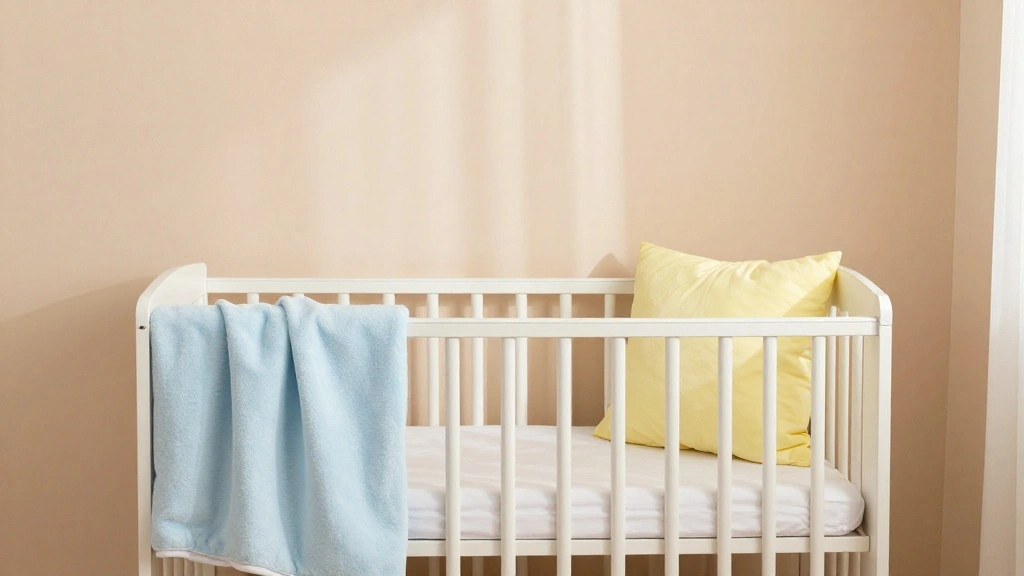
In conclusion, choosing the right colors for your baby’s room is essential for creating a peaceful and calming environment. Opt for soft, muted tones that promote relaxation and sleep, such as pale blue, soft green, and gentle lavender. Incorporate warm neutrals to create a cozy atmosphere, and feel free to add playful accents in brighter shades to stimulate joy without overwhelming your little one.
As you decorate, remember that the goal is to create a nurturing space that supports your baby’s development and well-being. With the right colors, you can transform the nursery into a serene haven where your baby can thrive and sleep soundly.

I've spent years obsessing over the details that make a house feel like a home — from the perfect bedding layers to a thoughtfully styled coffee corner. My focus is on modern, aesthetic home decor ideas that are beautiful, trend-aware, and actually achievable. Great style shouldn't require a big budget — just the right inspiration.
Follow on Facebook