


Creating a cozy and safe space for your little ones is a priority for many parents, especially when it comes to choosing furniture. With a growing awareness of eco-friendliness and health, the demand for eco-friendly kids’ furniture materials is on the rise. You might be wondering how to create a beautiful yet safe environment that your kids can play and grow in. That’s why I’ve compiled this list of 15 eco-friendly and non-toxic furniture materials for children.
If you’re a parent or guardian who cares about sustainability and the health of your child, this guide is perfect for you. You want to make choices that are not just stylish but also safe for your little ones. You care about the long-term well-being of your kids and want to avoid harmful chemicals that can be found in traditional furniture. With this list, you can confidently select sustainable furniture materials that promote green living and ensure your child’s room is a sanctuary of comfort and safety.
In this post, you’ll discover a variety of materials that are not only non-toxic but also stylish and functional for children’s room decor. Whether you’re redecorating a playroom or looking to furnish a nursery, you’ll find options that fit your needs. From organic cotton to reclaimed wood, each material is chosen for its environmental benefits and safety. Let’s dive into these fantastic options so you can make informed decisions for your child’s space!
Key Takeaways
– Explore a range of eco-friendly kids’ furniture materials that are safe for children and the environment.
– Discover how materials like organic cotton and bamboo can enhance both comfort and sustainability in your child’s room.
– Learn about reclaimed wood and its benefits in reducing waste and providing a unique aesthetic.
– Understand the importance of choosing low-VOC paints to minimize chemical exposure in your home.
– Get practical insights on sourcing non-toxic materials to ensure your child’s play area is both beautiful and safe.
Recommended Products

Pure Organic Comfort: Experience the luxurious comfort of our Lane Linen bed sheets for twin bed, meticulously crafted from OEKO-TEX certified 100% Organic Cotton. The crisp percale weave provides a hotel-quality feel—soft, yet durable—offering breathability and supreme comfort.

WHAT MAKES IT SPECIAL - Our Twin Sheet Set Includes 1 x Fitted Sheet - 40” x 75” + 14” (Pocket) Ideal for Twin Size Mattresses and 1 x Pillowcase - 20” x 30 - It is dreamy soft & hypoallergenic for your child's comfort through the night. Better still, it’s GOTS certified, meaning it’s woven from the purest materials and free of harmful chemicals & toxins. Important Note: This product includes only the fitted sheet with pillowcase.

Kids' Twin-size bed sheet set with Navy Stripe print includes a flat sheet, fitted sheet, and pillowcase
1. Organic Cotton

Organic cotton is a foundational element for nurturing kids’ spaces. Grown without harmful pesticides or synthetic fertilizers, this material is incredibly safe and delightfully soft, making it perfect for bedding, cushions, and curtains. Its breathable qualities ensure your child feels comfortable while they play or sleep, creating a cozy atmosphere. The versatility of organic cotton allows for a range of vibrant patterns and colors that can seamlessly blend with any decor style.
To maximize your use of organic cotton, look for certified items like those bearing the GOTS (Global Organic Textile Standard) label to guarantee genuine organic quality. You can find budget-friendly options at local markets or online retailers specializing in eco-friendly products.
Consider these practical tips:
– Use organic cotton for bedding and curtains to enhance comfort.
– Choose fun patterns to spark your child’s creativity.
– Check for fair trade certifications to support responsible sourcing.
Investing in organic cotton not only benefits your child’s health but also contributes to a more sustainable planet!
Recommended Products
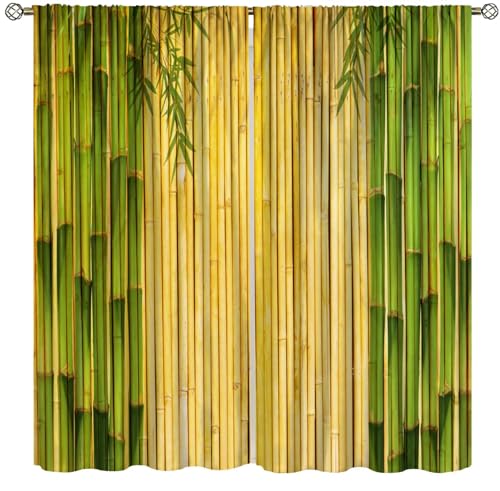
Size:Includes 2 Blackout Curtains, The Total Length Of The 2 Pieces Is 42 Inches In Width And 45 Inches In Length. These Curtains Feature An Innovative Rod Pocket Design For Easy Installation And Smooth Sliding.

Elegant Boxter Striped Curtains: With two panels in 50"W x 84"L, our curtains feature classic stripes to add a modern touch to your home decor, adding an elegant and stylish feel to your room

Easy to Install: This set comes with 2 curtain panels, each 50" wide and 84" long—giving you full coverage of 100" W x 84" L. Add a pair of blackout liners for extra darkness
📹 Related Video: 6-Earth Day Upholstery Project – Building Up the Inside Back with Organic Cotton + Wool Battings
2. Bamboo

Bamboo stands out as a sustainable choice for furniture materials, thanks to its rapid growth and minimal water needs. This renewable resource is exceptionally strong and can be crafted into durable furniture pieces, perfect for kids’ rooms. Its natural antimicrobial properties ensure a clean and safe environment for your little ones to thrive.
When considering bamboo, it’s essential to verify the processing methods to maintain its eco-friendly status. Look for local suppliers or online stores that focus on sustainable products to find great options.
Here are some ideas for incorporating bamboo:
– Use bamboo for beds and tables to add natural charm.
– Pair it with bright textiles to create a lively atmosphere.
– Install bamboo shelving for practical storage solutions.
Bamboo combines a stylish aesthetic with environmental benefits, making it an ideal choice for any child-friendly space.
Recommended Products
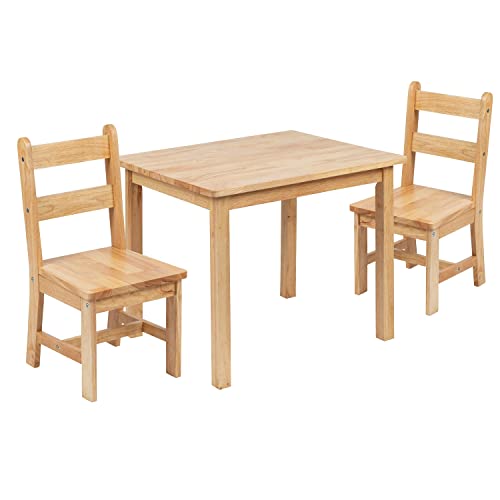
Reclaim your kitchen, dining room or coffee table and give your children a space that is all their own with this wood table and chair set recommended for ages 5-7.

★Dimensions: 11.4”D x 11.4”W x 21.25”H, Weight: 7Lbs, NO assembly required-ready to use when delivered.

COMPLETE KITCHEN SETUP FOR DOLLHOUSE PLAY - Including essential kitchen elements for cooking and preparation, this set allows children to create a functional kitchen space within their dollhouse, helping them recreate familiar home environments and engage in meaningful, everyday scenarios through structured interaction.
Key Trade-offs & Our Top Pick
Option 1: Organic Cotton
– Pros:
– Hypoallergenic and gentle on sensitive skin.
– Breathable and comfortable for children’s use.
– Cons:
– Can be more expensive than synthetic materials.
– Limited durability compared to some other options.
– Best for: Kids’ bedding and soft furnishings where comfort is a priority.
Option 2: Bamboo
– Pros:
– Naturally antibacterial and resistant to odors.
– Sustainable due to fast growth rates.
– Cons:
– Can be prone to scratching if not treated properly.
– Availability may vary, limiting some options.
– Best for: Furniture surfaces, flooring, and accessories that need to withstand wear.
Option 3: Reclaimed Wood
– Pros:
– Unique character and history, making each piece one-of-a-kind.
– Reduces waste by repurposing old materials.
– Cons:
– May require more maintenance to prevent splintering.
– Can be heavy and challenging to move or assemble.
– Best for: Statement pieces like tables or shelves that add character to a child’s room.
Option 4: Low-VOC Paints
– Pros:
– Reduces harmful emissions, making it safer for indoor air quality.
– Available in a wide range of colors and finishes for creative expression.
– Cons:
– Requires proper application techniques to achieve a smooth finish.
– Can be more costly than traditional paints.
– Best for: Creating a colorful environment on furniture or walls while ensuring safety.
Option 5: Natural Rubber
– Pros:
– Durable and resilient, perfect for active play areas.
– Non-toxic and safe for children to touch and use.
– Cons:
– Can have a strong odor when first opened.
– Some children may have allergies to latex.
– Best for: Play mats and cushioning in children’s playrooms.
Expert Recommendation:
Best Overall: Bamboo
Bamboo is our top pick for eco-friendly kids’ furniture materials. Its sustainable nature and antibacterial properties make it ideal for children’s environments. Plus, its versatility allows it to be used in various forms, from flooring to furniture. You can enjoy peace of mind knowing you’re making a responsible choice while providing a stylish and functional space for your little ones.
Why We Picked This:
We chose bamboo as the best overall option because it balances sustainability and functionality well. However, you might prefer organic cotton for its softness or reclaimed wood for its uniqueness. Each material has its strengths, so it’s essential to consider your specific needs and your child’s lifestyle when making a decision. Regardless of your choice, you’ll be contributing to a healthier, safer living space for your family!
Recommended Products
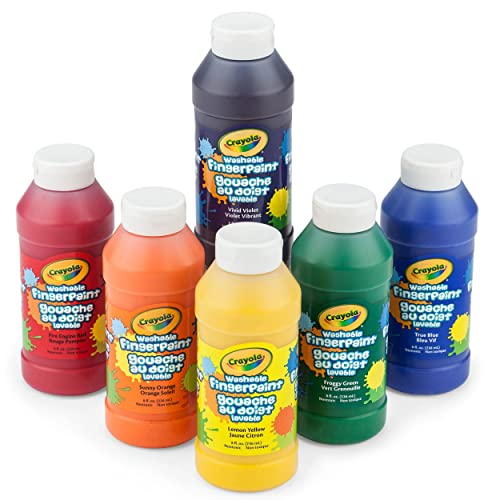
CRAYOLA FINGER PAINTS: This set of washable finger paints for kids includes 8oz bottles in six lively shades: Blue, Yellow, Orange, Green, Violet, and Red.

CLASSIC COLORS: Washable Kids’ Paint in six different colors: blue, violet, green, red, yellow, orange. Crayola Washable Kids' Paint does not drip readily from brushes & does not separate, making it freeze-thaw stable & assuring consistent performance.
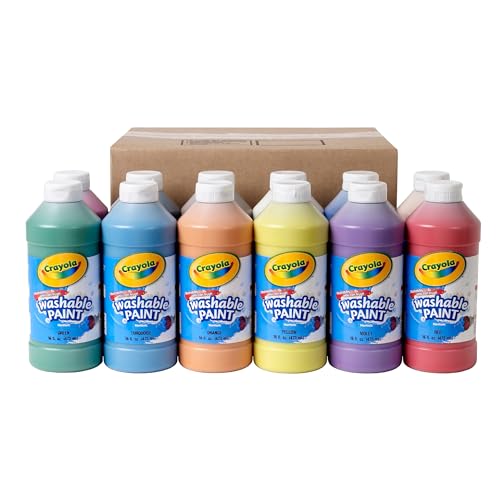
CRAYOLA PAINT SET FOR KIDS: The set includes 12 different vibrant colors in 16-ounce, easy squeeze paint bottles.
3. Reclaimed Wood

Reclaimed wood adds character and sustainability to children’s rooms. Each piece has a unique history, often sourced from old barns or buildings, which not only reduces waste but also infuses your child’s space with rustic charm. This material is perfect for constructing beds, tables, and shelving, providing warmth and texture to your decor.
Using reclaimed wood minimizes the need for new timber, thus reducing your carbon footprint. Always choose items that have been treated properly to ensure safety for your family.
Consider these tips for reclaimed wood:
– Use it for beds, dressers, and shelving to add warmth.
– Look for pieces that maintain a natural finish for authenticity.
– Incorporate multiple wood tones for added interest.
Reclaimed wood is not only beautiful but also a sustainable choice, breathing new life into old materials while creating a cozy environment.
Did you know reclaimed wood in eco-friendly kids furniture materials can cut deforestation impact by up to 80% compared to new timber? Each reclaimed plank carries a story and saves energy from milling. For kids’ rooms, it brings warmth and sustainability without toxins.
Recommended Products

Comfortable Support - Pressure-relieving memory foam conforms to the shape of your body while enhancing circulation and decreasing stress on your joints. The all-natural green tea to help keep your mattress fresh for many nights to come.

Healthy Support: GREENGUARD Gold certified crib mattress; Tested for low chemical emissions; Creates a cleaner sleeping environment for newborns and infants; Meets stringent safety standards; Pediatrician recommended design
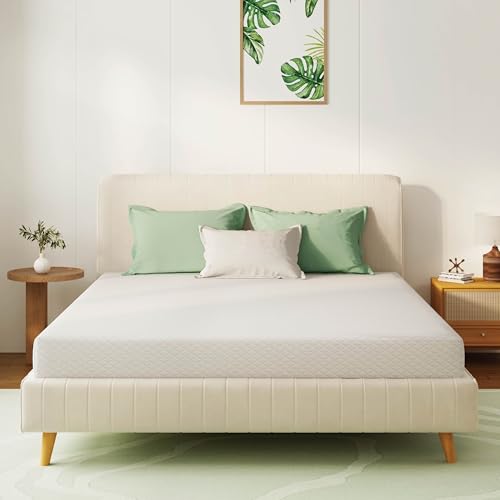
Comfortable Support - Pressure-relieving memory foam conforms to the shape of your body while enhancing circulation and decreasing stress on your joints. The all-natural green tea to help keep your mattress fresh for many nights to come.
4. Natural Fibers

Natural fibers such as jute, sisal, and hemp are becoming popular choices in children’s decor. These materials can be used in rugs, curtains, and even furniture, providing a biodegradable option that adds warmth and texture to the room. For example, a jute rug creates a cozy play area while being durable enough to withstand everyday wear.
When selecting natural fiber items, ensure they feature non-toxic dyes and finishes for safety. You can find these materials at local craft stores or sustainable home goods retailers.
Here are some ways to use natural fibers:
– Incorporate jute rugs for a durable and stylish play area.
– Use hemp for upholstery to blend sturdiness with comfort.
– Layer natural fiber curtains for a soft touch.
Bringing natural fibers into your child’s space creates a connection to nature, ensuring a grounded and inviting atmosphere.
Recommended Products

ORGANIC COTTON: Made with 100% organically grown cotton | Organic cotton is better for baby and the environment because it’s grown without harmful synthetic pesticides and fertilizers | Soft and breathable to keep sensitive skin irritation free

CERTIFIED & SAFE ORGANIC COMFORTER - Playful and modern, these blankets are a great selection to bring a little bit of luxury to a nursery or bedroom. They’re super soft and luxurious against baby’s skin – using premium organic cotton to create a safe, comfortable environment that will keep baby snug all year long.

Premium Materials - The baby infant sleeping bag for winter is made of organic cotton, camel wool and polyester. This product composition ensures the sleeping bag is durable, soft, and retains its softness over time. It is machine washable in cold water (<40°C) on a gentle cycle, with low-heat drying, and can withstand millions of wash cycles with less than 2% shrinkage after washing and drying at <30°C (86°F).
5. Low-VOC Paints

Low-VOC (Volatile Organic Compounds) paints are essential when creating a safe environment for children. Conventional paints can release harmful fumes, but low-VOC options significantly reduce these emissions, ensuring healthier indoor air quality. Available in a wide variety of colors and finishes, these paints allow you to personalize your child’s room while prioritizing safety.
When choosing paints, always look for certification labels and allow adequate time for curing before letting your child enter the room. You can find these paints at local hardware stores or eco-friendly paint suppliers.
Consider these practical tips:
– Use low-VOC paints for walls and furniture to enhance safety.
– Test color samples to find the perfect shade for your child’s space.
– Choose lighter tones to make the room feel larger and brighter.
Choosing low-VOC paints is a simple yet impactful way to create a healthier living environment for your little ones.
6. Cork

Cork is an underrated eco-friendly material that deserves attention. Sourced from the bark of cork oak trees, it is renewable and biodegradable, making it a sustainable choice for various applications. Cork is excellent for flooring, wall coverings, and even furniture, offering natural cushioning and sound absorption that creates a safer play environment.
Using cork helps reduce noise and provides warmth underfoot, ideal for children’s spaces. Always ensure that cork products are sourced responsibly to maximize their environmental benefits.
Here are some ways to incorporate cork:
– Use cork flooring for a soft, forgiving surface.
– Choose cork furniture for a unique touch and durability.
– Install cork wall panels for added insulation and style.
Incorporating cork into your decor creates a serene atmosphere while being kind to the planet.
Cork is a game changer for eco-friendly kids furniture materials. It’s renewable, biodegradable, and cushions little feet—perfect for playrooms. Use cork flooring or wall coverings to cut noise and warm every space, making sustainable choices easy for families.
7. Plywood

Plywood, especially when sustainably sourced, is a versatile choice for eco-friendly furniture. Offering both durability and lightweight properties, plywood is perfect for children’s furniture, from tables to shelves. Its natural grain can be showcased in various designs, adding an aesthetic appeal to your child’s room.
Plywood is easy to maintain; it can be sanded and refinished over time, making it a practical option. Be sure to select formaldehyde-free plywood to ensure a safe environment for your little ones.
Here are some ideas for using plywood:
– Create tables and shelves that highlight its beautiful grain.
– Opt for play structures made from plywood for a safe experience.
– Choose laminated plywood for added protection and easy cleaning.
This material combines functionality with a modern look, making it ideal for any kids’ room.
Recommended Products

KIDS PAINT SET: Features 5 Washable Spill Proof Paints in Reusable Jars, and 1 Brush.

Kids washable paint - kids paint set supplies includes 6 vibrant washable kids paint colors - each bottle includes 2 oz of paints for kids, making this the ultimate tddler painting set for kids of all ages.

Mess-Free, Truly Washable Formula – Designed for worry-free creativity, this paint for toddlers and kids rinses off skin, clothes, tables, and walls with just soap and water, so parents and teachers enjoy stress-free painting time with zero stain anxiety and faster cleanup.
8. Biodegradable Plastics

Biodegradable plastics represent a revolutionary option for children’s furniture and toys. These materials break down more quickly than traditional plastics, significantly reducing environmental impact. Made from plant-based resources, they come in various engaging colors and shapes, perfect for inspiring creativity in kids.
When selecting biodegradable products, ensure they are clearly labeled and check the breakdown timeline for the best environmental benefits. You can find these items at eco-friendly stores or online retailers.
Consider these ideas for incorporating biodegradable plastics:
– Use them for storage containers to keep spaces organized.
– Choose colorful toys made from biodegradable plastics to spark joy.
– Incorporate furniture components crafted from this material for a modern look.
Incorporating biodegradable plastics fosters an eco-conscious mindset from an early age, encouraging kids to care for their planet.
Recommended Products

Instant All-purpose Stain & Odor Remover is the go-to solution for household stains & odors.
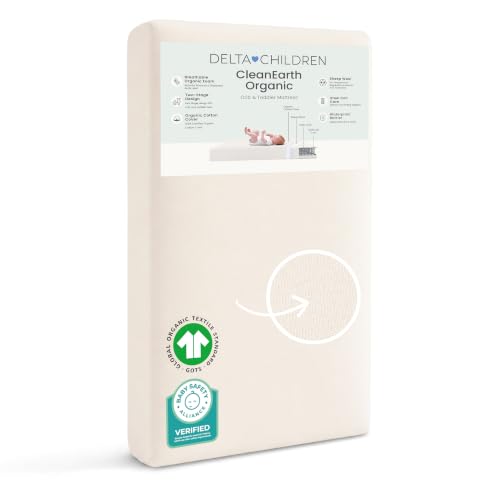
CERTIFIED ORGANIC: Made with certified organic materials, this fully GOTS-certified crib mattress ensures the healthiest sleep environment for your baby

Real-Life Messes: Made for deep-set stains, odors and everyday chaos
9. Natural Rubber

Natural rubber is an excellent alternative for furniture and toys, offering durability and flexibility. Sourced from rubber trees, it is biodegradable and free from harmful chemicals, making it a safe choice for play mats, furniture, and toys. This material provides a comfortable foundation for children to explore their creativity.
Always look for products specifically labeled as 100% natural rubber to avoid synthetic additives. The flexibility of natural rubber ensures comfort while being resilient against wear and tear, making it perfect for active play.
Consider these applications for natural rubber:
– Use it for play mats to create safe play areas.
– Choose soft furnishings made from natural rubber for added comfort.
– Incorporate colorful toys to engage and excite kids.
Natural rubber combines fun with environmental responsibility, allowing children to enjoy their playtime while caring for the planet.
10. Wool

Wool is a remarkable sustainable material that is perfect for children’s rooms. Naturally flame-resistant and hypoallergenic, it is an ideal choice for bedding, blankets, and rugs. Wool also acts as an excellent insulator, keeping kids warm in winter and cool in summer, enhancing their comfort throughout the year.
Opt for organic wool from farms that prioritize animal welfare and avoid harmful pesticides. Additionally, wool is biodegradable, ensuring it won’t contribute to landfill waste over time.
Here are some ways to incorporate wool:
– Use it for cozy bedding to ensure a restful night.
– Add rugs made from wool for warmth and softness.
– Choose wool toys to provide safe and comforting play options.
Adding wool to your child’s decor is a practical and stylish way to embrace sustainability while ensuring comfort and safety.
11. Linoleum

Linoleum is an eco-friendly flooring option crafted from natural materials such as linseed oil, cork dust, and wood flour. This durable and easy-to-clean material is naturally antibacterial, making it perfect for children’s play areas. Available in a wide range of colors and patterns, linoleum allows you to create playful designs that can enhance your child’s creativity.
Unlike vinyl flooring, linoleum is biodegradable, providing an environmentally responsible choice for parents. Be sure to ensure proper installation for longevity and optimal performance.
Here are some practical tips for using linoleum:
– Choose it for flooring to create a safe and cheerful play area.
– Use bright colors to stimulate creativity and joy.
– Consider patterns that can spark imagination and playfulness.
Linoleum beautifully combines functionality with environmental friendliness, making it a fantastic choice for children’s spaces.
12. Felt

Felt, made from natural fibers such as wool, is soft, safe, and versatile for children’s decor. This material can be utilized in various applications, including toys, wall hangings, and furniture upholstery. Felt is easy to clean and maintain, making it ideal for a child’s room, while its sound-absorbing qualities help create a quieter play area.
When choosing felt items, look for those made from 100% natural fibers to ensure safety and comfort. You can find felt products at craft stores or online retailers focused on sustainable materials.
Consider these uses for felt:
– Create soft toys that are safe for little hands.
– Use it for colorful wall decor to inspire creativity.
– Incorporate felt cushions for added comfort and warmth.
Felt brings warmth and texture into a child’s playroom, fostering a cozy environment that encourages imagination.
13. Metal (Recycled Aluminum and Steel)

Recycled metals, like aluminum and steel, can be crafted into stunning furniture pieces and accents. Utilizing recycled metal reduces waste and energy consumption compared to producing new metal. Items such as stools, beds, and shelving units made from recycled metals offer durability while providing a modern aesthetic.
Always ensure that any finishes on metal products are non-toxic to keep your child’s environment safe. The strength of metal also means it can endure the rigors of play, making it a practical choice.
Consider these applications for recycled metals:
– Use them for sturdy furniture frames that last.
– Incorporate metal light fixtures for a stylish touch.
– Pair metal decor with warm woods for a balanced look.
Incorporating recycled metals adds a contemporary edge to your child’s room while promoting sustainability, teaching kids the importance of caring for the environment.
Fun fact: eco-friendly kids furniture materials like recycled aluminum and steel save up to 95% energy vs new metal. Choosing furniture made from recycled metals reduces waste and keeps kids’ play spaces durable with a modern vibe.
14. Paper Composite

Paper composite materials, crafted from recycled paper and resin, offer a lightweight and sustainable option for kids’ furniture. This material can be molded into various shapes, making it fun and innovative for furniture design. It’s non-toxic and often comes in vibrant colors, perfect for sparking creativity in young minds.
Ensure the products you choose are made with high-quality resins for durability and safety. Ideal for tables and seating, paper composite furniture is a smart choice for eco-conscious families.
Here are some ways to use paper composite:
– Create tables and stools that are both fun and functional.
– Incorporate storage solutions made from this material for organization.
– Choose bright shades to create a lively and engaging space.
Paper composite beautifully blends creativity with sustainability, ensuring a fun and safe environment for children to thrive.
15. Eco-Friendly Upholstery

Eco-friendly upholstery materials, including organic cotton, hemp, and recycled fabrics, provide safe options for furniture upholstery. These materials are often free from harmful chemicals and dyes, contributing to a healthier environment for children. Look for upholstered items that guarantee durability while maintaining a commitment to sustainability.
Furnishing your child’s space with eco-friendly upholstery can create a cozy and inviting atmosphere, allowing for easy cleaning and maintenance. You can find these options at specialized furniture retailers or online eco-friendly stores.
Here are some ideas for incorporating eco-friendly upholstery:
– Use organic cotton for sofas and chairs to ensure comfort.
– Select vibrant patterns to keep the decor lively and engaging for kids.
– Choose cushions made from recycled fabrics for added sustainability.
Eco-friendly upholstery helps create a nurturing space where children can play and learn with peace of mind.
Conclusion

Choosing eco-friendly kids’ furniture materials is not just a trend; it’s a way to cultivate a safe, sustainable environment for your children. By selecting materials like organic cotton, bamboo, and recycled metals, you’re not only making thoughtful choices for your child’s room decor but also contributing to a greener planet.
As you embark on this journey of creating a beautiful, functional space for your little ones, remember that every small step counts. Embrace these sustainable practices and inspire the next generation to care for the world around them.
Frequently Asked Questions
What are the best eco-friendly materials for kids’ furniture and how can I identify non-toxic options?
For eco-friendly kids furniture materials, start with solid wood from FSC-certified forests, finished with water-based, non-toxic coatings. Bamboo and cork are durable, renewable options that add a warm look to a child’s room.
For cushions and padding, choose natural fibers like organic cotton, wool, or latex-free foams labeled non-toxic. Avoid particleboard and MDF with formaldehyde—look for GREENGUARD Gold or CARB certification and request full material disclosures.
Always check labels and ask manufacturers about finishes and adhesives to ensure truly non-toxic options for safe home furnishings, children’s room decor, and green living.
How can I verify safety certifications when shopping for non-toxic furniture for kids?
Start with the big certifications: FSC for wood sourcing, GREENGUARD Gold for low chemical emissions, and CARB Phase 2 compliance for composites.
Read product labels, ask for a complete material list, and request third-party test results or a Declaration of Conformity.
Prefer textiles with OEKO-TEX or GOTS certification for safe upholstery, and ask about adhesives and finishes—look for low-VOC, water-based options to ensure safe home furnishings for your kids.
Is sustainable furniture more expensive, and is it worth the investment for a kids’ room?
Yes, the upfront cost can be higher, but durable materials like solid wood or bamboo often last longer and can be repaired rather than replaced.
Look for modular pieces that grow with your child, which reduces the need to buy new furniture later.
When you factor in lifecycle costs, warranties, and the option to buy secondhand or refurbished, sustainable options can be budget-friendly and support sustainable furniture and green living goals.
What practical steps can I take today to create a green, non-toxic play space for children?
Start by swapping old, low-toxicity pieces for solid wood or bamboo with water-based finishes and choosing a low-VOC paint for walls.
Choose washable fabrics in natural fibers (organic cotton, wool) for curtains, rugs, and cushions, and use non-toxic dyes or dyes with OEKO-TEX certification.
Organize with sustainable storage (fabric bins, baskets) and keep plastics to a minimum; this keeps the space safe and easy to clean, aligning with green living and safe home furnishings in the kids’ room decor.
Which materials work best for common kids’ furniture pieces to stay eco-friendly and non-toxic?
Beds: choose a solid wood frame (prefer FSC or reclaimed wood) with a low-VOC finish; avoid MDF or particleboard with formaldehyde.
Desks: go with bamboo or solid wood and a water-based finish.
Storage: select solid wood or bamboo shelving or fabric bins with non-toxic dyes; Seating: choose cork or wood with non-toxic finishes; Tables: opt for bamboo plywood or solid wood with a water-based finish.
Mattresses: pick organic cotton covers and a natural latex core. These choices keep you aligned with eco-friendly kids furniture materials and non-toxic materials in safe home furnishings.
Related Topics
eco-friendly furniture
non-toxic materials
children's room decor
sustainable living
green home furnishings
playroom design
safe kids furniture
natural materials
child-friendly decor
budget-friendly options
DIY kids furniture
environmentally conscious

I've spent years obsessing over the details that make a house feel like a home — from the perfect bedding layers to a thoughtfully styled coffee corner. My focus is on modern, aesthetic home decor ideas that are beautiful, trend-aware, and actually achievable. Great style shouldn't require a big budget — just the right inspiration.
Follow on Facebook