
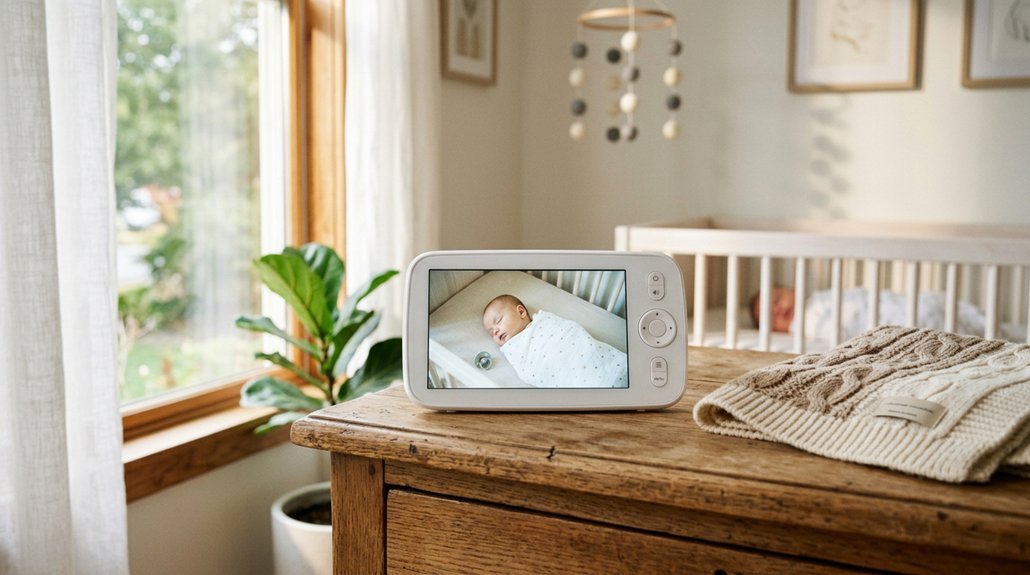


You should start your nursery at 28 to 30 weeks pregnant. This gives you enough time to order furniture, handle shipping delays, and assemble everything without rushing.
You’ll want the crib positioned first, then add a glider about 3 feet from a window for natural light. A changing station needs 10 to 15 diapers within arm’s reach, plus wipes and cream in a top drawer.
But timing is only the first piece. The real challenge is making one room work from newborn through toddler years, and doing it without blowing your budget on gear you’ll barely use.
When to Start Your Nursery Setup (28–30 Weeks)
Around week 28, you’ll want to start setting up your nursery, since this timing hits a sweet spot for most expectant parents. You’re still in the second trimester, so you’ve got more energy and comfort for moving furniture, hanging shelves, and anchoring furniture to the walls.
Starting at 28–30 weeks gives you buffer time for shipping delays, and you’ll still be ready before your baby’s arrival, even if they come early. New cribs, rugs, and textiles need time to air out/off-gas, and this window lets that happen naturally.
You’ll also spend a lot of time planning your changing station and comfort zones, not just buying in a panic. Plus, finishing early makes it easier to fold in baby shower gifts without redoing your whole Perfect Nursery layout.
Recommended Products

TIMELESS, CLEAN DESIGN— VERSATILE, EASY-TO-MATCH STYLE: The Graco Hadley 5-in-1 Convertible Crib and Changer with Drawer features clean lines, timeless details, and an easy-to-match versatile design making it the perfect addition to any nursery
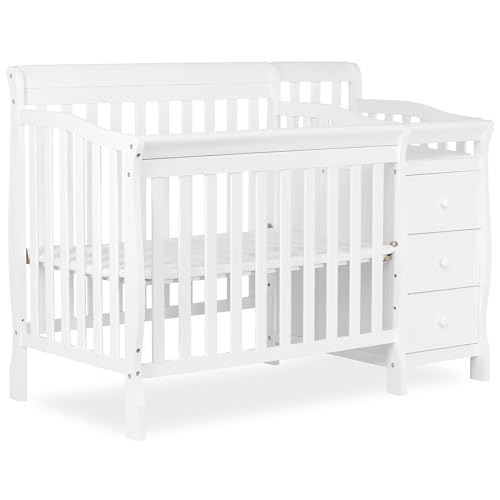
ALL-IN-ONE NURSERY, MINI FOOTPRINT: Crib, changing station, and three storage drawers in one piece, measuring 53.78"Lx27.56 "W x 39.76"H. Full nursery functionality without full nursery square footage. Sized for apartments, smaller nurseries, and shared spaces.

5-IN-1 CONVERTIBLE CRIB: Converts from baby crib (mattress sold separately) to toddler bed (toddler guardrail sold separately), daybed, and full-size bed with headboard & optional footboard (conversion kit sold separately); Assembly required
Three Layout Changes That Grow With Your Baby (0–36 Months)

Three Layout Changes That Grow With Your Baby (0–36 Months)
Your nursery layout will often need to shift as your baby grows, since what works for a sleepy newborn won’t suit a busy toddler.
From 0–4 months, build your nursery layout around the crib, changing table, and glider. You’ll cut steps during those late-night feeding, diapering, and settling loops.
From 5–12 months, clear a central play zone for rolling and crawling. Anchor dressers/bookshelves to walls, and keep that changing area stocked with diapers, wipes, and creams right at hand.
From 12–36 months, swap the crib for a toddler bed, carve out a reading nook with a low bookshelf and small comfortable chair, and add an activity corner with child-sized seating.
To keep your nursery layout working smoothly through every phase, follow these tips:
- Position the glider within arm’s reach of the crib for easy transfers
- Store changing supplies on, not near, the changing table surface
- Mount dressers/bookshelves securely before baby crawls
- Build your reading nook at toddler eye level for independent browsing
- Remove the glider and changing table once potty training starts
1,000 Nursery Budget: What to Buy, Borrow, or Skip
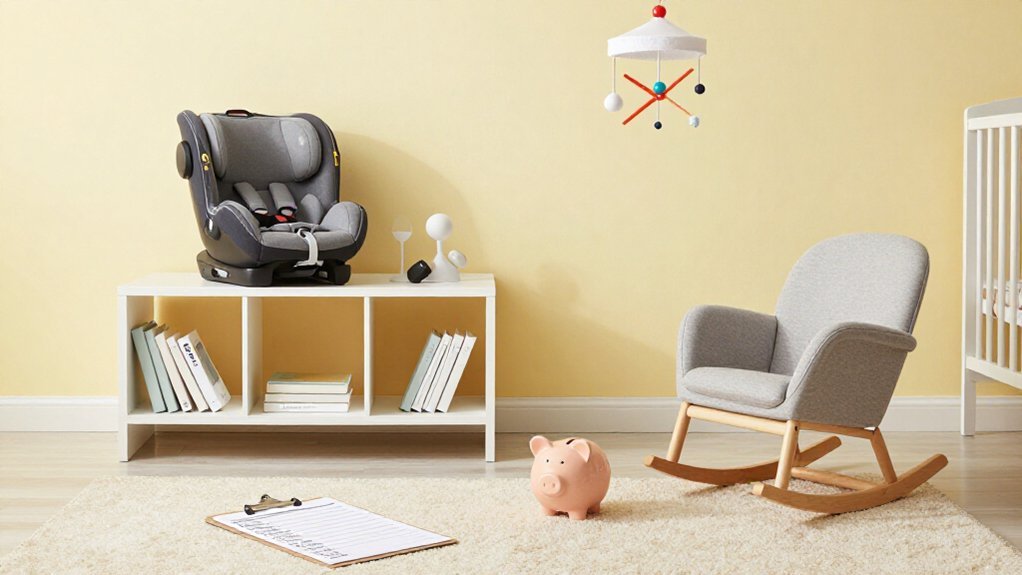
While you can easily drop $5,000 on a picture-perfect nursery, you’ll get everything you actually need for about $1,000 if you’re smart about what matters.
So, how much does it cost to set up a nursery you actually use? You can hit a $1,000 nursery budget by focusing on the crib, mattress, crib sheets, and a changing pad. Buy the crib and mattress new for safety, and borrow or skip the rest when possible.
Skip the change table if space is tight; a changing pad on a dresser works fine. Fancy baby bedding and complete bedding sets inflate cost without adding value. Instead, grab two fitted crib sheets and wearable blankets.
For decor, pick flexible items like a simple lamp and neutral textiles you’ll reuse later.
Recommended Products

Easy-to-Clean Surface: Our changing table pad features wipeable material so it’s simple to clean up after diaper changes (plus, no need for changing covers means less laundry) Even better? it won’t absorb liquids or odors

Waterproof & Wipe-clean - Unavoidable mess and frequent laundry? Oh, no worries! Our contoured changing pad features a waterproof PU surface that wipes clean in seconds, ensuring a fresh and hygienic surface for your next diaper change. Fewer cover changes and less laundry make parenting easier
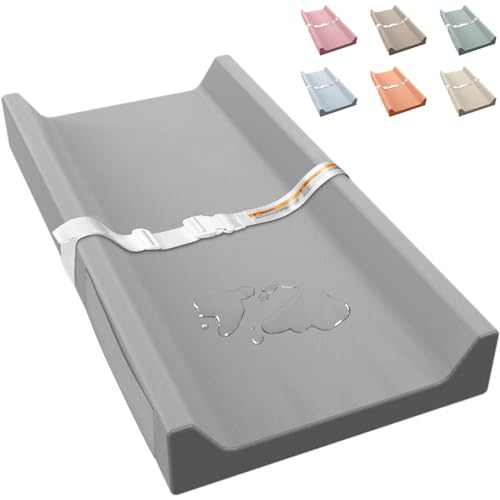
HIGH QUALITY FABRIC: Made of durable and easy to clean PU leather material. This changing pad features a waterproof and wipeable surface that resists liquids, stains and odors, keeping your baby's space hygienic with minimal effort

I've spent years obsessing over the details that make a house feel like a home — from the perfect bedding layers to a thoughtfully styled coffee corner. My focus is on modern, aesthetic home decor ideas that are beautiful, trend-aware, and actually achievable. Great style shouldn't require a big budget — just the right inspiration.
Follow on Facebook