
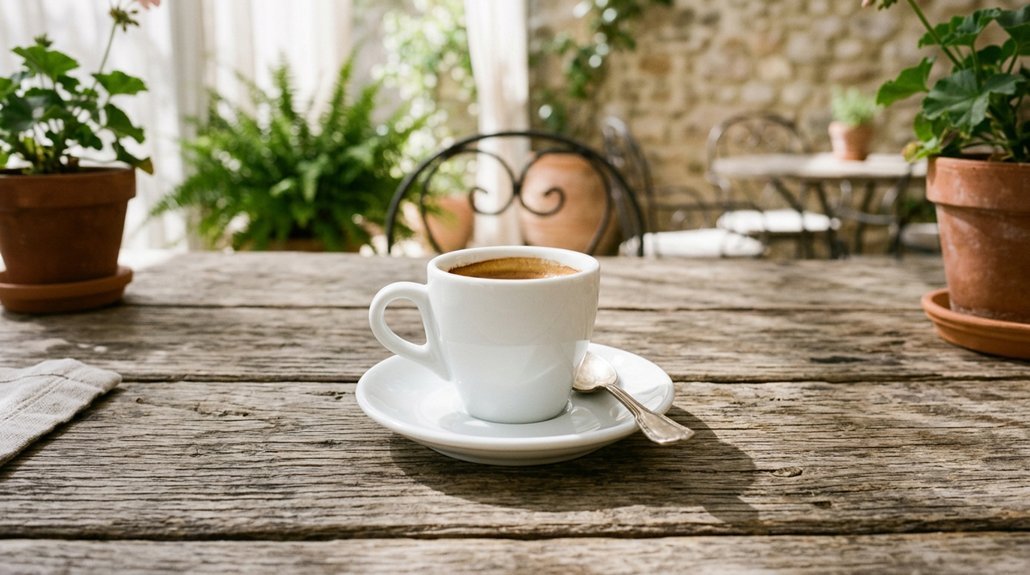


You might think white espresso contains milk, but the “white” actually refers to the beans. Coffee roasters stop the heat at 325°F, which is before the beans turn brown or crack. This leaves you with pale, dense beans that need serious pressure to extract properly.
The result tastes nutty and mild, not harsh or bitter like dark roasts. You’ll want to keep an eye on your grinder, though, since these beans can cause damage.
What Is White Espresso?
White espresso is an espresso shot pulled from ultra-lightly roasted beans, dropped at about 325°F (163°C) before first crack, so they never develop the usual darker roast character. You’ll notice the beans stay pale, beige or tan, because roasting stops so early. The name “white” comes from this remaining pale color, plus the lighter golden-tan look of the finished shot.
Since you’re working with harder, denser beans, grinding demands more effort, and you’ll often need commercial grinding equipment to achieve the right espresso grind. Your caffeine content runs higher with white espresso, around 90 to 110 milligrams per single shot, compared to roughly 60 to 70 milligrams in dark roasts. The minimal roasting preserves more caffeine.
You’ll also pick up a nutty flavor, slightly sweet and earthy, with very little bitterness throughout.
Recommended Products

Certified Organic: This whole bean coffee is certified 100% USDA Organic and NON GMO, grown and processed without the use of dangerous chemicals for your health and the environment.

Light roast with a crisp and clean flavor

Light roast with a crisp and clean flavor
Why White Espresso Tastes Nutty Instead of Bitter
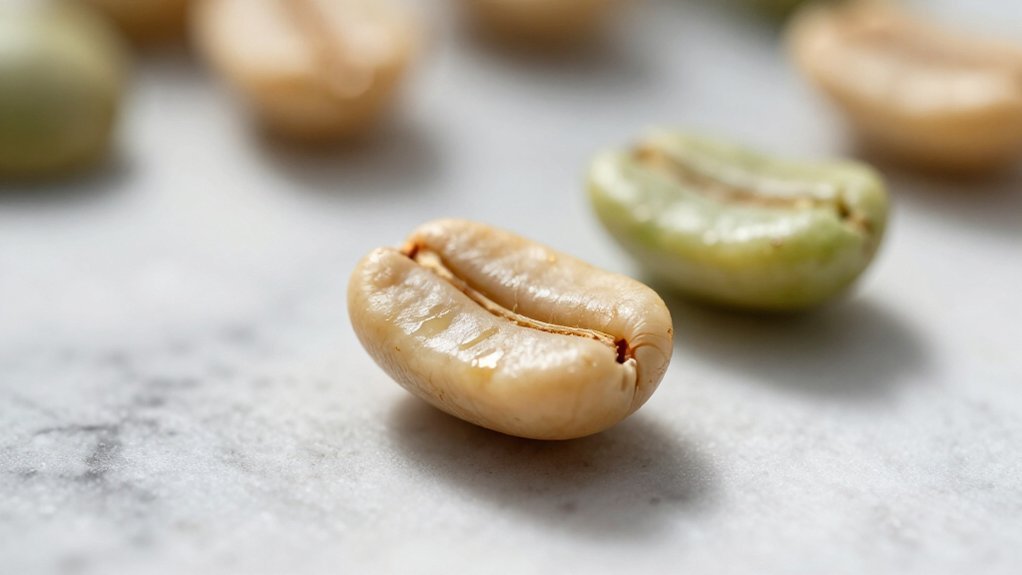
Because the beans are pulled from the roaster at just 325°F, well before first crack, they never reach the point where harsh, bitter flavors develop. White coffee is roasted at a much lower temperature than standard beans, so you skip the deep browning that creates bitterness.
You get a dense, earthy bean that extracts into flavors like oat, peanut, and raw almond. White espresso tastes nutty instead of bitter because it avoids the Maillard Reaction that happens at darker roast levels. The lighter roast also keeps the brew higher in caffeine and gives it a tea-like body with herbal sweetness.
When you use proper espresso equipment, you draw out that natural nuttiness without the sharp, over-extracted bite that mishandled light roasts can produce.
Recommended Products

【Professional 20-Bar Pressure & Precise Temp Control】Experience barista-level extraction with a professional 20-bar Italian pump and an NTC intelligent temperature control system. It locks the water temperature at the ideal 90-96°C (194-205°F) range within 30 seconds, ensuring every shot—whether from light or dark roast beans—is fully saturated to yield rich aroma, complex flavors, and a perfect golden crema.

Make Your Favorite Espresso Coffee At Home: The CASABREWS coffee machine with milk frother allows you to prepare all your favorite espresso-based coffees. You can enjoy a barista-brewed latte, cappuccino or macchiato at home. Stainless steel appearance, stylish and durable, ideal for any size kitchen. This compact espresso coffee maker is perfect for home or office use

20-Bar Pressure & Gentle Pre-Infusion Optimizes Home Extraction: Built for apartment dwellers and coffee beginners, this semi-automatic maker uses 20-bar pressure and mild pre-infusion to soak grounds evenly. It reduces uneven extraction, creates rich golden crema and balanced flavor. Proper grinding and tamping brings pure tasty espresso for daily home brewing
Why White Espresso Only Works in Lattes and Espresso
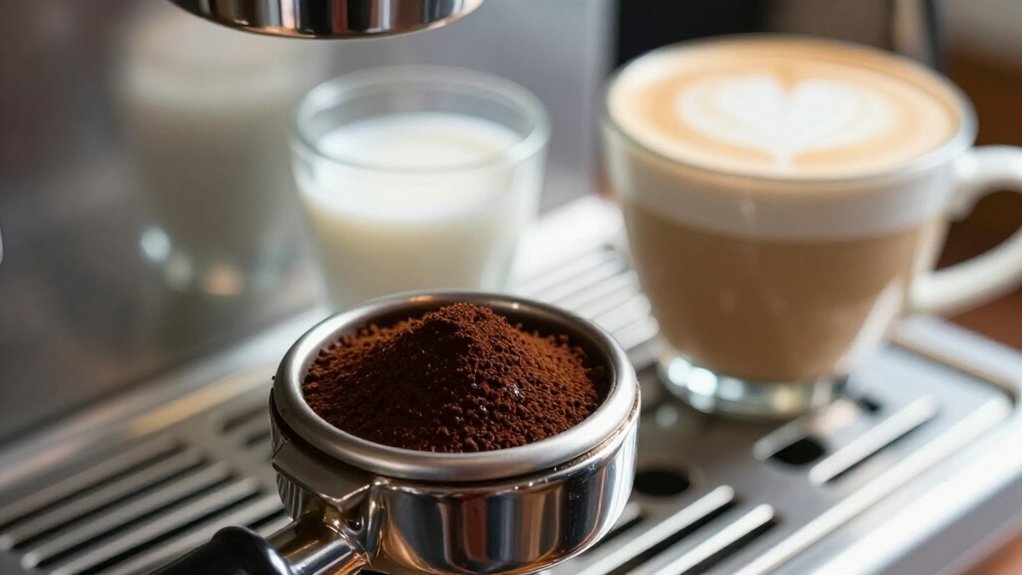
You’ll find white espresso only works well in an espresso machine, since its beans are dropped at 325°F and stay hard, dense, and ultra-light, so they need high pressure to pull out their nutty, earthy flavor. If you try drip, pour-over, or French press instead, you’ll likely get a weak, uneven cup because those methods lack the force to break through the bean’s density.
That strong oat-and-peanut shot is built for milk, too, and when you pair it in a latte, the lower bitterness and bold taste balance out into something smooth and drinkable.
Recommended Products
Medium roast - 100% sustainably-grown arabica coffee beans for a smooth, perfectly balanced taste
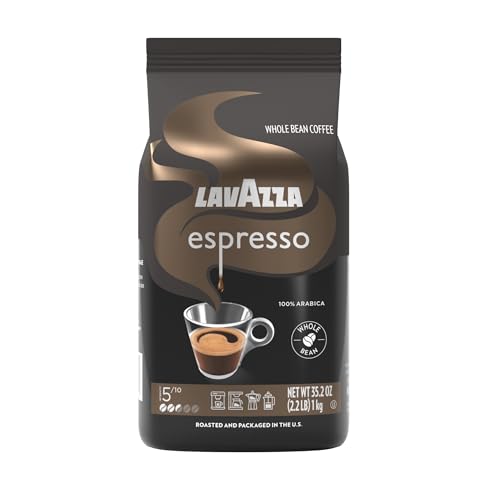
INTENSITY AND ROAST: With a 5/10 intensity, this fragrant medium roast offers a sweet and aromatic finish
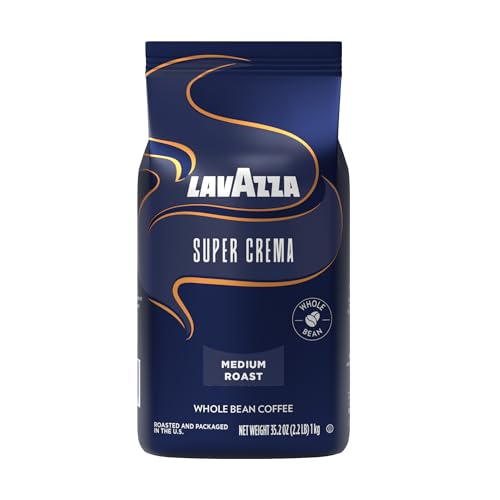
SUPER CREMA: A 2.2 lb whole bean coffee bag ideal for espresso preparation
Density Demands Pressure
In a typical kitchen, you can’t brew white espresso with a regular drip machine or pour-over setup. That’s because the beans stay rock-hard from an ultra-light roast. White coffee beans are ultra-light-roasted, dropped around 325°F before first crack, so they’re roasted to a much higher density than normal coffee. That density resists water flow, making home drip methods useless.
You’ll need high-pressure extraction to pull flavor through the tough puck. Here’s what you’re dealing with:
- Beans so dense they’ll wreck a typical home grinder
- Coarse “Espresso Grind” required for pressure compatibility
- Dense, earthy, nutty shots that need forceful brewing
For a proper espresso shot, use a real espresso machine. The pump pressure forces water through where gravity fails, releasing the oat and peanut notes drip methods can’t reach.
Latte Complements Flavor
While you might be tempted to try white espresso in your usual drip machine, this roast is built for one job only. The roasting process stops around 325°F, before first crack, so the beans stay dense and earthy. You get oat and peanut notes that need espresso pressure to come through cleanly.
White espresso won’t work in drip, pour-over, or French press. The grind is too dense and ultra-light for slow brewing methods. Pull it as a shot, and you’ll find it’s less acidic than darker roasts, with a nutty, slightly sweet taste. The latte goes well with the flavor, softening any sharp edges without adding bitterness.
White Tornado Coffee sells this roast in espresso grind, confirming its purpose. You’ll get the caffeine you want, plus a smooth drink that milk improves rather than masks.
How Much Caffeine Is in White Espresso?
Because white espresso uses beans roasted at lower temperatures, around 325°F and pulled before the first crack, more caffeine stays locked inside. Choosing white coffee means you’re picking ultra-lightly roasted beans that keep their natural energy boost. Caffeine levels run much higher than what you’d find in regular coffee, with some brands claiming up to 50% more kick per serving.
You’ll notice the difference when you pull espresso shots from these pale beans. A single white espresso shot delivers roughly 90–110 mg of caffeine, while dark roast shots give you only 60–70 mg, and light roast lands around 80–90 mg. Some products, like White Tornado, advertise almost double the caffeine of fully-roasted alternatives.
Your morning cup hits harder with less liquid. You measure smaller pours for the same buzz. If you’re sensitive to stimulants, tracking your intake becomes especially important.
Recommended Products

Make Your Favorite Espresso Coffee At Home: The CASABREWS coffee machine with milk frother allows you to prepare all your favorite espresso-based coffees. You can enjoy a barista-brewed latte, cappuccino or macchiato at home. Stainless steel appearance, stylish and durable, ideal for any size kitchen. This compact espresso machine is perfect for home or office use

Steam Brewing: Powerful steam-brewing process brews dark, rich espresso, great for making Cuban coffee

【20 Bar Pro-Pump】This 2-in-1 semi-automatic expresso coffee machines features a 20 bar high-pressure pump and a visible pressure gauge, delivers consistent stable pressure to fully penetrate the coffee puck, ensures produces balanced acidity and bitterness, rich creamy crema, and an ultra-smooth coffee. Let you make café-style espresso and latte effortlessly at home.
Why White Coffee Beans Destroy Home Grinders
You’ll quickly notice that white coffee beans are much harder than regular roasts, since they’re pulled from the roaster at just 325°F before they crack open. Your home grinder’s motor and burrs aren’t built for this kind of density, so they’ll strain, wear down fast, and give you uneven grounds.
That’s why most suppliers grind these beans on heavy-duty commercial machines first, or you can pay extra for a pre-ground option that won’t wreck your equipment.
Recommended Products

Light roast with a crisp and clean flavor

One 2.2 lb. bag of Lavazza Organic Tierra Italian whole coffee beansRich bodied Italian roast with notes of honey, malt, and chocolate

Made with 100% Arabica beans
Bean Density Challenges
The trouble starts with how these beans are roasted. When you’re roasting white coffee, you drop green coffee beans around 325°F, well before they crack. This leaves them rock-hard, with a bean density that’ll challenge your equipment.
You’ll notice this density creates real problems:
- Your blades chew slowly, generating heat and friction
- Your motor labors against the unyielding texture
- Your burrs dull faster from the constant strain
That toughness means you won’t extract caffeine than regular coffee expects, since water struggles to penetrate. Many roasters grind white espresso on commercial machines before shipping, knowing home grinders can’t handle the load. Without professional-grade torque, you’re risking damage to your equipment for a cup you can’t finish at home.
Grinder Motor Strain
Plug a white espresso bean into your home grinder, and you’ll quickly hear the motor fight back. White espresso beans are ultra-lightly roasted, so they’re harder and denser than beans you’re used to. That extra density puts serious strain on your home coffee grinder‘s motor, and you’ll risk burning it out fast.
One seller even warns their grind is so coarse it’ll destroy any home coffee grinder. That’s not hype, it’s physics. Your typical kitchen grinder isn’t built for this kind of workload. The beans need high-torque commercial grinders with powerful motors and tough burrs to break them down without damage.
If you insist on trying, skip weak motors and ceramic burr setups. They’re poor matches for this hardness, and you’ll likely end up with broken gear instead of ground coffee.
Commercial Grinding Solutions
Since home grinders can’t handle the job, you’re left with two practical options: buy pre-ground white espresso from the roaster, or find a commercial-grade grinder with stainless steel burrs and at least 400 watts of motor power.
Ultra-light, dense beans demand professional equipment. You’ll see why when you attempt the grind:
- Ceramic burrs on home models chip and dull against extreme hardness
- Low-torque motors overheat and burn out within minutes
- Particle sizes come out uneven, ruining your extraction
Most roasters grind these dense beans themselves, using commercial grinders with hardened steel burrs. They ship the coffee already ground, usually as espresso grind only. If you insist on grinding at home, expect rapid wear, motor strain, and frustration.
How to Pull White Espresso Shots on Home Machines
Pulling white espresso at home starts with equipment that can handle the job, because these ultra-light beans are denser and harder than what most home grinders encounter. You’ll need a sturdy espresso machine and a true espresso grind size for this brewing method. The roasted beans for white espresso are dropped around 320, 325°F before first crack, giving you nutty, earthy shots with less bitterness than dark roasts.
Treat white espresso like any other spro, but start slightly finer and adjust based on how the shot flows. Your grind size matters more here since these dense beans extract slower.
Keep your dosing and yield consistent. Don’t freestyle it, as high-density beans are sensitive to tamp pressure. If your grinder struggles with the hardness, seek commercial grinding support from your roaster before you damage your equipment.
Recommended Products

BLONDE ESPRESSO WHOLE BEAN COFFEE – Crafted for coffee lovers who enjoy a lighter espresso roast with a smooth, balanced character. This blonde espresso delivers a bright, approachable cup while maintaining the richness needed for espresso-based drinks.
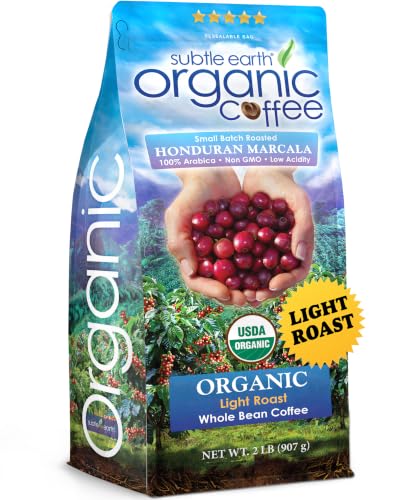
New! Subtle Earth Organic Coffee Light Roast!

1 2.2 pound bag of Lavazza gold selection Italian whole coffee beans
How to Choose and Buy White Espresso Beans
Once you’ve figured out how to pull shots at home, finding the right beans becomes your next step. You want white coffee that’s dropped before first crack, around 325°F, so it stays cream-colored and nutty, unlike traditionally roasted coffee.
When you Buy White, you’ll notice it’s denser than regular beans. Check these details first:
- Verify the seller offers espresso grind, since home grinders often can’t handle the hardness
- Confirm grinding was done before delivery on commercial equipment
- Look for clear roasting temps and timing from the vendor
Malaysian white coffee differs from this style, so read labels carefully. Pick sizes like 12oz to test, or 2lb if you’re committed. Choose Direct Trade sellers when possible, and only subscribe if you’ll brew espresso regularly.
Recommended Products

【Professional 20-Bar Pressure & Precise Temp Control】Experience barista-level extraction with a professional 20-bar Italian pump and an NTC intelligent temperature control system. It locks the water temperature at the ideal 90-96°C (194-205°F) range within 30 seconds, ensuring every shot—whether from light or dark roast beans—is fully saturated to yield rich aroma, complex flavors, and a perfect golden crema.

A COMPLETE GRIND-TO-BREW ROUTINE AT HOME — Bring fresh-bean grinding and semi-automatic espresso brewing together in one white countertop appliance. The built-in burr grinder offers six grind ranges across a 0–30 adjustment dial, with timed and manual grinding options. Grind into the portafilter, tamp the coffee and brew your preferred shot.
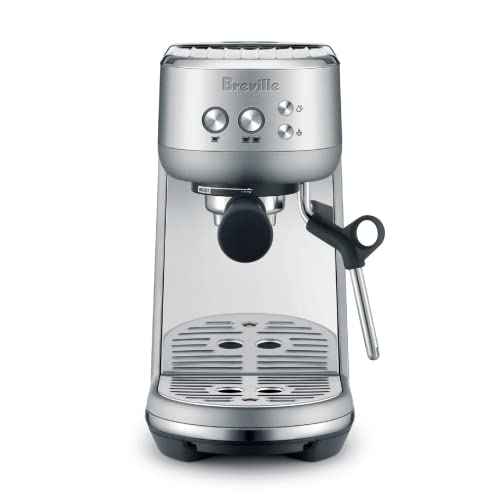
MICROFOAM MILK TEXTURING: Cappuccino maker and latte machine has an automatic steam wand allowing you to adjust milk temperature and texture, creating barista-quality microfoam for latte art at home

I've spent years obsessing over the details that make a house feel like a home — from the perfect bedding layers to a thoughtfully styled coffee corner. My focus is on modern, aesthetic home decor ideas that are beautiful, trend-aware, and actually achievable. Great style shouldn't require a big budget — just the right inspiration.
Follow on Facebook