
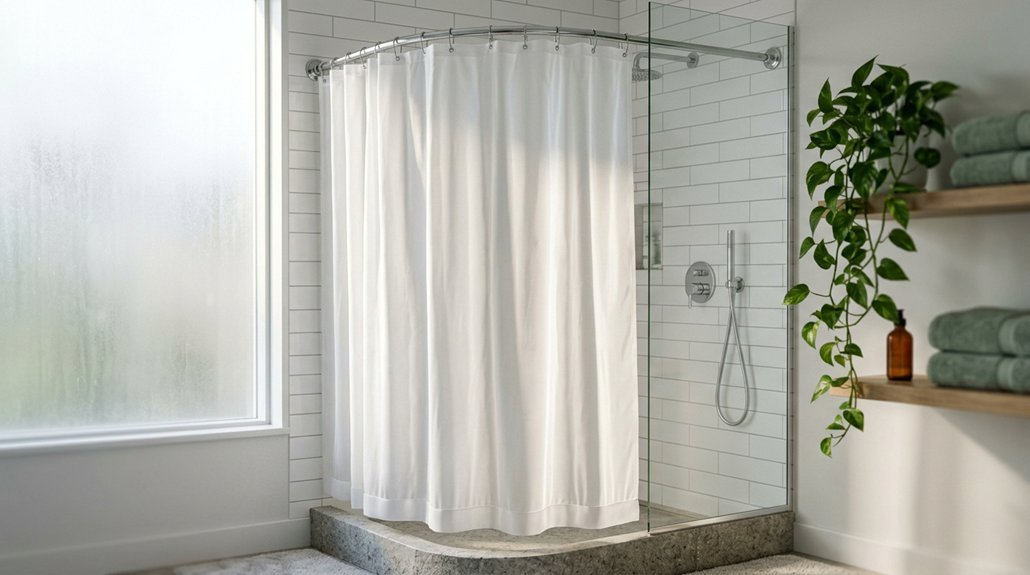


You might not expect it, but that thin sheet hanging behind your shower curtain does more work than the decorative fabric in front. A shower liner is a waterproof barrier, usually 70 by 72 inches, made of vinyl or PEVA, and it blocks water from soaking your floor.
If your curtain is cloth, you’ll need one, since fabric holds moisture and breeds mildew. The liner also keeps your outer curtain dry and clean, so you wash it less often.
Heavy splashes, kids, or a handheld sprayer make it especially useful.
Most liners cost under $15, last six months to a year, and wipe clean with a sponge. You have more choices than you think, and picking the right one matters more than it seems.
Do You Need a Shower Liner Behind Your Curtain?
If you have a fabric shower curtain, you’ll want to know whether a liner is necessary. A shower curtain liner gives you water protection you don’t get from fabric alone.
Using a shower liner versus going without one makes a real difference in your bathroom. Without one, your cloth curtain absorbs splashes and steam, staying damp for hours. That dampness increases mold and mildew growth, and you’ll wash the curtain far more often.
You don’t always need a liner if you’ve picked quick-drying materials like linen or hemp, but heavy splashers still benefit from the extra barrier. A liner also blocks soap scum from reaching your outer curtain, cutting down on cleaning time.
For best results, close both layers fully after each shower, and wipe the liner regularly to stop mildew before it starts.
Recommended Products

Premium PEVA: 3 magnets at bottom for iron-core bathtubs & 12 metal grommet holes, it can be used as a stand-alone shower curtain or shower liner

Lightweight and flexible PEVA: Designed for easy handling and natural drape, this liner is not a heavy fabric curtain. Made from 100% PEVA material, PVC-free and odor-free, helping avoid the strong chemical smell often found in vinyl liners.

FEEL THE HEAVY-DUTY DIFFERENCE: This heavy duty shower curtain liner is made of 8G thick, premium PEVA material to resist rips and tears, saving you the cost and hassle of frequent replacements.
What Is a Shower Liner, Exactly?
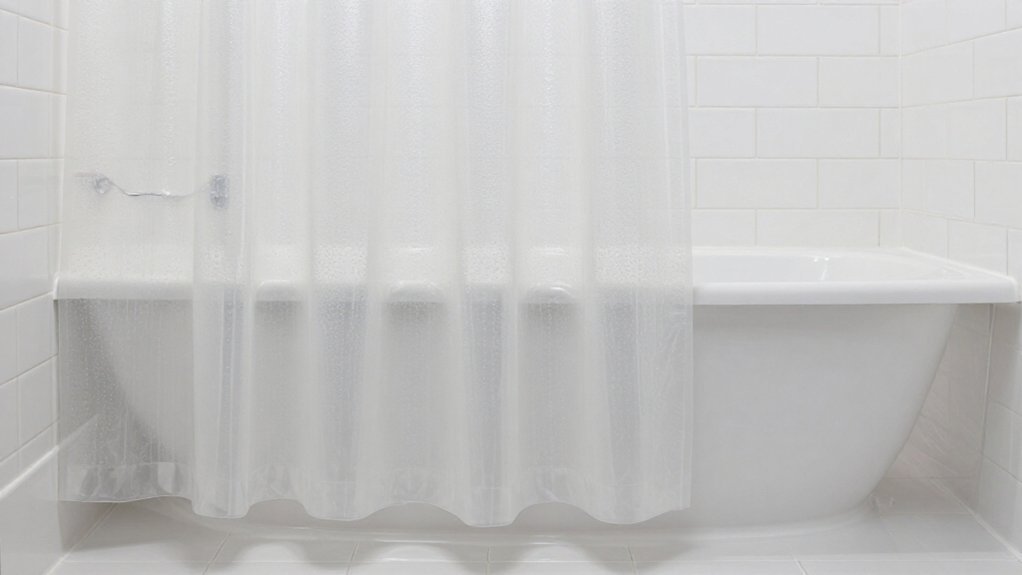
A shower liner is a waterproof panel that hangs inside your tub or shower, usually on the inner side of the curtain rod, and its main job is to stop water from splashing onto your bathroom floor.
A shower liner is a waterproof barrier that hangs inside your tub to keep water from splashing onto your floor.
You can spot a shower liner by its simple, no-frills look. Most use waterproof materials like vinyl, polyester, or PEVA, and they come clear or in solid colors. The liner helps you keep water inside the tub where it belongs.
Many liners include weights or suction cups so they stay put and block water from escaping along the edge. This barrier also shields your outer curtain from soap scum and mildew, so your fabric curtain lasts longer.
Plus, liners cost less than decorative curtains since you wipe them clean or replace them often.
Recommended Products

WATERPROOF PEVA MATERIAL FOR EVERYDAY PROTECTION : Made from durable PEVA with a medium-weight 5 gauge thickness to help prevent water leaks and protect bathroom floors during daily use.

Keep Your Bathroom Dry - Our premium PEVA shower curtain liner is waterproof, protecting your decorative shower curtain and keeping your bathroom floor dry, shampoo and soap residues never leaking out.

WATERPROOF SHOWER CURTAIN - Ultra smooth specialty design of LiBa shower curtain liners created to roll off the water and to promote water bead formation so water swiftly rolls off the surface, keeping your bathroom dry and clean. With 3 timeless color options to choose from, use it as a stand-alone curtain for a bright & airy atmosphere, or pair it with your favorite fabric shower curtain.
How Is a Liner Different From a Curtain?
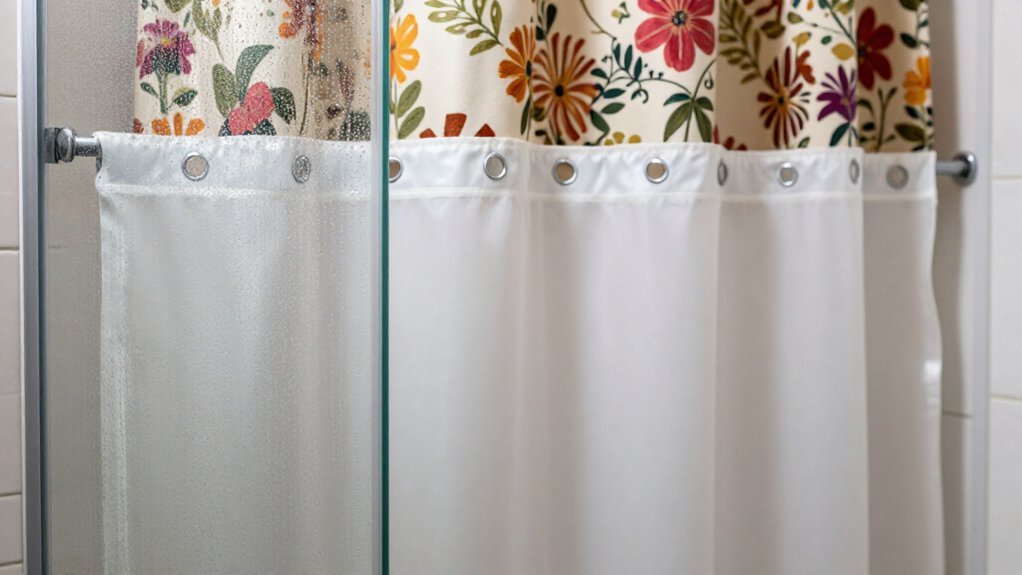
Pull back a shower curtain, and you’ll often find another layer hiding behind it. That layer is the liner, and it serves a very different purpose than the curtain you see.
A liner and a curtain work as a team, but they do different jobs. Shower liners hang inside your tub, right against the spray, creating a waterproof barrier that catches splashes before they hit your floor. The curtain hangs outside, past the tub’s edge, giving you privacy and style with decorative fabrics that aren’t built to block water.
You could use a shower curtain without a liner, but you’ll deal with more mess. Fabric curtains soak up moisture, wrinkle, and stain easily. The liner prevents soap scum and mildew from reaching that outer layer, so your curtain stays cleaner, longer, with less scrubbing for you.
Recommended Products

Keep Your Bathroom or Caravan Dry - Our premium PEVA shower curtain liner is waterproof, protecting your decorative shower curtain and keeping your bathroom floor dry, shampoo and soap residues never leaking out.

Waterproof and family-friendly material - AmazerBath clear shower curtain liner is made of premium PEVA material, there is no plastic smell. Super smooth surface design is created to resist water and promote water bead formation for swiftly rolling off the shower liner, keeping your floor dry and clean.

Soft To The Touch: Made from expertly chosen and tested polyester fabric, touches like a cotton feel,it has no chemical smell and can be used as either an inner shower curtain liner or a standalone shower curtain.
Which Liner Material Should You Choose?
Once you’ve got a handle on what liners do, you’ll want to pick the right material for your setup. Shower liners come in three main types, and each has its own strengths:
- Waterproof materials like vinyl trap water completely but feel plasticky and need regular airing out to prevent mildew.
- A PEVA liner offers similar waterproofing with more flexibility, making it durable and simpler to wipe down after use.
- Polyester liners look more fabric-like and resist water, though they may let some moisture seep through compared to vinyl or PEVA.
Don’t overlook liner thickness, either. Heavier options resist billowing better, staying flush against the tub for stronger splash protection. Choose clear styles to stay invisible, or pick opaque for added privacy.
Recommended Products
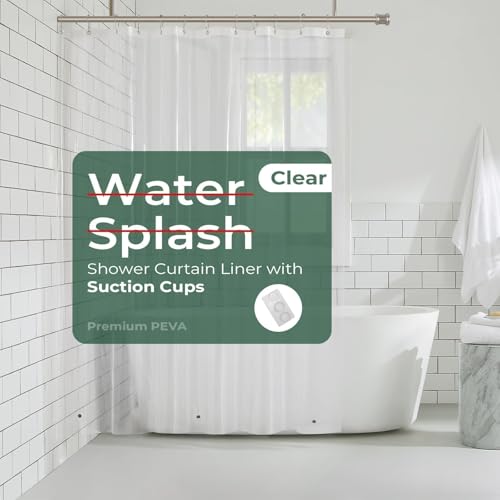
Side Suction Cups Design: The shower curtain liner is designed with suction cups on the left, and 3 weighted magnets at the bottom, which keeps the liner in place and prevent water from splashing out

The first thing you'll notice when you open the package is that it's completely odor-free and BPA-free and ideal for those with chemical sensitivities

100% PREMIUM PEVA: Our shower liner is made of 100% premium PEVA, 100% waterproof, which can protect your bathroom decoration and keep your bathroom floor dry
How Do You Clean a Liner?
You can keep your liner fresh by pulling it fully open and wiping it with warm water and mild soap, then drying it completely to stop mildew before it starts.
Check your care label, because many polyester or PEVA liners can also go right into the washing machine on a gentle cycle. Either way, aim to clean it about once a month, and always spread it out afterward so air can reach both sides.
Recommended Products

6 Magnets at Bottom: Magnetic shower curtain liner for your bathtub, 6 bottom magnets help keep the premium clear heavy shower liner in place

【Hotel Quality Material】Made from 100% polyester fabric which is sturdy, bpa-free, odorless and family-friendly. Certified by OEKO-TEX Standard 100. And cloth shower liners can offer superior privacy compared to clear peva shower liners. So if you don't like plastic shower liners, this white fabric shower curtain liner will be a better replacement.

Hotel quality protection & standard fit: This single-pack 72 x 72 inches shower curtain liner is designed to fit standard to wide tubs and showers. It provides effective water-resistant protection to keep your decorative curtain dry and floors safe, featuring a hotel-grade build for a premium feel. (Hooks not included)
Wiping Down Regularly
After every shower, take a moment to wipe down your liner with a squeegee or a clean microfiber cloth. You’ll remove soap residue, help your liners dry faster, and keep mold from taking hold on damp surfaces.
For routine cleaning, use warm water and a mild bathroom-safe cleaner. Avoid harsh abrasives that damage vinyl or PEVA.
Here’s how to keep your shower space fresh:
- Wipe top to bottom to push water toward the drain
- Scrub mildew spots promptly, then rinse thoroughly
- Keep liners fully closed during cleaning, then air-dry completely
Thicker liners need extra attention at the bottom edge where water pools. When wiped clean regularly, your liner stays fresher longer, and you’ll spend less time on deep cleaning later.
Machine Washing Options
Although most shower liners only need a quick wipe with a cloth, you’ll eventually want a deeper clean. Many shower liners are made from wipeable waterproof materials like PEVA or polyester, so routine cleaning is often just wiping and rinsing rather than machine washing. If your liner is labeled “machine washable,” you can usually wash it on a gentle cycle in cool water and let it air-dry to prevent warping or deterioration.
Liners that develop mildew often respond better to laundering with a mild detergent, followed by thorough drying, since leftover moisture encourages mildew. To keep machine washing effective, remove the liner promptly after use, fully close it to allow airflow, and don’t crowd it so water can rinse through evenly.
As a simple maintenance schedule, clean or wipe liners about monthly and wash when needed, more often if you notice mildew spots, to extend liner life and protect your vinyl shower curtain.
When Should You Replace Your Liner?
You’ll know it’s time to replace your liner when you spot clear signs of wear, like peeling waterproof coating, tears, or cracks that let water seep through to your curtain and floor.
If you’ve scrubbed and bleached but the liner still holds mildew stains or smells musty, that stubborn odor means the mildew has worked its way deep into the material. When cleaning no longer helps and the stench persists, you’re better off tossing the old liner and starting fresh.
Recommended Products

Qualified: High quality PEVA shower curtain liner is a good choice for the person who requires light weight liner for bathtub.Convenient fold, simple and low cost, the liner plays a function to better hold back water in a shower.

Waterproof and family-friendly material - AmazerBath beige shower curtain liner is made of premium PEVA material without plastic smell. Super smooth surface design is created to resist water and promote water bead formation for swiftly rolling off the shower liner, keeping your floor dry and clean.

ENDURING & SOFT - This lightweight shower curtain liner is the perfect addition to any bathroom. It features a reinforced header and rustproof metal grommet eyelets that provide a strong and secure fit.
Signs of Wear
At some point, every shower liner gives up the fight against moisture, and you’ll spot the warning signs before it fails completely. Shower liners prevent water damage only when they’re intact and functional, so you’ll need to watch for these clear signals:
- Water stops beading on the surface and starts soaking through instead, meaning the waterproof coating has worn away.
- You notice tears, holes, or cracks, especially near grommets, edges, or the bottom hem, which let spray hit your curtain and floor.
- Suction cups won’t hold, weights are missing, or grommets have rusted, so the liner won’t stay in place.
Most liners last 6–12 months, though heavy use or poor ventilation shortens this. Replace yours sooner if you spot these issues, even with a built-in liner.
Cleaning No Longer Helps
Regular cleaning keeps a shower liner fresh, but it can’t fix everything forever. You scrub and wipe, yet thinning, tears, or cracks keep spreading across the surface. You notice water stops beading up, so the waterproof coating is breaking down. At that point, no amount of bleach or elbow grease restores what you’ve lost.
Shower liners are typically made of vinyl or PEVA, materials that degrade with age and moisture exposure. Without a liner, your curtains work overtime and soak through, so you use a shower liner to block spray and protect fabric. When bottom edges wear thin or suction cups fail, water escapes onto your floor.
Replace your liner every 6 to 12 months in humid bathrooms, or sooner if you open and close it daily, since creases trap moisture and speed up damage.
Mildew and Odor Persist
Even after you’ve scrubbed every inch, some shower liners hold onto mildew and odor like they’re part of the material itself. You might think waterproof materials stay easy to clean forever, but that’s not always the case.
When you notice these problems, it’s time to act:
- A sour musty odor returns within days of washing
- The bottom hem stays wet, tears, or shows rust-colored stains
- Visible stickiness or slimy film won’t scrub away
These signs mean mildew has worked into the material or seams. Shower liners and shower curtains both trap moisture, so pull them fully closed after each shower so air can flow.
Clear, PEVA, or vinyl liners typically need replacing every 6 to 12 months with daily use. Once smells keep coming back, replacement beats repeated bleach treatments.

I've spent years obsessing over the details that make a house feel like a home — from the perfect bedding layers to a thoughtfully styled coffee corner. My focus is on modern, aesthetic home decor ideas that are beautiful, trend-aware, and actually achievable. Great style shouldn't require a big budget — just the right inspiration.
Follow on Facebook