
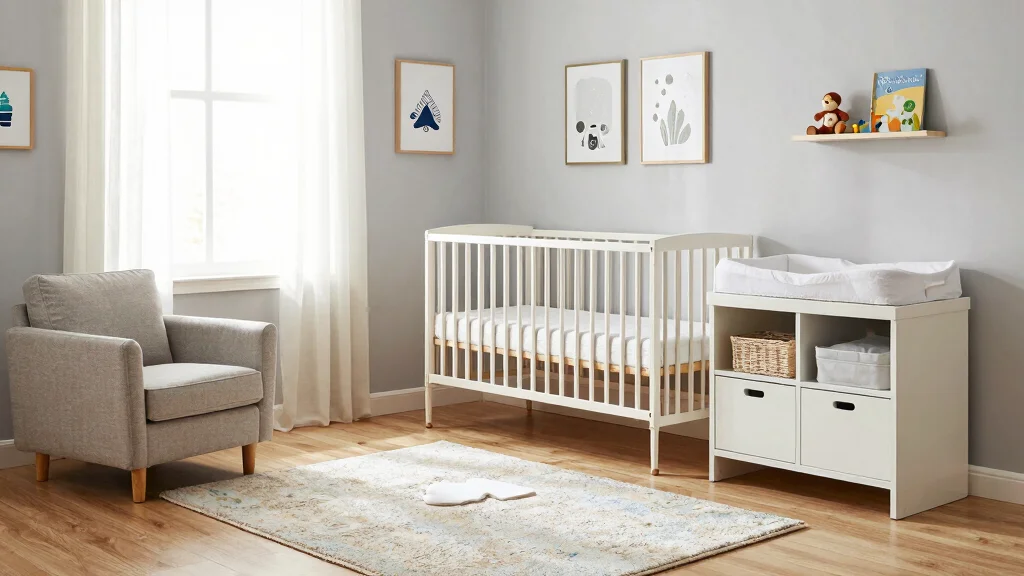


Creating a small baby room is both a challenge and an opportunity. As new parents, you are probably feeling caught between wanting to create a cozy space for your little one and needing to make the most out of limited square footage. This post is designed to help you navigate these waters. It’s packed with innovative small baby room layout ideas that will maximize space while keeping the decor charming and functional.
If you’re someone who is preparing for a new arrival, or perhaps you are looking to refresh an existing nursery, this guide is just for you. Whether you’re a minimalist at heart or simply seeking space-saving nursery ideas, you’ll find a wealth of inspiration and practical tips. Each idea focuses on maximizing space and enhancing baby room organization, ensuring that you create a welcoming atmosphere without feeling cramped.
Within these pages, you will discover 17 unique layout ideas that incorporate compact baby furniture and efficient room design. From cozy corners to multi-functional pieces, each suggestion aims to help you craft a small nursery that reflects your style while providing a nurturing environment for your baby. By the time you finish reading, you’ll have the knowledge and confidence to create a beautifully organized, space-efficient nursery that meets both your needs and those of your little one.
Key Takeaways
– Explore crib corner nooks for a cozy and space-efficient sleeping area that maximizes floor space.
– Consider multi-functional crib designs that serve as both a bed and storage, perfect for compact living.
– Utilize vertical storage solutions to keep baby essentials organized without taking up much room.
– Integrate transformative furniture that can adapt as your child grows, saving you money and space.
– Embrace light, airy color schemes to create an illusion of more space, making the room feel larger and more open.
Recommended Products

KEEP BABY CLOSE, DAY OR NIGHT: Lightweight and portable design makes it easy to move room to room, keeping your little one nearby at all times.
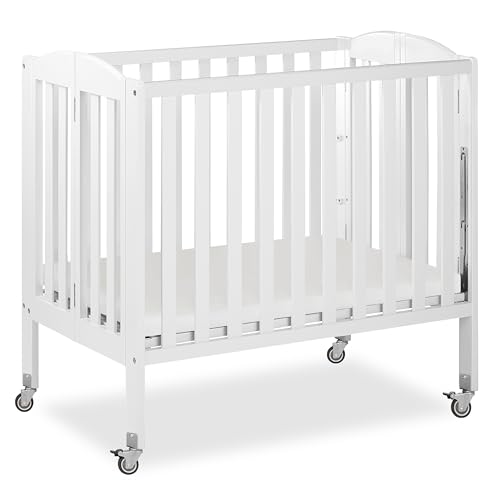
One Crib, Three Functions- The Dream On Me 3-in-1 Folding Portable Crib grows with your little one—serving as a crib, playpen, and changing station all in one. A practical and space-saving choice, it’s ideal for families, daycare centers, and grandparents’ homes.

【Versatile Companion for Baby's Growth】: Magic Fold Pack and play serves as a baby bassinet, portable playpen, travel crib, and changing table, perfectly suited for babies aged 0-3 years. The playard offers effortless transitions between nap play, and care modes, enhancing flexibility and simplifying daily routines for busy parents.
1. Crib Corner Nooks

Creating a cozy crib nook in an unused corner can truly transform your nursery. This design strategy fosters a sense of intimacy, while allowing you to maximize floor space effectively. Imagine placing a crib in a corner bathed in natural light, with floating shelves above to hold beloved books and cherished toys.
To enhance this charming corner, consider adding soft textures and carefully chosen decor. Opt for a warm color palette and inviting materials that evoke comfort. A corner near a window not only brightens the space but also provides a lovely view for your little one.
Consider these elements for your crib nook:
– Pair light-colored walls with a soft area rug for warmth.
– Install floating shelves for easy access to essentials.
– Use plush cushions on a small chair for feeding or cuddles.
This approach creates a delightful and functional nook, ensuring your baby’s space feels both safe and stylish.
Recommended Products

MODERN MINIMALIST DESIGN: This 5-tier closet organizer uses an open-shelf vertical tower to add closet organizers and storage in a wardrobe closet, bedroom, or living room, making the closet organizer both versatile and space-friendly

Montessori-Inspired Open Storage Design Designed with an open-front layout, this Montessori bookshelf keeps books, toys, puzzles, and learning materials visible and organized. The accessible design encourages independent organization habits and makes it easy to find and store everyday items in bedrooms, playrooms, reading corners, and learning spaces.

CUSTOMIZABLE SHELVING: Two optional back panels let you create the ideal layout to suit your needs, mixing open and enclosed backings to help diversify your storage solution
How To Choose the Right Compact Baby Furniture
Choosing the right compact baby furniture can make a world of difference in a small nursery. With limited space, it’s essential to select pieces that are functional, stylish, and space-efficient. Here are several factors to consider when making your selection:
1. Size
When picking furniture, size matters. Measure the dimensions of your nursery before shopping. Consider how much space you want to allocate for each piece. A crib should ideally fit in a corner or against a wall, allowing room for other essentials. Look for cribs that convert into toddler beds for future savings and space efficiency.
2. Material
The material of your furniture affects durability and maintenance. Wood is a classic choice, providing sturdiness and a timeless look. If you prefer lighter options, consider high-quality MDF or particleboard. Ensure that the material is non-toxic and safe for your baby, especially if you choose painted finishes.
3. Features
Look for furniture with multiple functions. Cribs that turn into changing tables or dressers with built-in storage can save space. Some cribs come with adjustable mattresses, allowing you to lower the bed as your baby grows. Check for safety features, like rounded edges and secure locks on convertible pieces.
4. Budget
Establish a budget before you start shopping. Compact baby furniture can vary widely in price. While you want quality, keep in mind that you don’t need to overspend. Look for good deals online or at local stores. Consider buying second-hand furniture in excellent condition to save some cash.
5. Style
Choose a style that complements your overall nursery decor. Minimalist designs often work best in small spaces, creating a clean and organized look. Light colors can help make rooms feel larger, while bold accents can add character. Remember, less is more in a small nursery!
6. Storage Solutions
Opt for furniture that offers hidden storage. Storage ottomans, cribs with drawers, or shelves above the changing table can keep toys and essentials organized. This will help to minimize clutter and make the room feel more spacious. Think creatively about where you can integrate storage without sacrificing style.
Pro Tip: Always test how easily you can move around the furniture once everything is in place. Make sure there’s enough space for you to comfortably access changing tables and cribs, especially for nighttime feedings and diaper changes.
By focusing on these criteria, you can choose compact baby furniture that meets your needs while keeping your small nursery organized and stylish. Remember to balance functionality with aesthetics to create a space that you and your baby will love.
Recommended Products

Gentle scalloped edges create a warm and playful look, perfect for baby girl nurseries and kids’ rooms.

[Functional Kid's Shelves] - These floating nursery book shelves add both style and storage functionality to any nursery or kids' room, making them a great addition to your home decor. In addition, they can be used upside down, with hangers for children's clothing storage.

[Premium Solid Bamboo] High-quality bamboo shelves offering superior strength, stability, and a smooth, natural, organic look — a durable, non-toxic upgrade for any nursery or room.
2. Multi-Functional Crib Designs
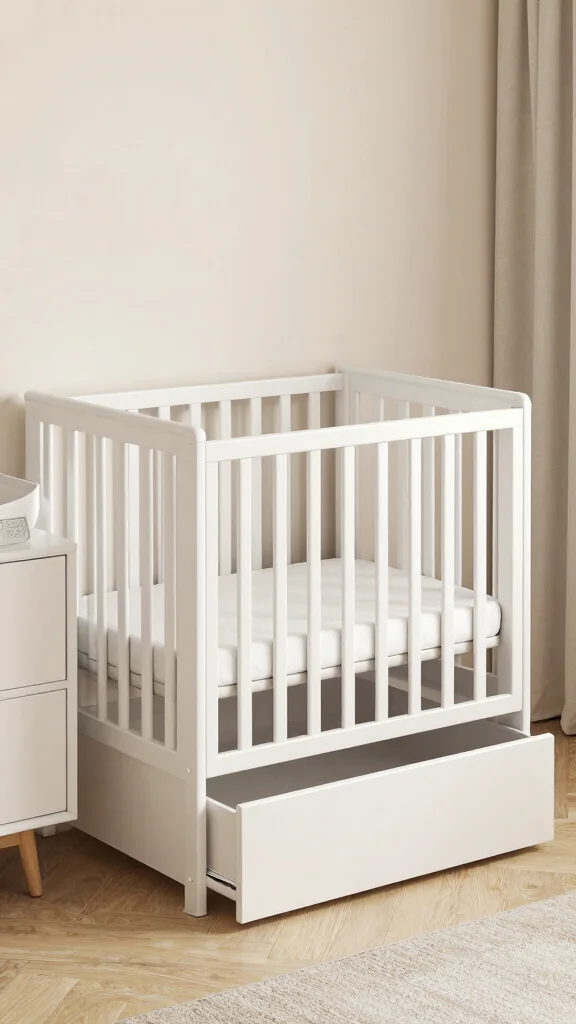
Selecting a crib that doubles as a storage unit or changing table can dramatically enhance your nursery’s functionality. Many contemporary designs come equipped with built-in drawers or shelves, providing ample space for diapers, clothes, and other essentials.
This not only conserves space but also helps maintain order, minimizing clutter in your nursery. A well-designed crib keeps necessities within reach, streamlining those late-night feedings and diaper changes.
Keep in mind these important aspects:
– Choose sleek, modern cribs to preserve a light, open feel.
– Incorporate stylish storage bins for a coordinated look.
– Organize items systematically for quick access.
By opting for a multi-functional crib, you can combine style and practicality, making your small nursery feel larger and more organized.
Did you know a multi-functional crib with built-in drawers can cut nursery clutter by up to 40% in a small baby room layout? Keeping diapers, clothes, and wipes within arm’s reach makes late-night feeds and changes smoother and more peaceful.
Recommended Products
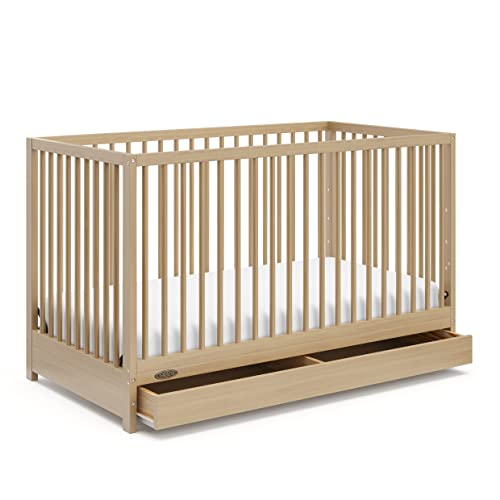
5-IN-1 CONVERTIBLE CRIB: Converts from baby crib (mattress sold separately) to toddler bed (compatible toddler guardrails sold separately), daybed, and full-size bed with headboard & optional footboard (conversion kit sold separately); Assembly required

4-IN-1 CONVERTIBLE CRIB WITH TODDLER RAIL: Baby crib converts to toddler bed (guardrail included), daybed, and full-size bed, offering a long-term nursery furniture solution from infancy through early childhood.

5-IN-1 CONVERTIBLE CRIB & CHANGER: Crib converts to toddler bed, daybed, sofa and full size bed w/ headboard (Daybed/Toddler Rail Kit #W137725 and full size metal bed frame sold separately) | Includes changing pad | Assembled size: 77.25”W x 29.5”D x 39”H
3. Vertical Storage Solutions
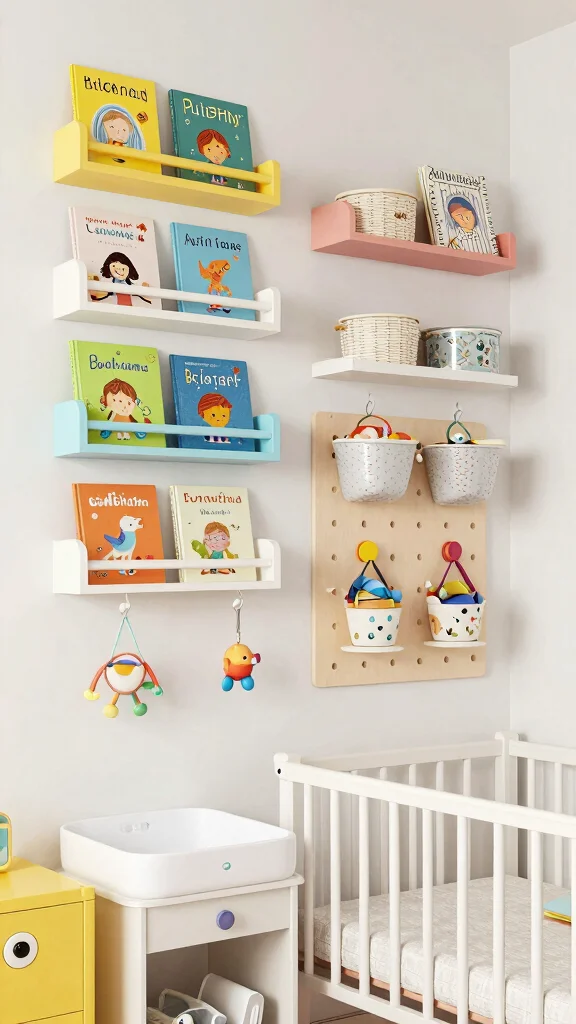
Elevate your nursery’s design by incorporating vertical storage options that maximize wall space. Wall-mounted shelves, hooks, and pegboards help keep items off the floor while adding a unique aesthetic to your baby’s room.
This innovative approach allows for the display of toys, books, and decor without sacrificing valuable floor area. Decorative bins can keep essentials organized, creating a visually appealing environment.
Here are some ideas for implementing vertical storage:
– Install shelves at varying heights for visual depth.
– Use pegboards to hang lightweight toys and accessories.
– Decorate walls with family photos or themed art.
With creative vertical solutions, you can turn your walls into functional design features while optimizing space in your nursery.
Recommended Products

[Stackable Design] Come with 5 storage drawers, included 12.1" W and 4.4''H&7.6‘’H storage containers. The storage containers are stackable, vertical storage will save a lot of space. Put your small objects in acrylic drawers to make your countertop space more tidy.

Versatile Storage Solution: Our dresser organizers come in 3 different sizes to keep your space organized and clutter-free, optimizing your daily storage needs. The set includes 4 large (11"x11"x4.5"), 4 medium(11"x5.5"x4.5"), and 2 small (5.5"x5.5"x4.5")
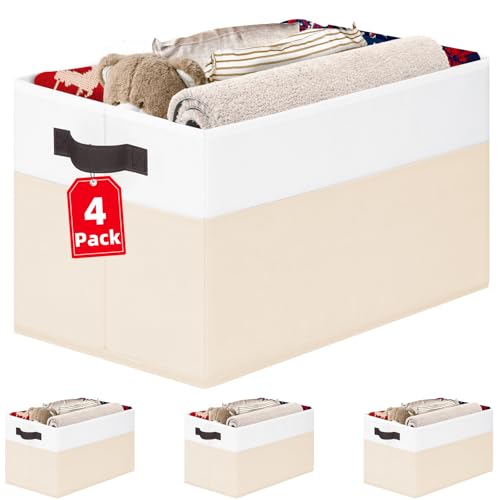
【MULTI-PURPOSE】 Our 4 pcs closet storage bins are home essentials to save storage space and keep everything organized. Large enough baskets for organizing clothes, kid’s toys, nursery room items, extra linens, laundry, towels, sheets, pantry and more.
4. Transformative Furniture
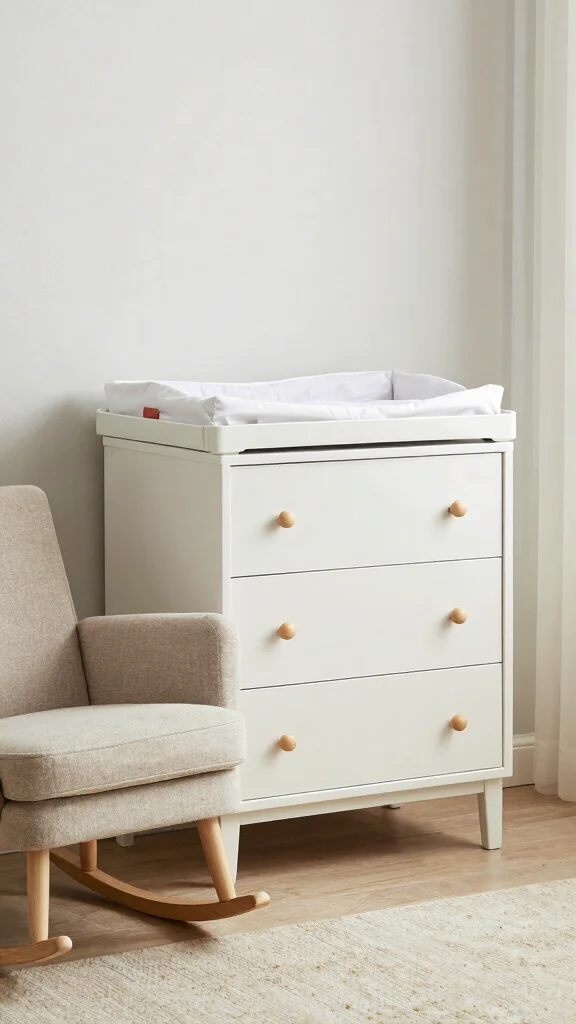
Investing in furniture that serves multiple purposes can significantly enhance your nursery’s functionality. A changing table that doubles as a dresser or a rocking chair that transforms into a cozy reading nook are excellent choices.
This type of furniture not only conserves space but also creates a design that evolves alongside your child. Look for stylish yet practical pieces that fit seamlessly into your nursery’s layout.
Key considerations include:
– Choose durable furniture that adapts to different stages of your child’s life.
– Select versatile color schemes that harmonize with various themes.
– Ensure a flexible layout for future modifications.
By incorporating transformative furniture, you create an adaptable space that beautifully meets your child’s changing needs.
Recommended Products
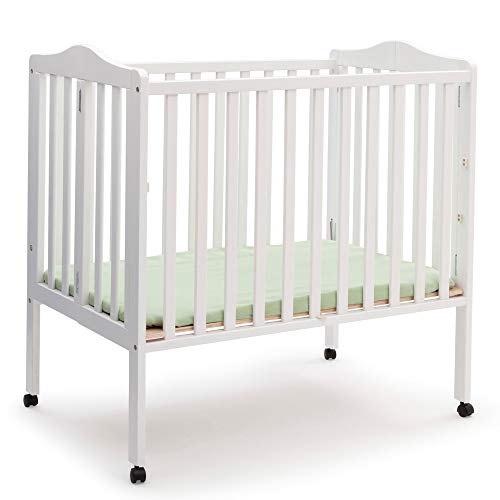
GREAT CRIB FOR SMALL SPACES OR TRAVEL: Crib includes casters for easy mobility; Folds flat for easy travel and storage; The included mattress (size: 37.5"L x 23.25"D x 1.5") stores right in the crib when folded


FULL SIZE COMFORT THAT FITS EVERY HOME - Give your baby the comfort of a full-size crib with room to rest and grow—without taking over your space. Assembled size: 53" L x 31" W x 46" H—measure to ensure the right fit.
5. Under-Crib Storage
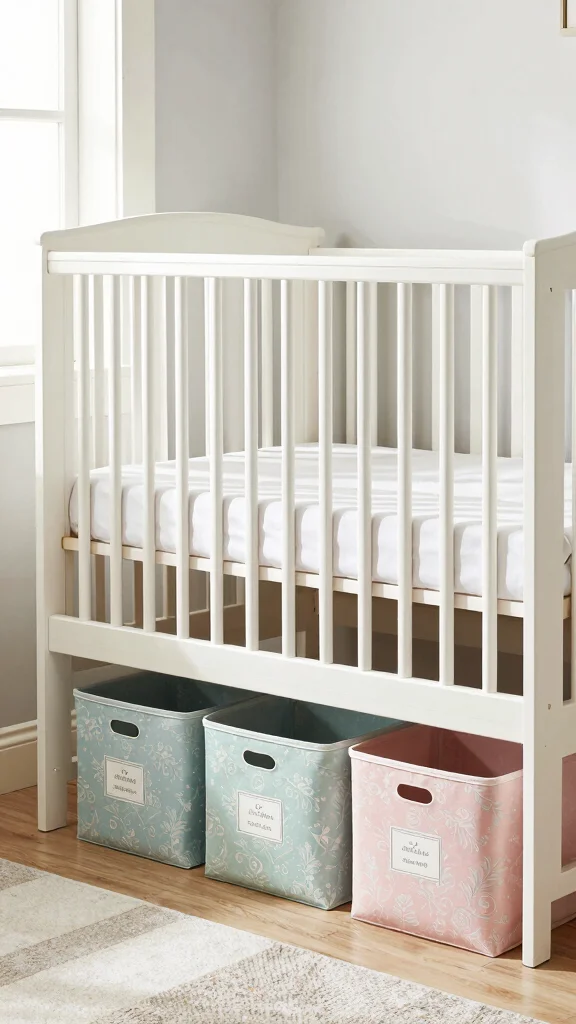
Utilizing the space beneath the crib for storage can be a game-changer in your nursery. This often-neglected area is perfect for bins that hold clothes, toys, or extra bedding.
Using stylish containers not only keeps your nursery organized but also adds a decorative touch. Clear or labeled bins can simplify access to items and help maintain a tidy appearance.
Here are some tips for effective under-crib storage:
– Group similar items in dedicated bins for easy access.
– Label containers for quick organization.
– Choose bins that complement your nursery’s theme.
Maximizing under-crib storage offers a practical solution for maintaining a neat and functional baby room.
Fun fact: in a small baby room layout, under-crib storage can reclaim up to 15-20% of your floor space. A few labeled bins under the crib keep clothes, toys, and bedding organized—and that tidy look makes the room feel bigger.
Recommended Products
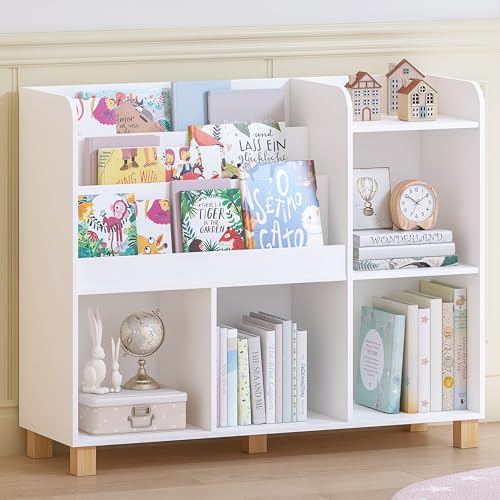
MULTI-FUNCTIONAL STORAGE : Combining a Forward-Facing Book Rack Display with a 4 Cube Storage Organizer, this Kids Bookshelf Doubles as Both a Kids Bookcase and Toy Storage Solution. It Offers Dedicated Space to Hold Books, Puzzles, and a Variety of Toys—Keeping Any Kids Room, Classroom, Study Room, or Nursery Neatly Organized.

5 Different Removable Drawers: The hanging closet shelves include 5 removable drawers that can be placed inside or used separately to store baby clothes, underwear, socks, and accessories - (1) big drawer, (1) removable divider drawer, (1) 12 square cell drawers, (2) small side by side drawers.

Package Contains: 1 hanging closet organizer (Original patented design)
6. Light, Airy Color Schemes
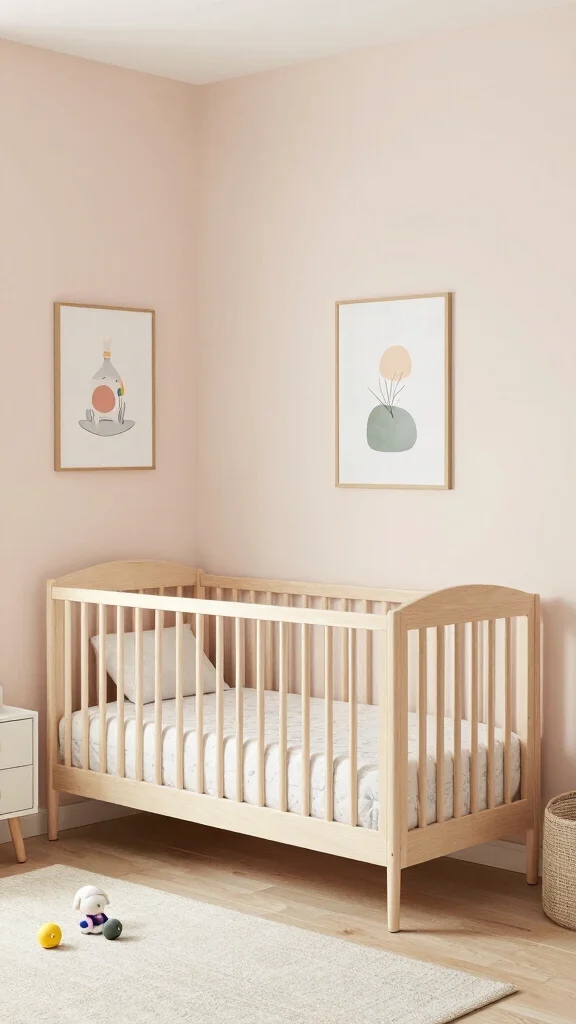
Embracing light and airy color schemes can create a spacious feeling in your nursery. Soft pastels or neutral hues help to visually expand small spaces, making them feel more open.
Consider adding an accent wall or light bedding to infuse personality without overwhelming the room. A calming color palette not only enhances the overall ambiance but also promotes tranquility for both baby and parents.
To achieve this look:
– Use a main wall color complemented by subtle pastels.
– Accessorize with brighter shades in toys and decor.
– Opt for gentle patterns rather than bold designs.
Adopting light, airy colors creates an inviting environment, offering a fresh and welcoming feel.
Recommended Products
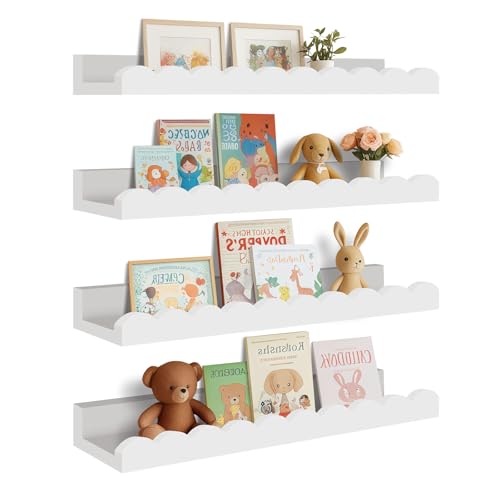
【Multifunctional Design】The Nursery Book Shelves is very suitable for storing books, toys, stuffed animals and game items, etc., to prevent items from falling to the ground and make them easy to access. Each bookshelf measures 15.75 inches x 4.13 inches, which is a must-have for children's room decoration and adds fun to life.
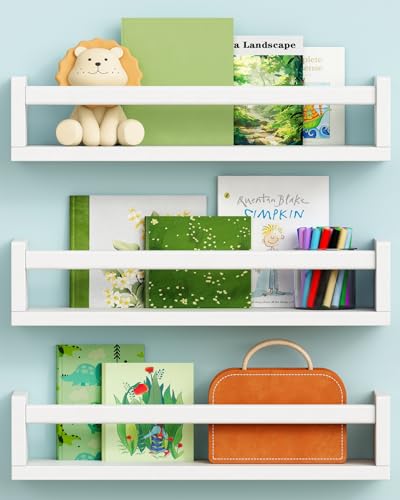
[Perfect for Nursery and Kids Room] Without taking up any floor space, mount these white nursery floating book shelves on your nursery wall or kids room wall, Kids can easily place picture books, stuffed animals and toys in wall shelving, where they’ll be off the floor and easy to reach by themselves.

【Space-Saving Corner Storage】 Make better use of unused wall corners with these cloud-shaped corner shelves. The compact design provides a practical way to display and organize books, toys, photos, plants and decorative items without taking up floor space.
7. A Cozy Reading Corner

Designing a cozy reading corner in your nursery can maximize space while nurturing a love for books from an early age. A small chair or beanbag along with a shelf can create an ideal spot for storytime.
Position your reading nook near a window to enjoy natural light, making it a warm and inviting retreat. Adding comfy cushions and a small side table for a beverage or toys enhances the comfort of this special space.
When designing your reading corner, consider:
– Selecting a low chair or beanbag for younger children.
– Using wall-mounted bookshelves to save floor space.
– Adding a soft rug for a cozy atmosphere.
Your little one will cherish this special corner for reading and cuddling, making it a delightful addition to the nursery.
Recommended Products

4-IN-1 CONVERTIBLE CRIB TRANSFORMS INTO BOOKSHELVES: Converts from crib (mattress sold separately) to toddler bed (guardrail kit sold separately), daybed, and functional bookshelves to keep your child's books organized long after they outgrow the crib.

TIMELESS, CLEAN DESIGN— VERSATILE, EASY-TO-MATCH STYLE: The Graco Hadley 5-in-1 Convertible Crib and Changer with Drawer features clean lines, timeless details, and an easy-to-match versatile design making it the perfect addition to any nursery

BSA VERIFIED AND GREENGUARD Gold CERTIFIED: GREENGUARD Gold independently tests for over 360 chemical emissions. Combined with BSA verification, ASTM and CPSC compliance, and third-party testing for lead and toxic elements, every surface your baby touches has been rigorously evaluated for safer sleep.
8. Floating Crib
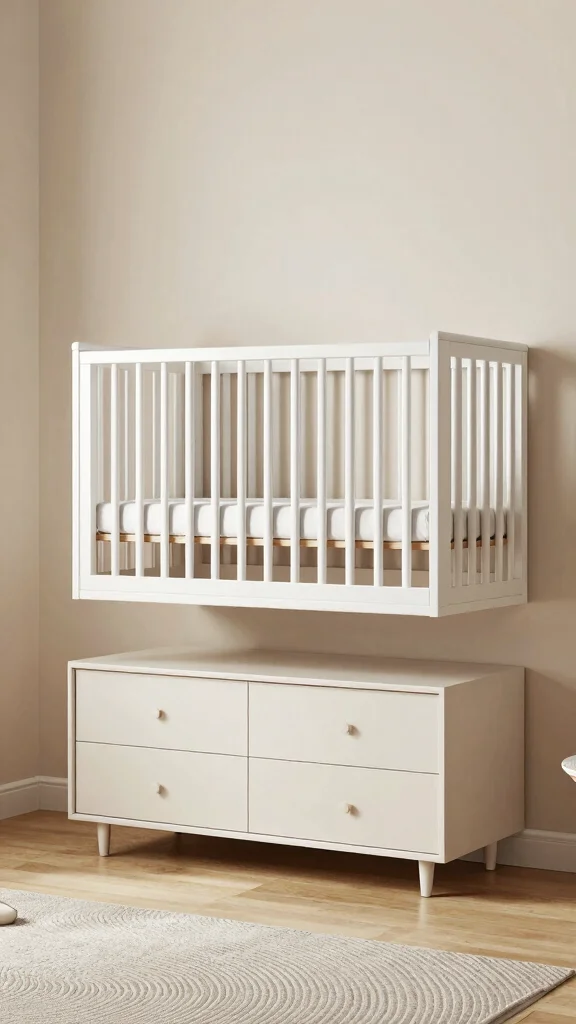
Consider a floating crib design that creates an illusion of spaciousness. A crib that appears to ‘hover’ adds a modern flair to your nursery while optimizing floor area.
This aesthetic not only looks sleek but also allows for better flow in a small room. Pair it with a low dresser or changing table beneath to maintain functionality without crowding the space.
Important factors for this look include:
– Ensuring safety and stability in the floating design.
– Using minimalist decor to enhance the open feel.
– Keeping the floor clear to amplify the room’s spaciousness.
A floating crib combines style and efficiency, offering a chic solution for small nurseries.
Small baby room layout tip: a floating crib can visually expand the space and boost flow. Keep safety a priority, and pair it with a low dresser to maximize floor area—your nursery will feel calmer and more open.
Recommended Products

DETACHABLE DIVIDER - The toy box have a removable divider board. You can attach it by velcro, which is great for organizing different items separately, you can detach the divider for store bigger things, like blankets, large toys, etc
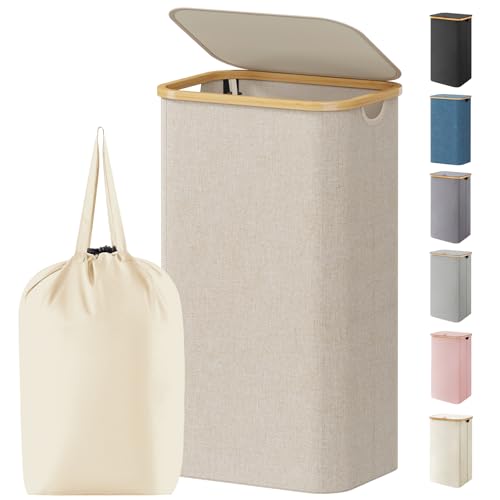
Essential Organizer: Store dirty clothes, blankets, shoes and more with this laundry hamper. With its lid design, you can place it in your bedroom, bathroom, laundry room and college dorm. Ideal for home storage use, its neutral style matches any decor

★ LONG-LASTING QUALITY! Not all drawer organizers are created equal. Our fabric drawer organizer is built from ultra-sturdy, breathable material with reinforced stitching so every dresser drawer organizer and drawer organizer bin holds its shape for years to come!
9. Mobile Storage Solutions
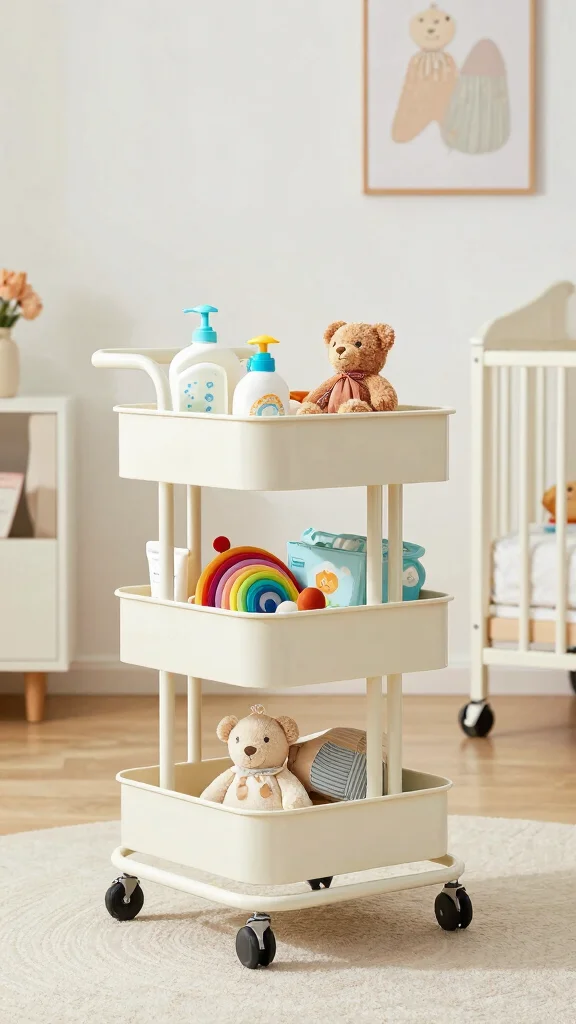
Incorporate mobile storage options like rolling carts or baskets to enhance your nursery’s flexibility. These versatile storage solutions can be easily moved, allowing you to position essential items where you need them most.
Having mobile storage means you can keep necessities close to the crib or changing area and tuck them away when not in use. This adaptability maximizes both play and living space.
Ideas for mobile storage include:
– Use rolling carts for diapers, wipes, and changing supplies.
– Opt for trolley carts for arts and crafts as your child grows.
– Choose woven baskets for easy placement anywhere.
Mobile storage simplifies organization and encourages a fluid, dynamic nursery design.
10. Room Dividers
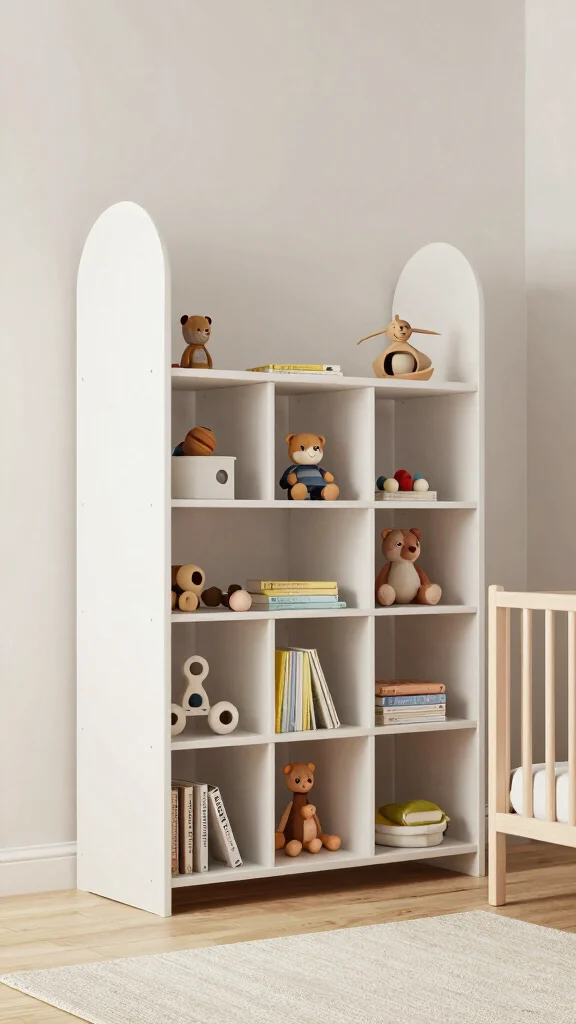
Implement room dividers to create distinct areas within a small nursery. This strategy can effectively separate zones for sleep, play, and changing, fostering functionality in a compact space.
Lightweight dividers can offer a playful way to designate areas without fully enclosing them, maintaining an airy atmosphere. Consider using a fabric screen for softness or a decorative shelving unit to display toys.
Key considerations include:
– Opting for sheer materials to keep the space feeling open.
– Adding shelving dividers for extra storage and display.
– Ensuring decor consistency across sections for a unified look.
Through strategic room dividers, you can craft a multifunctional space that adapts to your needs.
11. Layered Textures
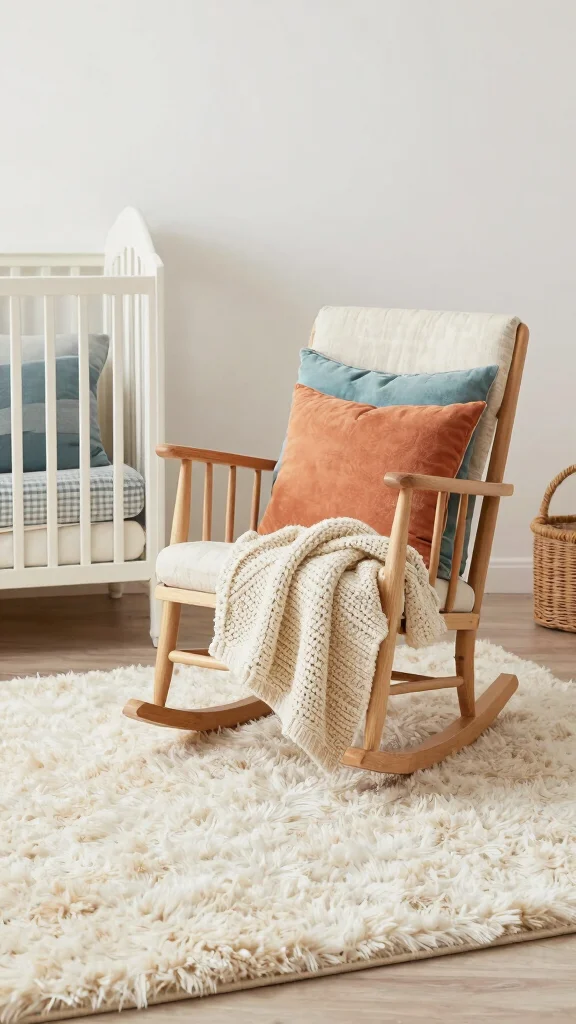
Enhance your nursery’s visual appeal by layering different textures. Combining soft blankets, plush rugs, and knitted elements can create a cozy atmosphere while maintaining style.
Using varied textures adds warmth and depth, ensuring the room feels inviting. Mixing materials like wood, fabric, and metal contributes to a modern yet comfortable aesthetic.
Ideas for layering textures include:
– Pairing a soft rug with cushions in contrasting fabrics.
– Utilizing textured wall art or decals for visual interest.
– Mixing knitted blankets, soft pillows, and plush toys.
Thoughtfully layering textures creates a rich, welcoming environment that feels like home.
12. Play Area Integration
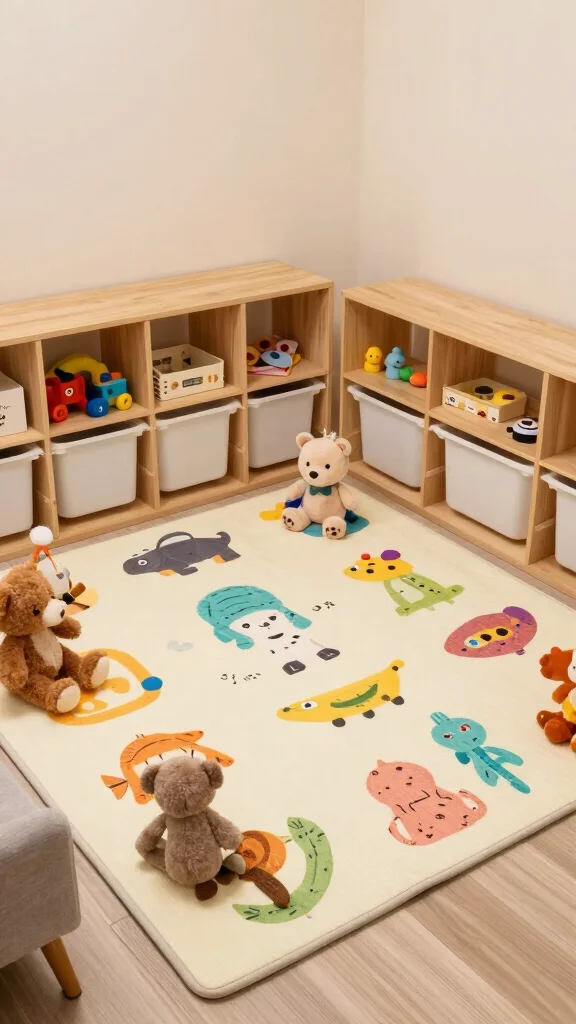
Integrating a play area within your nursery maximizes space effectively. Designate a section with a small playmat and storage for toys, encouraging play while remaining close to sleeping areas.
This seamless integration allows you to monitor your baby during playtime while they nap. Use organizing bins or baskets nearby for easy cleanup.
Key considerations for a successful play area include:
– Selecting age-appropriate and safe toys.
– Using a colorful, soft playmat to define the area.
– Positioning play items near the crib for easy transitions.
Creating a play area in your small nursery provides a perfect balance of functionality and fun.
13. Ceiling-Mounted Décor
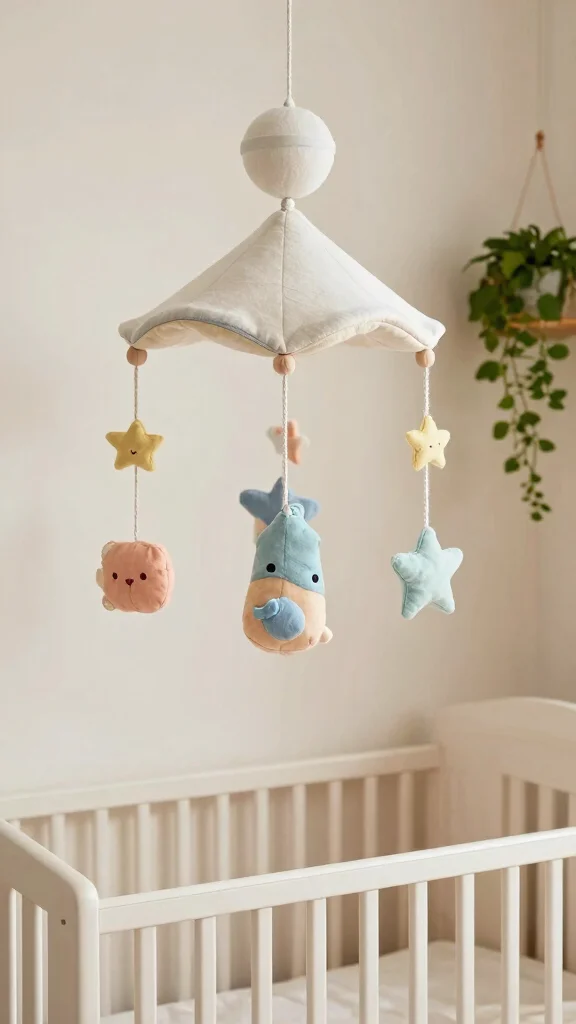
Utilize vertical space by incorporating ceiling-mounted decor such as mobiles or hanging lights. This adds charm and creativity without occupying valuable floor space.
Mobiles above the crib not only entertain your baby but also enhance your nursery’s design theme. Consider hanging lightweight decorative items or even plants for a touch of whimsy.
Here are some ideas for ceiling-mounted decor:
– Use soft fabric mobiles that match the nursery theme.
– Hang plants to introduce a fresh, natural vibe.
– Choose stylish light fixtures that are functional and appealing.
Incorporating ceiling-mounted decor elevates the feel of your small nursery while optimizing floor area.
14. Simplified Toy Storage
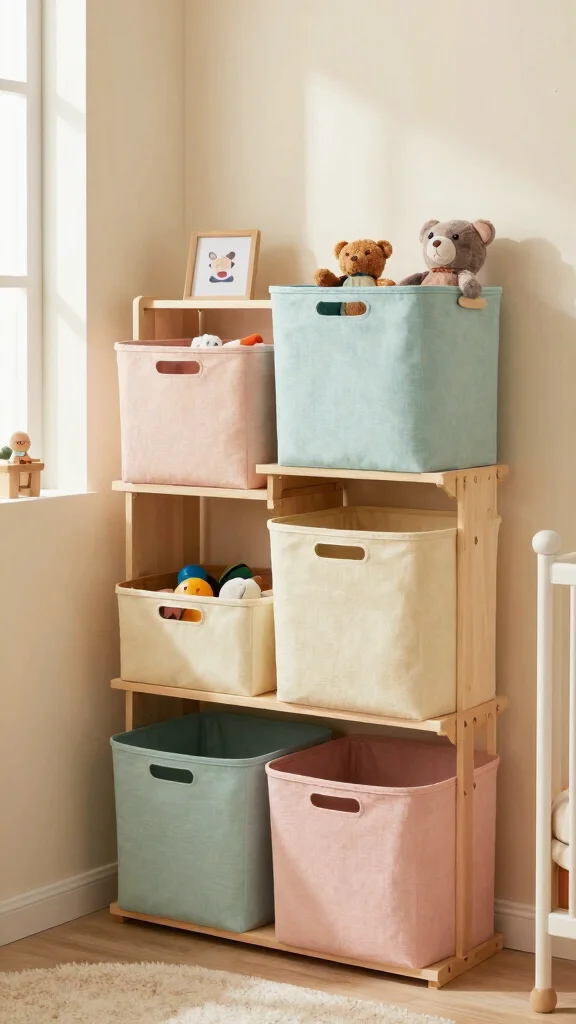
Maintain an organized space with simplified toy storage solutions that blend seamlessly with your nursery decor. Open bins or baskets make toys easily accessible while keeping the room looking tidy.
Consider labeling baskets for different types of toys or using a cohesive color scheme. This approach not only aids in organization but also promotes independence as your child grows.
Tips for effective toy storage include:
– Opting for clear bins for visibility and ease.
– Designating areas for larger toys.
– Rotating toys regularly to keep things fresh.
Simplifying toy storage creates a stress-free environment that is both visually appealing and practical.
15. Colorful Accents

Incorporating colorful accents can energize a small nursery without overwhelming the space. Select a few standout pieces, like vibrant curtains or a playful rug, to introduce a splash of color.
This approach maintains a calming base while offering visual interest. You can easily rotate these accents as your child’s tastes evolve, keeping the environment engaging.
Consider these tips when choosing colorful accents:
– Limit vibrant colors to a few key pieces.
– Ensure colors complement existing decor.
– Include color in smaller items such as toys or wall art for easy updates.
With colorful accents, you can showcase your style while maintaining a minimalist aesthetic.
16. Minimal Décor
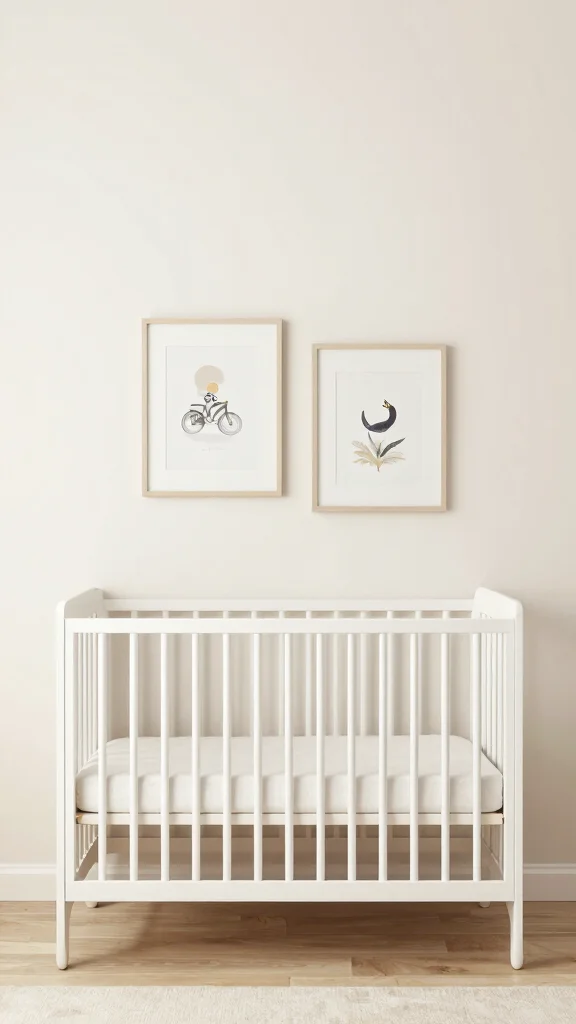
Adopting a minimal decor approach helps prevent your small baby room from feeling cluttered. Choose a select few key pieces that reflect your style while enhancing the space without overwhelming it.
A handful of framed prints, a statement piece, or a gallery wall can create visual intrigue without occupying precious room. Sticking to a theme allows for a cohesive look, utilizing colors and textures that complement one another.
For minimalist decor, consider:
– Selecting functional decor, like a shelf that displays toys.
– Avoiding overcrowded surfaces with excessive decorative items.
– Utilizing negative space to enhance the minimalist feel.
By keeping decor minimal, you create a serene and inviting environment that feels open and airy.
17. Smart Room Planning

Effective room planning is vital for maximizing your small nursery’s potential. Before rearranging furniture, measure your space to ensure everything fits and flows harmoniously.
Consider the layout based on your baby’s routine—strategically positioning the crib and changing area for convenience. A thoughtful design plan streamlines daily activities, making them more efficient and enjoyable.
Helpful planning tips include:
– Sketching your design ideas before making commitments.
– Utilizing corners and nooks for added functionality.
– Anticipating future needs, like space for a toddler bed.
With smart room planning, your small baby room will be both stylish and functional, designed for ease of use.
Conclusion
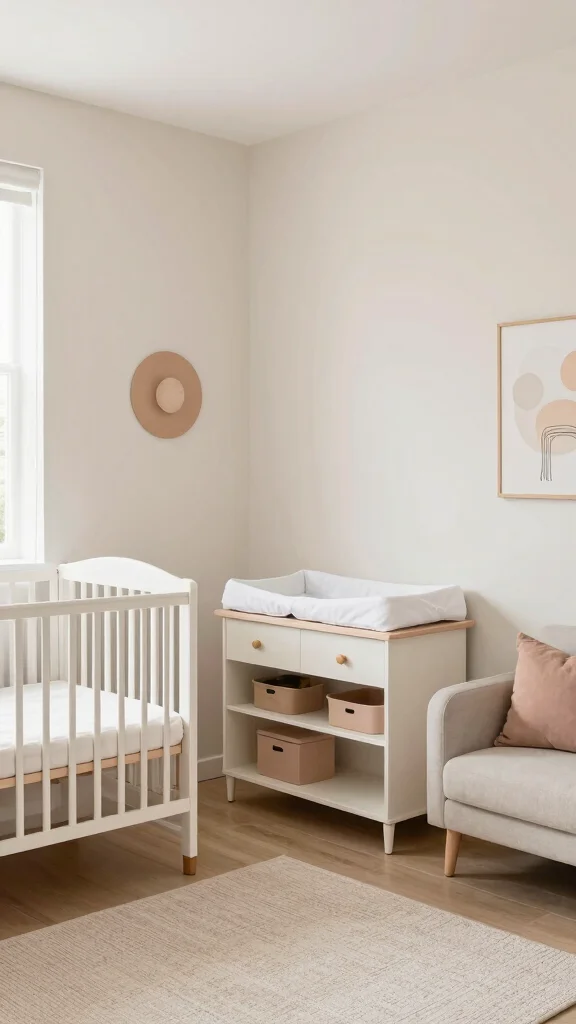
Designing a small baby room can be a rewarding challenge, filled with opportunities to showcase creativity while maximizing space. With these 17 layout ideas, you can transform any small nursery into a cozy and organized haven for your little one.
By incorporating multifunctional furniture, clever storage solutions, and thoughtful decor, your small space can feel larger and more welcoming. Remember, it’s all about making the most of what you have and creating a warm environment for you and your baby.
Frequently Asked Questions
How can I create a practical small baby room layout that maximizes space?
Start with a floor plan that keeps a clear flow for changing, sleeping, and storage. Measure the room and sketch zones for sleeping, changing, and diapering to create a true small baby room layout that maximizes space. Put the crib on the longest wall and install a wall-mounted changing station to keep the floor free. Choose compact baby furniture and pieces that multitask, like a dresser that also serves as a changing table. Use tall, slim shelves and labeled bins for baby room organization without clutter. Opt for light colors and minimal decor to boost the sense of openness and calm.
What are the best space-saving nursery ideas for a minimalist small nursery?
Here are practical space-saving nursery ideas you can implement today: use wall-mounted shelves and hooks to free floor space, choose a compact crib or a convertible design, pick a dresser that doubles as a changing station, and add under-crib or under-dresser storage. Rely on vertical storage like tall bookcases and slim wardrobes to maximize wall space, and limit small nursery decor to a few meaningful pieces to avoid clutter. Keep a simple color palette to enhance openness, and rotate toys to maintain a tidy look without losing play options.
Which compact baby furniture pieces are must-haves in a small nursery?
Prioritize function and durability. A compact crib or mini crib that fits your layout, a dresser that doubles as a changing table, a wall-mounted changing station for clean floors, and a tall dresser or slim wardrobe for storage. If space allows, a small glider can be added without crowding, and a slim bookcase or floating shelves keep books and toys organized. Choosing pieces that multitask helps maintain a calm, uncluttered space while keeping essentials within easy reach.
How can I keep baby room organized with limited space?
Create zones for sleep, diapering, and play, then stick to them. Spend 5 minutes daily tidying and return items to clearly labeled bins or baskets. Use clear or labeled storage for diapers, wipes, clothes, and creams. Maximize closet space with organizers, shelves, and slim hangers, and rotate toys every month to reduce visual clutter. Store frequently used items at arm’s reach with vertical storage and wall hooks. This simple system keeps the room functional and makes baby room organization a breeze.
How can I decorate a small nursery without clutter while staying stylish?
Choose a light, cohesive color palette and limit small nursery decor to a few statement pieces. Use removable wall decals instead of heavy frames, and install floating shelves to display a couple of meaningful items. Pick functional decor like baskets, a soft rug, and a mirror to visually expand the space. Keep surfaces clear and opt for multi-function items like a nightlight with a built-in charging station. Apply efficient room design principles: every item serves a purpose and fits the room’s flow.
Related Topics
small baby room layout
minimalist nursery
space-saving ideas
baby room organization
compact furniture
efficient design
small nursery decor
beginner friendly
budget friendly
DIY nursery
modern baby room
parenting tips

I've spent years obsessing over the details that make a house feel like a home — from the perfect bedding layers to a thoughtfully styled coffee corner. My focus is on modern, aesthetic home decor ideas that are beautiful, trend-aware, and actually achievable. Great style shouldn't require a big budget — just the right inspiration.
Follow on Facebook