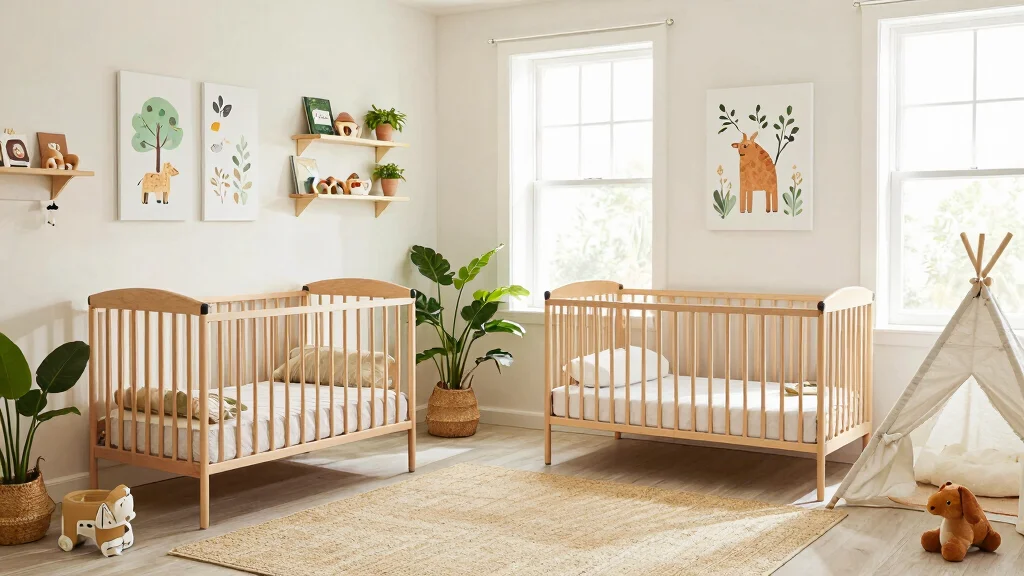

Creating a shared space for your little ones can often feel overwhelming. As parents, you want your baby and toddler’s shared room to be cozy, functional, and fun. You might be craving ideas that reflect your eco-friendly values while also meeting the needs of your growing kids. This post is designed to spark your creativity and help you visualize how to beautifully set up a room that both your baby and toddler will love.
If you’re a parent or caregiver aiming to create a nurturing environment, you’re in the right place. Whether you’re working with a small space or simply looking for inspiration, this collection of ideas is tailored for you. It brings together eco-friendly solutions and enchanting decor that not only make the room enjoyable but also sustainable.
In this post, you’ll discover 17 creative baby and toddler shared room ideas. These ideas are not just stylish; they’re also practical. You’ll find everything from cozy corners and playful wall art to space-saving furniture and functional storage solutions. With these tips, you can create a space that grows with your children while keeping sustainability at the forefront.
Key Takeaways
– Discover cozy corner setups that foster comfort and bonding between siblings, making bedtime a delightful experience.
– Explore playful wall art options that can engage your children’s imagination while adding color and charm to the room.
– Learn about space-saving bunk beds that free up floor space for play, ensuring both safety and style.
– Find innovative functional storage solutions that help keep toys and essentials organized, making cleanup easier for you and your kids.
– Embrace eco-friendly furniture choices that not only benefit the planet but also create a healthier space for your little ones.
1. Cozy Corner Crib Setup
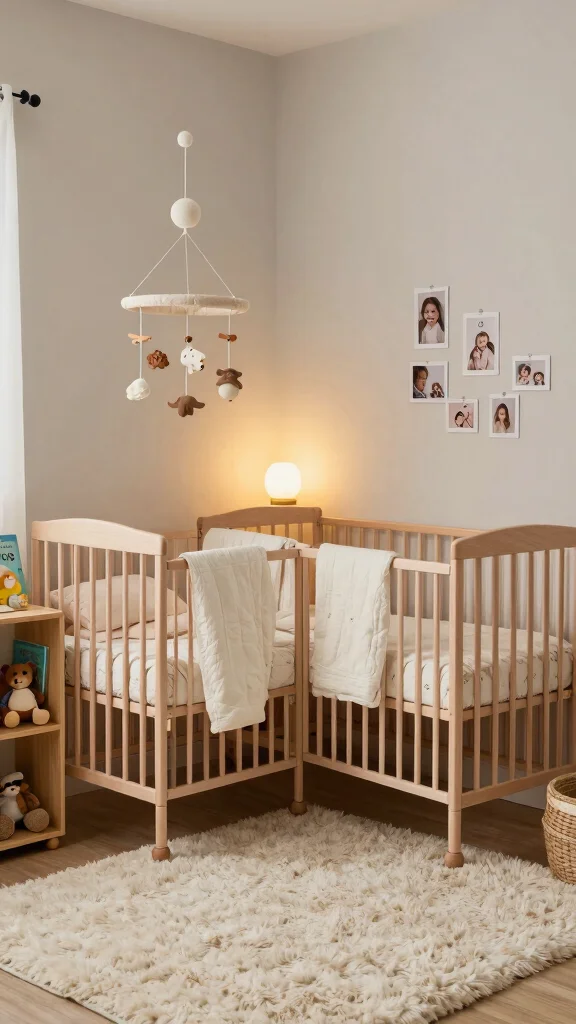
Creating a cozy corner for cribs can transform a shared room into a warm and inviting space. Positioning cribs side by side or staggered in a corner optimizes room layout while keeping the little ones close, fostering a sense of security. Opt for cribs made from sustainably sourced wood, ensuring a safe environment free from harmful chemicals. This arrangement not only saves space but also creates a snug nook where children can feel at ease together.
To enhance comfort, incorporate soft textiles like organic cotton crib bedding and a plush area rug. A gentle nightlight can make bedtime more soothing, helping both kids transition to sleep peacefully.
Consider these elements to maximize this setup:
– Pair sage green cribs with a light-toned wall color for a fresh look.
– Install a small bookshelf nearby for easy access to bedtime stories.
– Use whimsical bedding that reflects your children’s personalities.
By creating a cozy corner crib setup, you prioritize comfort while embracing eco-friendly choices that enhance the overall room aesthetic.
Did you know that positioning two cribs in a cozy corner can free up about 20% more floor space in a baby and toddler shared room? Eco-friendly, sustainably sourced wood cribs reduce chemicals and boost safety, turning a snug nook into a calm, practical sleep zone.


How To Choose Eco-Friendly Baby and Toddler Shared Room Decor
Choosing the right decor for a baby and toddler shared room can feel overwhelming, especially when you want to create a beautiful and functional space that is also eco-friendly. Here’s how to navigate your selection process.
1. Size Matters
When designing a shared room, consider the available space. Measure the room dimensions to understand how much area you have to work with. Look for furniture that fits well without crowding the space. A good rule of thumb is to leave at least 24 inches of walking space around beds and other key pieces.
2. Material Quality
Opt for materials that are sustainable and safe for your kids. Look for non-toxic paints, organic fabrics, and solid wood furniture. Avoid items with harmful chemicals like formaldehyde or volatile organic compounds (VOCs). Check for certifications, like GREENGUARD or OEKO-TEX, which ensure products have met safety standards.
3. Functional Storage Solutions
A shared room can quickly become cluttered with toys and clothes. Choose multifunctional furniture such as storage beds or benches that double as seating. Baskets and bins made from natural fibers are great for keeping items organized while adding a touch of style. Aim for storage options that are easily accessible for both kids.
4. Playful Wall Art
Incorporating fun and engaging wall art can transform the room into a playful environment. Look for eco-friendly prints or DIY options made from recycled materials. You can even create a rotating art gallery featuring your kids’ own creations. This not only personalizes the space but also encourages creativity.
5. Budget-Friendly Choices
Establish a budget before you start shopping. To save, consider purchasing second-hand furniture that you can upcycle or refinish. Look for sales or eco-friendly shops that offer discounts on sustainable products. Keep an eye out for local artisans who make unique, handmade items that support local economies.
6. Lighting and Ambiance
Lighting plays a crucial role in creating a cozy atmosphere. Select energy-efficient LED bulbs that provide bright yet warm light. Consider adding dimmers to give you control over the mood during different times of the day. Natural light is also important, so keep window treatments light and airy to allow sunlight to flow in.
Pro Tip: Involve your children in the decision-making process. Let them pick out a few decor items or colors they love. This will make them feel more at home and create a sense of ownership in their shared space. Plus, it can be a fun bonding experience!
By following these guidelines, you can create a harmonious, eco-friendly baby and toddler shared room that is both stylish and practical. The right choices will foster a nurturing environment for your children to grow, play, and learn. Happy decorating!
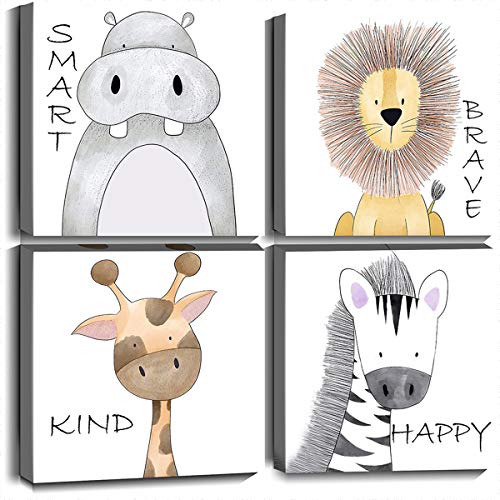
2. Playful Wall Art
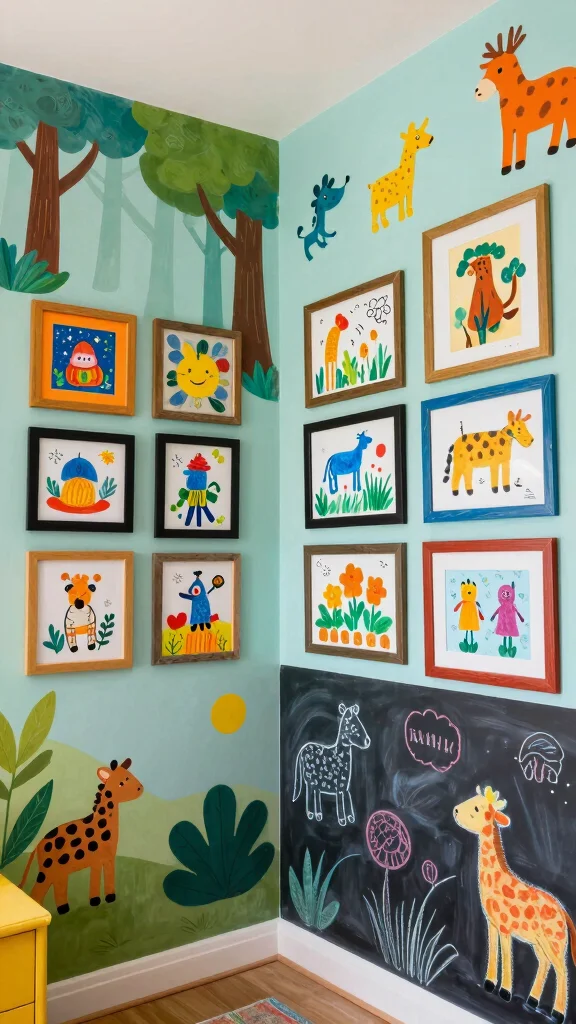
Wall art is an excellent way to inject personality into a shared room while captivating toddlers’ imaginations. Opt for playful wall decals made from eco-friendly materials that are easily removable and replaceable as your kids grow. Choose themes like animals or storybook characters to inspire creativity and joy.
A mural can serve as a stunning focal point, and involving your children in the painting process can turn it into a fun family project. This allows for a dynamic design that evolves with their interests.
Here are some engaging ideas for wall art:
– Create a gallery wall with your kids’ artwork framed in recycled materials.
– Incorporate nature-inspired art prints using non-toxic inks.
– Use chalkboard paint on one wall for interactive creativity.
This approach not only beautifies the room but also gives your children an outlet for self-expression, making their shared space uniquely theirs.



3. Space-Saving Bunk Beds
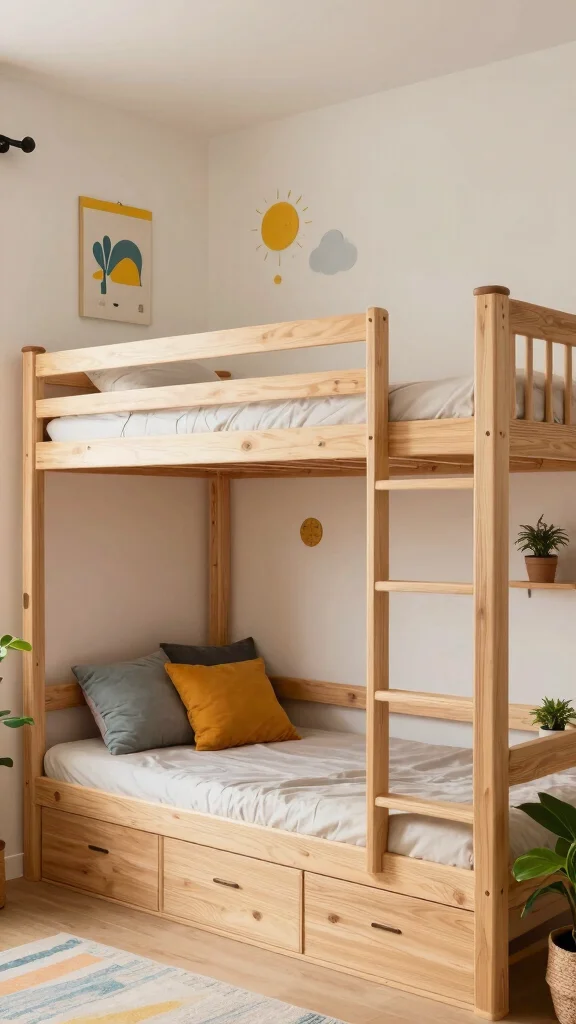
Bunk beds are a stylish and practical choice for shared rooms, perfect for maximizing space while adding an element of fun. Look for models made from sustainably sourced wood and finished with non-toxic materials, creating a safe adventure-like atmosphere for your toddlers.
Opt for designs with built-in storage drawers or shelves to hold books and toys, maintaining a clutter-free play area. Adding bedside lighting to the bunk enhances comfort during nighttime without taking up precious floor space.
Consider these benefits of bunk beds:
– Encourage independent sleep habits as kids learn to climb safely.
– Create a cozy reading nook underneath with soft cushions and lights.
– Choose designs that can split into two single beds as they grow.
This arrangement fosters creativity, saves space, and promotes environmentally friendly living all at once.


4. Color-Coded Organization
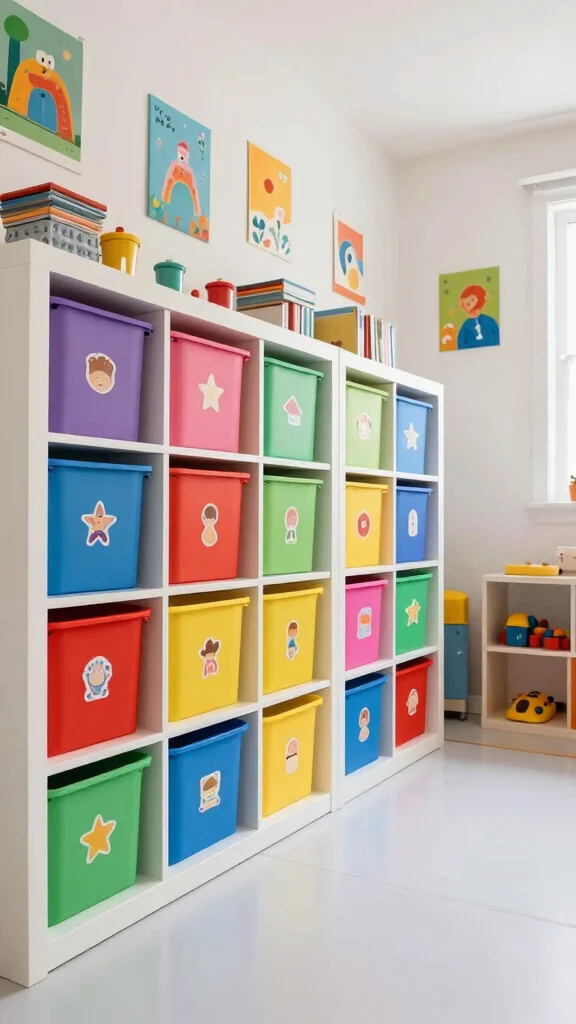
Organizing a shared room can be a challenge, especially with toys and clothes scattered about. Implementing a color-coded organization system helps each child know where their belongings belong while adding visual appeal to the room.
Use eco-friendly baskets in vibrant colors to hold toys, labeling them to identify whose items are inside. This not only teaches responsibility but also makes clean-up time much more manageable.
Here are some organization tips:
– Use vertical shelving to keep the floor space clear.
– Encourage kids to decorate their baskets with stickers of their favorite things.
– Create a simple rotation system for toys to keep playtime fresh.
By establishing a color-coded system, you make organization enjoyable while promoting sustainability in your children’s shared space.
Did you know 40% of families with a baby and toddler shared room cut cleanup time by half after adopting color-coded baskets? Labeling each bin helps kids know where belongings belong, making organization eco-friendly and surprisingly calm during tidy-up time.
5. Eco-Friendly Furniture Choices
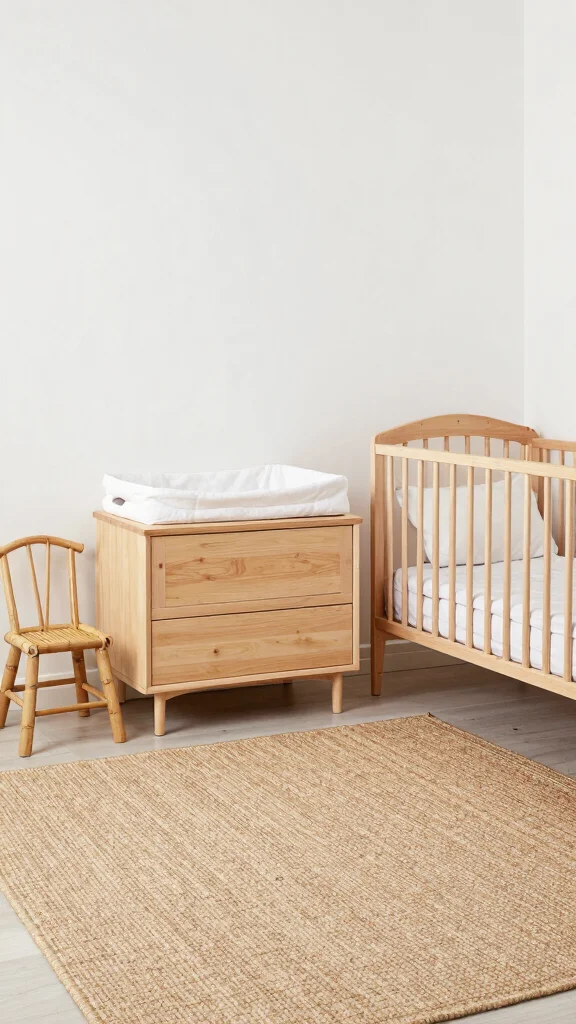
Choosing eco-friendly furniture is vital when designing a shared baby and toddler room. Look for pieces crafted from recycled or sustainably sourced materials to minimize environmental impact and reduce exposure to harmful chemicals.
Opt for multi-functional furniture, such as cribs that convert to toddler beds or desks that adapt as your child grows. This approach saves space and reduces the need for future purchases.
Consider these eco-friendly furniture options:
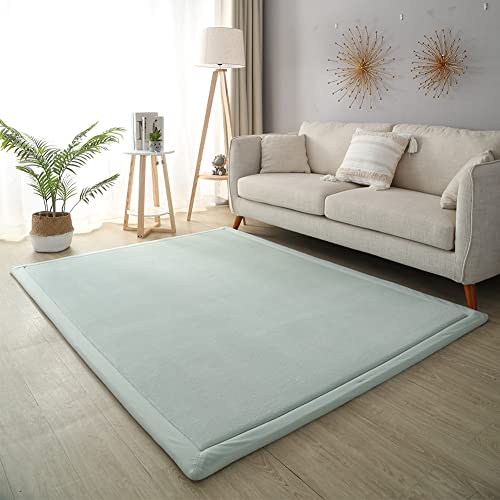
– Use natural fiber rugs instead of synthetic ones for warmth.
– Choose a changing table that doubles as a dresser for seamless transitions.
– Look for chairs made from bamboo or reclaimed wood for durability and style.
Incorporating eco-friendly furniture fosters a healthy environment while laying the groundwork for sustainable living habits.


6. Cozy Reading Nook
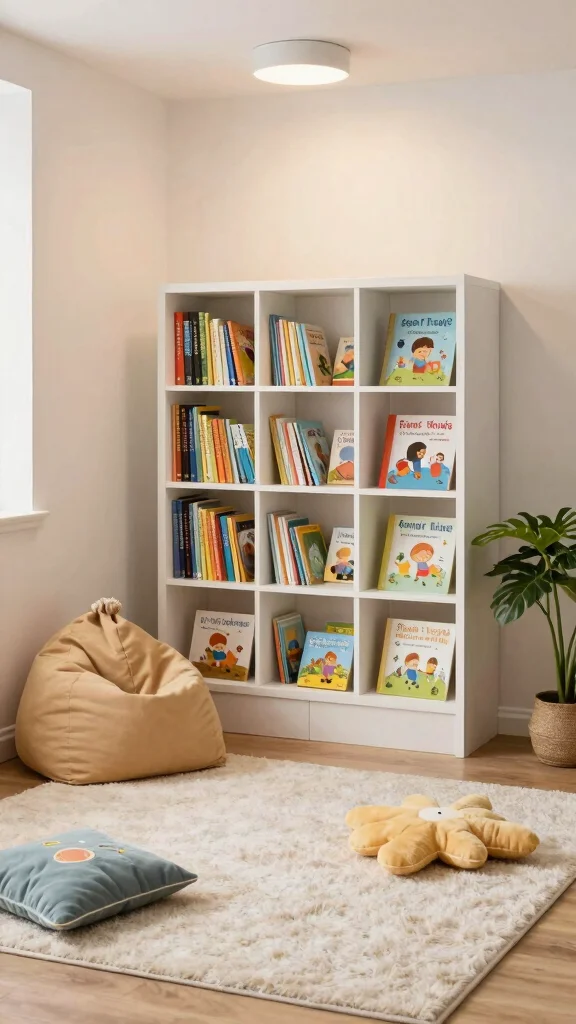
Creating a cozy reading nook in your shared room can ignite a love for books in both children. Select a corner with plenty of natural light and place a small bookshelf filled with age-appropriate books. Add plush cushions or a small bean bag for comfort, inviting storytelling and quiet moments.
Incorporate eco-friendly decor, such as a handmade wooden book holder or toys made from natural materials, to enhance the space’s charm. Adding an indoor plant can teach kids about nurturing living things while brightening the area.
Here are some essentials for your reading nook:
– Choose low shelves so kids can easily access their favorite books.
– Use soft lighting for a warm atmosphere during bedtime stories.
– Include a cozy blanket for snuggling that enhances comfort.
The reading nook becomes a special retreat, fostering bonding and imagination between siblings.


7. Sustainable Decor Solutions
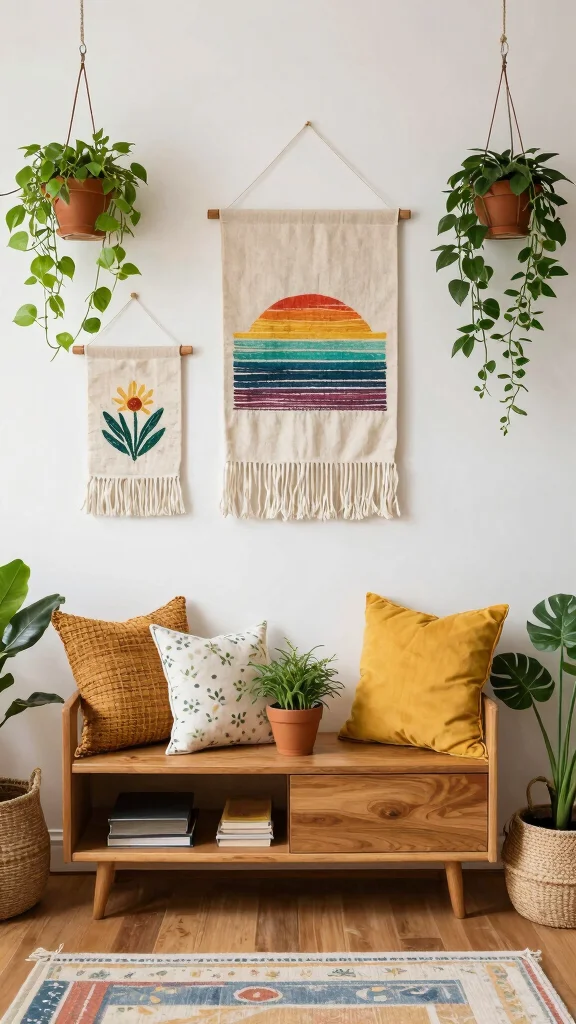
Decorating a shared room is a delightful opportunity to showcase your children’s personalities. Seek sustainable decor options that are unique and stylish. Handmade pieces or items from local artisans often use eco-friendly materials, giving a personal touch to the space.
Create fabric wall hangings from organic cotton or linen, gentle on the environment and easy on the eyes. Hanging plants can add life and greenery without occupying floor space.
Here are some sustainable decor ideas:
– DIY wall art from recycled materials like cardboard or felt.
– Use second-hand furniture that can be upcycled with a fresh coat of paint.
– Incorporate natural elements like wood and stone to enhance the eco-friendly atmosphere.
With sustainable decor, you beautify the room while encouraging your kids to respect the environment.
8. Bright and Natural Lighting
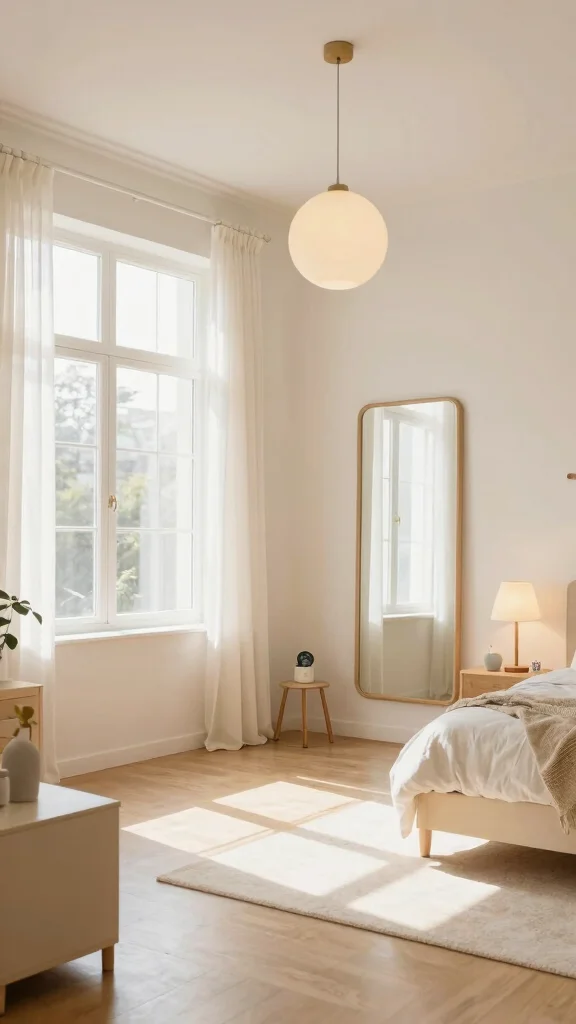
Lighting is crucial in any bedroom, and for a shared baby and toddler room, creating a bright and airy environment is key. Utilize large windows and sheer curtains to maximize natural light, creating a cheerful atmosphere throughout the day.
In addition to natural light, consider adding dimmable lighting options like soft pendant lights or bedside lamps. This allows you to adjust brightness for bedtime stories or nighttime comfort, enhancing the soothing environment.
Here are some lighting tips:
– Use energy-efficient LED bulbs to save on energy costs.
– Position mirrors to reflect light and make the room feel larger.
– Add string lights for whimsical nighttime ambiance.
A well-lit room enhances mood and encourages joyful play in your children’s shared space.
9. Personal Touches
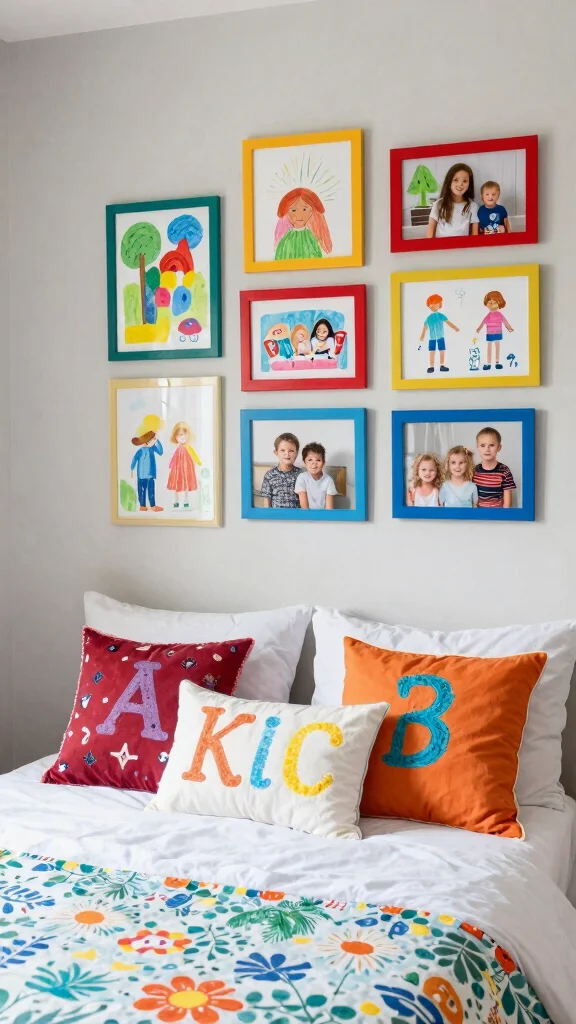
Incorporating personal touches in a shared room can create a sense of belonging for both kids. Encourage them to display their artwork on walls or create a collaborative art corner where they can express themselves freely.
Using family photos in fun frames can evoke warmth and connection. Consider a bulletin board where they can pin favorite drawings, photos, or inspirations.
Here are some ideas for personal touches:
– Personalize bedding and storage bins with each child’s name or initials.
– Create a mini-gallery of their art showcasing various colors and textures.
– Use a mix of favorite colors in pillows and decor to reflect their personalities.
Personal touches nurture a loving environment, helping your children feel connected to their shared space.
10. Multi-Functional Play Area
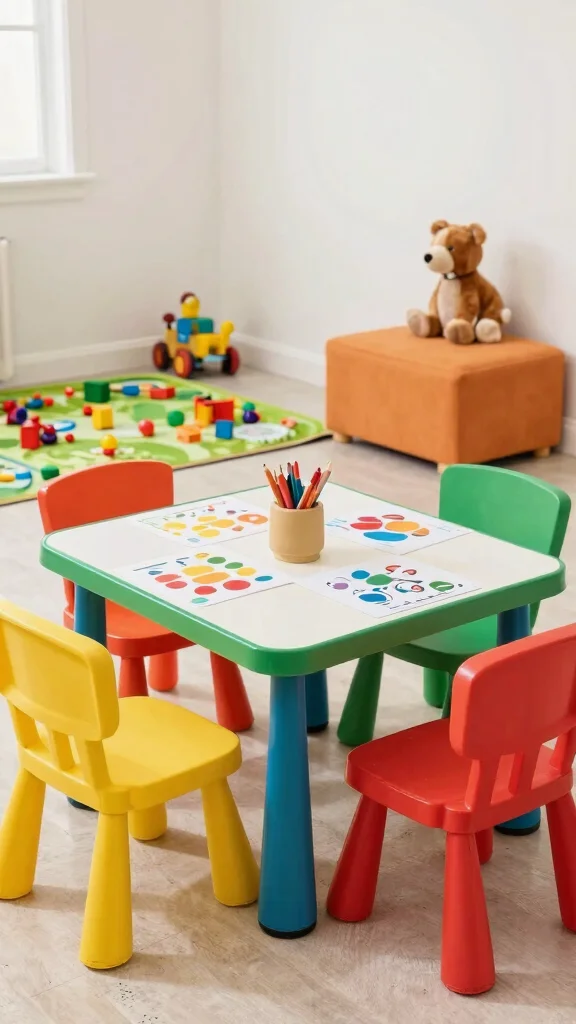
Designating a multi-functional play area within the shared room encourages creativity and engagement. This space can feature a small table for arts and crafts, a play mat for floor activities, and storage for toys. Use furniture that doubles as storage, such as an ottoman that holds toys or a table with drawers.
Introduce eco-friendly play materials like wooden blocks and fabric toys to promote sustainable play practices.
Essential elements for your play area:
– Use bright, non-toxic paint for furniture and walls to create a fun vibe.
– Incorporate a sensory bin filled with natural materials for tactile exploration.
– Create zones for different types of play to foster diverse experiences.
A well-planned play area not only sparks imagination but also keeps the room organized and functional.



11. Rotating Seasonal Decor
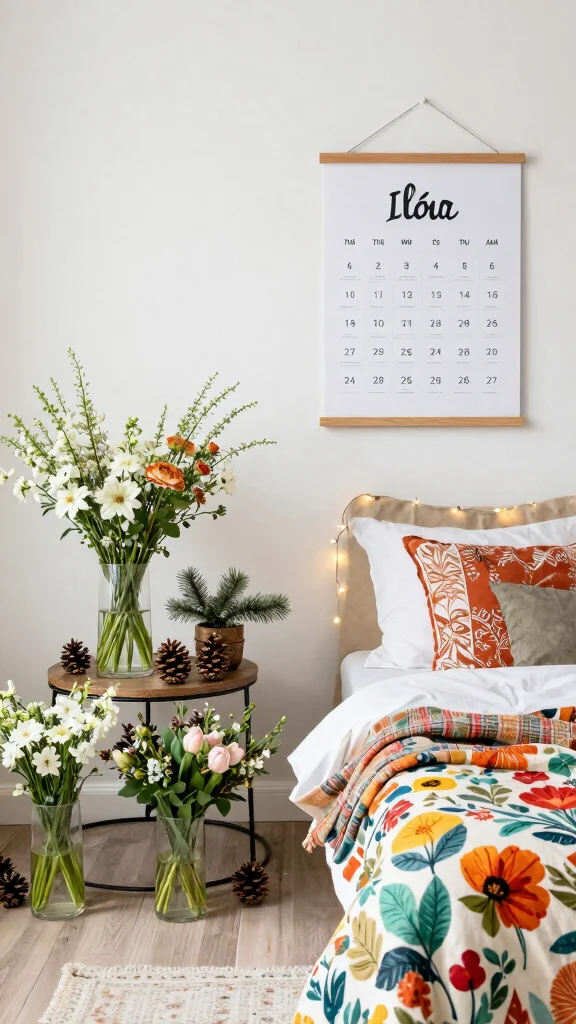
Rotating seasonal decor keeps the shared room feeling fresh and exciting for kids. Use simple, changeable decorations that reflect the seasons, encouraging children to appreciate nature’s cycles.
This can involve switching out bedding, wall art, and even toys with each season, allowing kids to participate in the changes. Lightweight, eco-friendly fabrics for bedding can shift with the season’s colors.
Seasonal decor ideas include:
– Use natural elements like pine cones in winter and flowers in spring.
– Create a seasonal calendar displaying upcoming holidays and activities.
– Include energy-efficient festive lights for the holidays.
This practice keeps the space engaging while teaching children about nature and mindful living.
12. Indoor Nature Elements
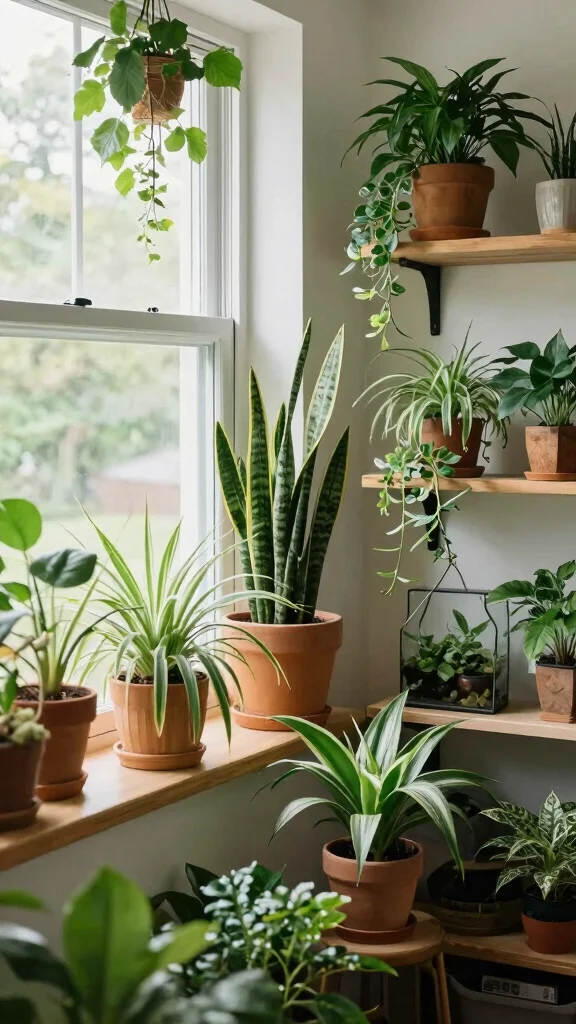
Bringing indoor plants into your shared baby and toddler room enhances air quality and creates a calming atmosphere. Choose non-toxic plants safe for children, like spider plants or snake plants, placing them on windowsills or shelves to add natural beauty that inspires curiosity.
Incorporate natural elements with wooden planters or terrariums, making them educational and interactive.
Tips for indoor plants:
– Teach kids how to care for plants, promoting responsibility and love for nature.
– Use hanging planters to save floor space while adding visual interest.
– Select biodegradable pots to reinforce the eco-friendly theme.
Indoor nature elements enrich the shared space, connecting children with the natural world around them.
13. Fun and Functional Regulating Zones
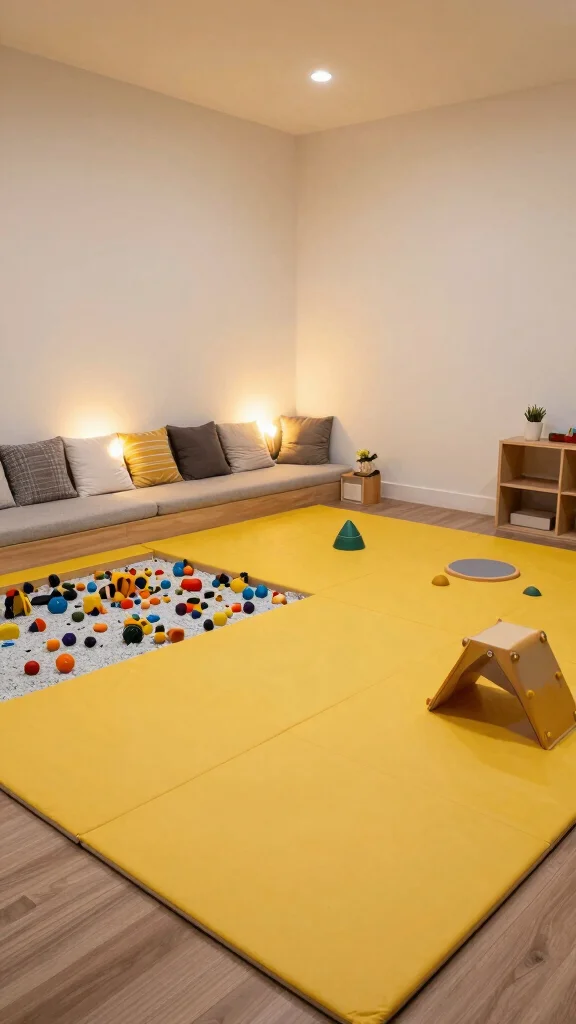
Creating regulating zones in a shared room helps children manage their emotions through dedicated spaces for different activities. Designate areas for calming activities, like reading or quiet time, and energetic play, like a mini obstacle course.
Define these zones with rugs, colors, or furniture arrangements for clarity.
Ideas for regulating zones:
– A cozy corner for reading with soft pillows and calming decor.
– An open space for energetic play, filled with soft mats and climbing structures.
– A quiet area with sensory toys and calming visuals for mindfulness.
Having clear zones supports emotional growth and opens discussions about feelings and self-regulation.
14. Playful Textiles and Patterns
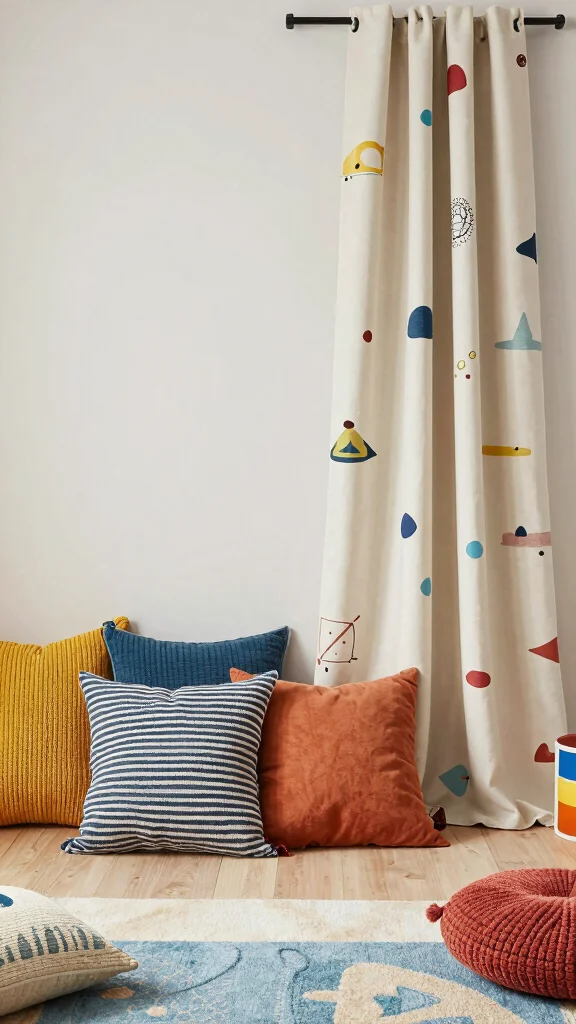
Incorporating playful textiles and patterns can bring joy to a shared room, sparking creativity and happiness. Mix and match cushions, throws, and curtains in bold colors and quirky designs that reflect each child’s personality while maintaining a cohesive decor.
Opt for organic cotton or linen to ensure comfort and environmental friendliness. Layer different patterns for visual interest, but keep a consistent color palette to avoid overwhelming the space.
Textile tips include:
– Use removable covers for easy cleaning, especially with little ones.
– Incorporate seasonal textiles that can be swapped regularly for a fresh look.
– Introduce various textures, such as knits and weaves, to make the space cozy and engaging.
Fun textiles create a lively environment, encouraging children to play and explore comfortably.
15. DIY Storage Solutions
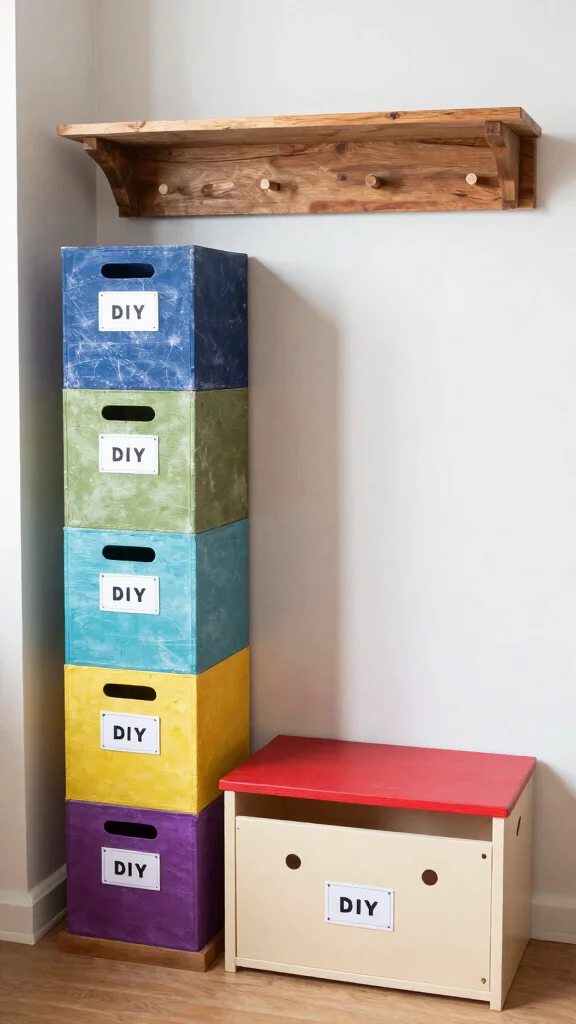
DIY storage solutions can be both functional and enjoyable, especially when crafting with your little ones. Involve them in creating personalized storage options that suit their needs, teaching responsibility along the way.
Design colorful, labeled boxes or bins from repurposed materials, providing an opportunity for creativity. Wall-mounted shelves made from reclaimed wood can serve as both decorative and practical storage solutions.
Here are some DIY storage ideas:
– Design custom pegs for hanging costumes or backpacks.
– Build a toy chest using eco-friendly materials that can double as seating.
– Create a magnetic chalkboard wall for stylish notes and drawings.
DIY storage solutions not only reduce clutter but also engage children in sustainable practices.
16. Embracing Minimalism
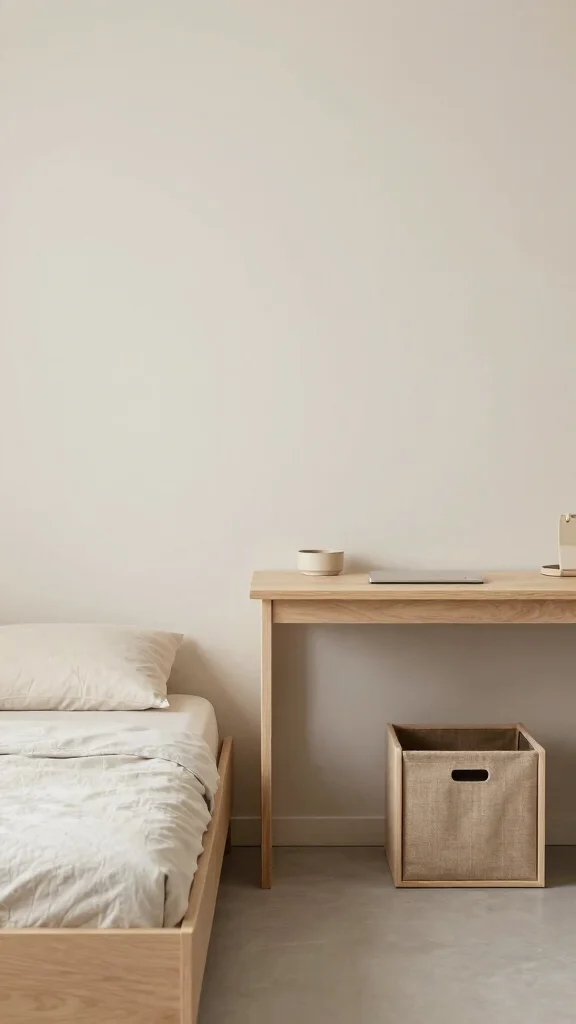
Embracing minimalism in a shared room simplifies organization and reduces distractions, creating a peaceful environment where children can focus on play and rest. Select a few well-designed, multifunctional pieces over many items, prioritizing quality over quantity.
Use eco-friendly storage solutions that blend into the overall design, keeping clutter at bay.
Minimalism tips include:
– Choose a limited color palette to maintain serenity.
– Involve your children in decluttering and donating unused toys to foster appreciation for simplicity.
– Implement a ‘one in, one out’ rule to manage new items entering the space.
A minimalist approach teaches children to cherish their belongings while fostering a peaceful atmosphere for shared moments.
17. Creating a Family Connection
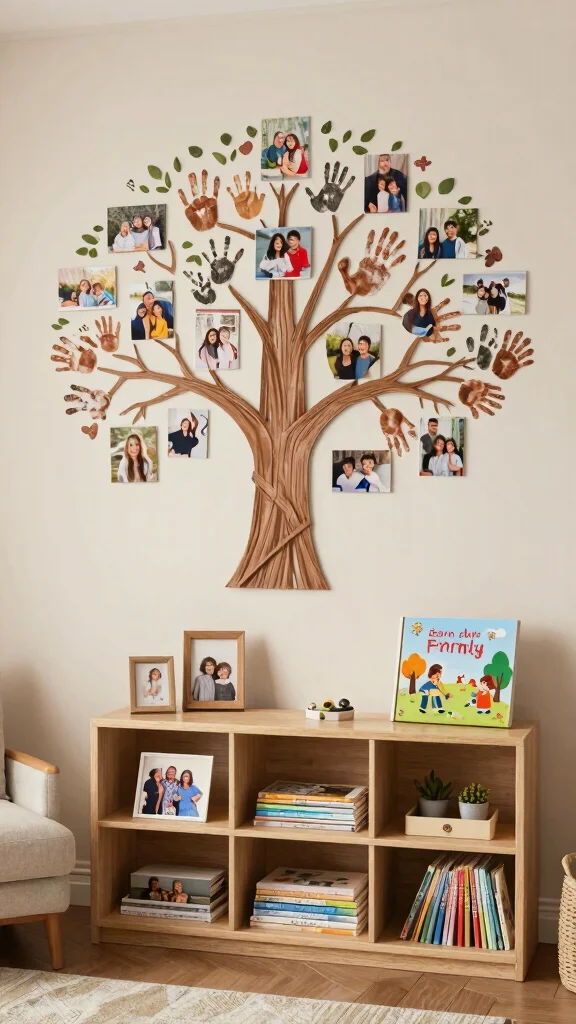
Creating a sense of family connection in a shared room can significantly strengthen the emotional bond between siblings. Incorporate elements that represent family traditions or values, such as handprints or special mementos displayed on a wall.
Encouraging your children to participate in decorating their shared space instills a sense of ownership and pride.
Here are some family connection ideas:
– Create a family tree wall where kids can add their handprints or pictures as they grow.
– Highlight family traditions through art or photos that tell your family story.
– Incorporate items that encourage family activities, like a game shelf or craft corner.
Involving children in the design process promotes togetherness, creating a nurturing and loving environment for both kids.
Creating a strong family vibe in a baby and toddler shared room starts with letting kids help decorate. Add a family-tree wall and monthly handprints—ownership breeds pride, and calm, collaborative spaces grow from daily tiny wins.
Conclusion
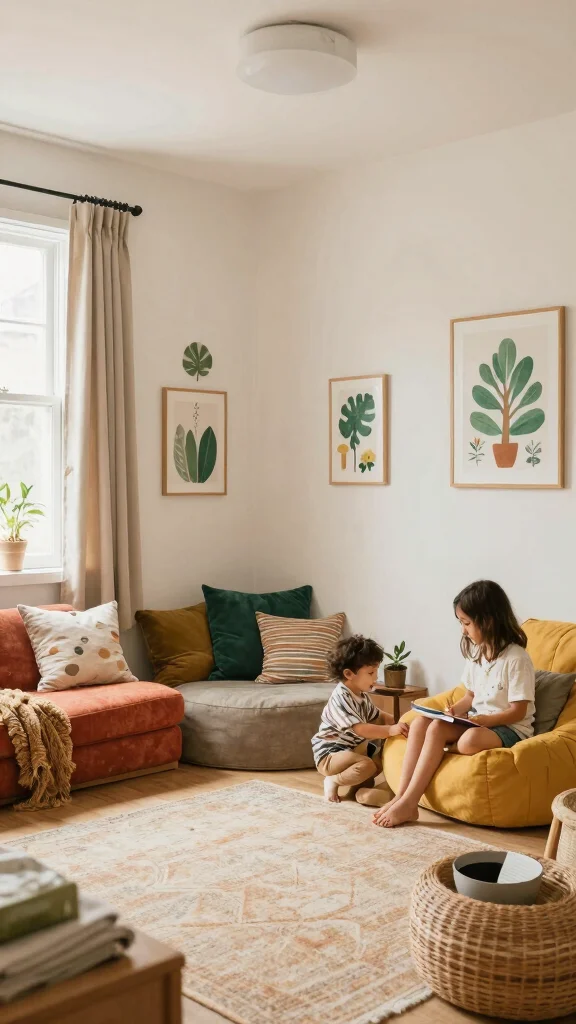
Incorporating eco-friendly design elements into a shared room for your babies and toddlers not only promotes sustainability but also creates a nurturing and creative environment. Each idea in this list fosters organization, encourages individuality, and strengthens family bonds.
By embracing nature-inspired decor, functionality, and playful design, you can create a beautiful space where your children can grow and thrive together. Let these ideas inspire you to craft a shared room that reflects your family’s love for each other and the planet.
Frequently Asked Questions
Question: What are the best space-saving, eco-friendly ideas for a baby and toddler shared room?
Think compact, sustainable, and kid-friendly. In a baby and toddler shared room, choose space-saving furniture like loft beds with built-in drawers or a bunk bed with dual storage. Use wall-mounted shelves to free floor space and create a vertical playground for books and toys. Pick non-toxic materials and organic fabrics for bedding to keep the space healthy. Plan zones for sleep, play, and storage, so each child has a clearly defined area without crowding. Add washable, durable textiles and low-VOC paints to keep the air fresh. By layering natural textures and eco-friendly decor, you get a stylish, practical room that grows with them.
Question: How can I organize a shared room for two kids to stay clutter-free using eco-friendly storage solutions?
Start with a simple layout that defines sleep, play, and storage zones. Use functional storage solutions that maximize vertical space, like tall cube organizers, open shelves, and labeled, breathable fabric bins. Choose furniture with built-in storage (like a bed with drawers) to reduce clutter in a baby and toddler shared room. Favor sustainably sourced materials, water-based finishes, and washable textiles so the setup stays kid-friendly and eco-friendly. Label bins by category and rotate toys to maintain a calm, organized space that both kids love.
Question: What are some playful wall art ideas for a baby and toddler shared room that are eco-friendly?
Opt for playful wall art that can be enjoyed today and adapted later. Use removable wall decals, fabric banners, or framed prints on recycled or responsibly sourced materials. Choose non-toxic paints and finishes for walls and furniture, and consider a magnetic or cork board to display evolving artwork. Keep color schemes flexible so the room grows with the kids, and rotate pieces to keep the space fresh without adding clutter. This approach blends shared room decor with sustainable materials for long-lasting charm.
Question: How can a baby and toddler shared room be designed to grow with kids and stay functional?
Design with adaptability in mind. Choose adjustable or modular space-saving furniture that can reconfigure as siblings grow, like modular storage cubes and adjustable height beds. Favor a neutral base palette that can evolve with shared room decor changes, and add flexible zones for sleep, play, and study. Use portable screens or movable storage to re-create spaces for different ages, and invest in durable, easy-to-clean fabrics. A room that transitions well saves you time and keeps both kids feeling at home.
Question: What are the top tips for keeping a baby and toddler shared room clean, safe, and eco-friendly?
Prioritize safety and simplicity. Choose eco-friendly cleaning products with non-toxic formulas and a fragrance-free approach. Use washable textiles and removable slipcovers to cut down on waste, and pick low-VOC paints for a healthier wall finish. Keep cleaners out of reach and store them in a locked cabinet. Use durable, easy-to-clean functional storage solutions to reduce clutter and prevent accidents. Regularly rotate toys to minimize dust and keep the space inviting for both kids.
Related Topics
baby and toddler shared room
shared room decor
eco-friendly design
space-saving furniture
playful wall art
functional storage solutions
kids room organization
budget friendly
DIY decor
minimalist style
easy setup
family-friendly spaces
Leave a Reply