
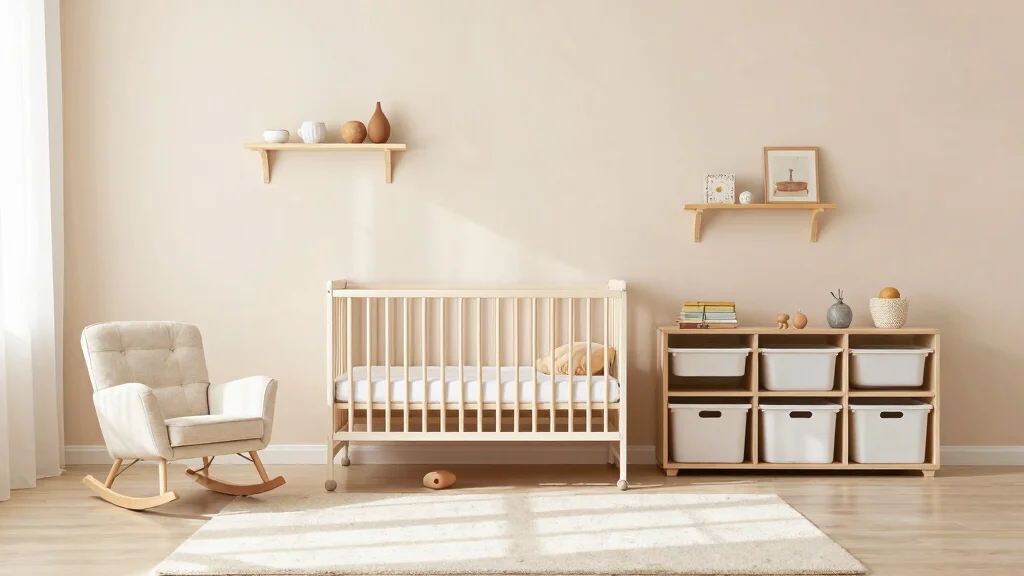


Creating a cozy and practical baby room can feel overwhelming, especially when you’re balancing daily care needs with stylish design. This post comes from my own journey as a parent, where I found that thoughtful layout choices can make all the difference. By focusing on how to organize a space that functions well for both you and your little one, I hope to provide inspiration that eases the daily routines of caring for a baby.
If you’re a new parent or someone preparing for a little one, this guide is just for you. You care about creating a nurturing environment that promotes comfort and safety while also being functional. You’re probably on the lookout for creative and minimalist baby room layout ideas to simplify your life. That’s why I’ve compiled a comprehensive list of 19 practical layouts that combine smart organization with aesthetic appeal.
In this guide, you’ll discover various ways to arrange your baby’s space that are both stylish and functional. From clever storage solutions to cozy nooks, each idea aims to help you streamline daily tasks and enjoy precious moments with your child. Let’s dive into these baby room layout ideas that not only look great but also enhance your everyday caregiving experience!
Key Takeaways
– Smart arrangements: Corner crib layouts can save space and create a cozy nook for your baby.
– Dual-purpose furniture: Multipurpose changing tables help with baby room organization and can add to your decor.
– Play zones: Designate a play area to encourage your toddler’s development while keeping toys organized.
– Storage solutions: Wall-mounted storage and under-crib options maximize space while reducing clutter.
– Personal touches: Incorporate nature-inspired elements and cozy textures to create a warm, inviting atmosphere.
Recommended Products
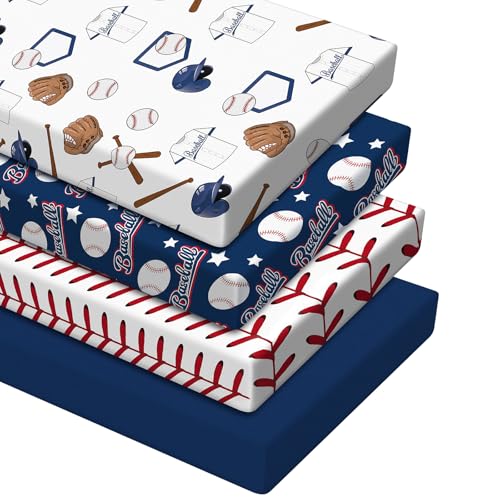
Americana Sport Themed 4 Piece Set: our baseball baby fitted sheet makes a delightful gift for a baby shower, birthday or holiday and is sure to receive lots of compliments; Our unique designs are created for both boys and girls, while their compatibility with different crib models enhances usefulness; They're ideal for setting the ambiance for fun filled, sport right in your baby's nursery
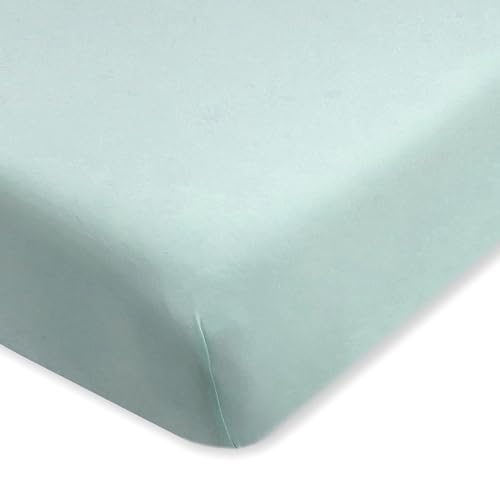
FABRIC: Crafted from 100% organic cotton. The soft jersey fabric is breathable and great for all seasons from fall/winter to spring/summer.

Aztec Western Cowboy Themed 4 Piece Set: our baby western cowboy fitted sheet makes a delightful gift for a baby shower, birthday or holiday and is sure to receive lots of compliments; Our unique designs are created for both boys and girls, while their compatibility with different crib models enhances usefulness; They're ideal for setting the ambiance for fun filled, fairy tale right in your baby's nursery
1. Corner Crib Layout
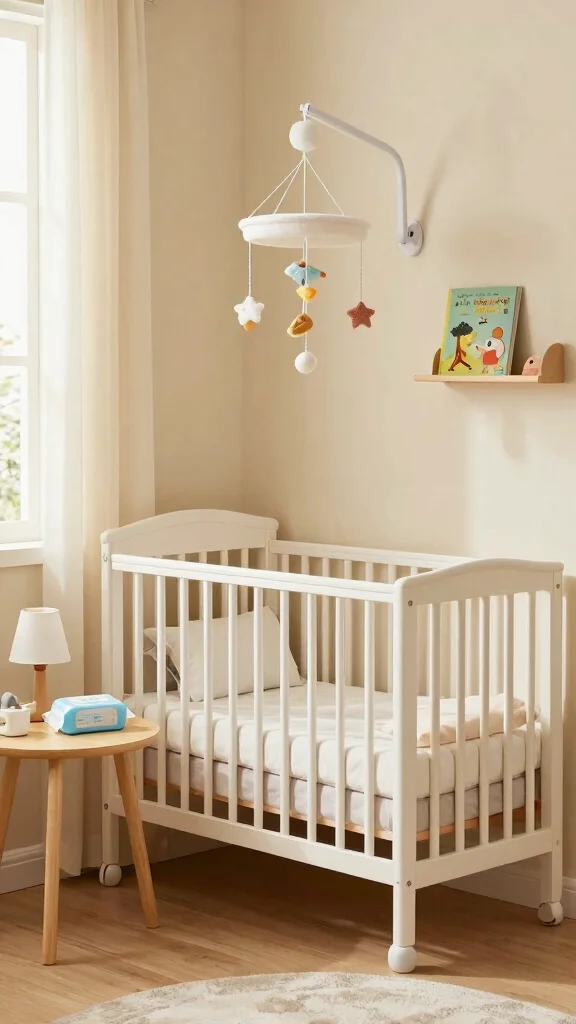
Utilizing a corner for your baby’s crib is a smart way to create a cozy and inviting nook. This design not only saves valuable floor space but also fosters a snug atmosphere that helps your little one feel secure. By placing a small side table next to the crib, you can easily access essentials like diapers and wipes, making your daily routine smoother. Pair this setup with soft textiles and gentle lighting to enhance the warmth of the space.
To make the most of this layout, consider these practical tips:
– Incorporate a corner shelf for books and toys.
– Use calming colors such as pale greens or soft blues.
– Add a plush rug to create a comfortable play area.
This approach not only maximizes space but also promotes a serene and nurturing environment, where textures and materials work together to create a harmonious design.
Recommended Products

【Spacious 3-Tier Storage with 4+2 Dividers, Plus Safety Guardrail Design】:Designed with 3 large-capacity tiers, 4+2 detachable dividers, and a raised guardrail on every shelf, this diaper caddy keeps all baby essentials—diapers, wipes, bottles, breast pumps, clothes, and toys—neatly organized and secure. No more messy nursery or worrying about items sliding off when rolling! Adjustable dividers let you customize storage space for quick, at-a-glance access to everything you need.

Patent Design and Safety Materials: USPTO Patent: 30002657 Approved and BOLUO baby dresser are tested at third-party,accredited laboratories to meet or exceed all applicable category voluntary and mandatory safety standards

COMPACT & PORTABLE: Emily occupies a small footprint and is ideal for small nurseries. It is lightweight and easily portable allowing you to move it around easily to ensure you can change LO anywhere at home with ease
2. Multipurpose Changing Table
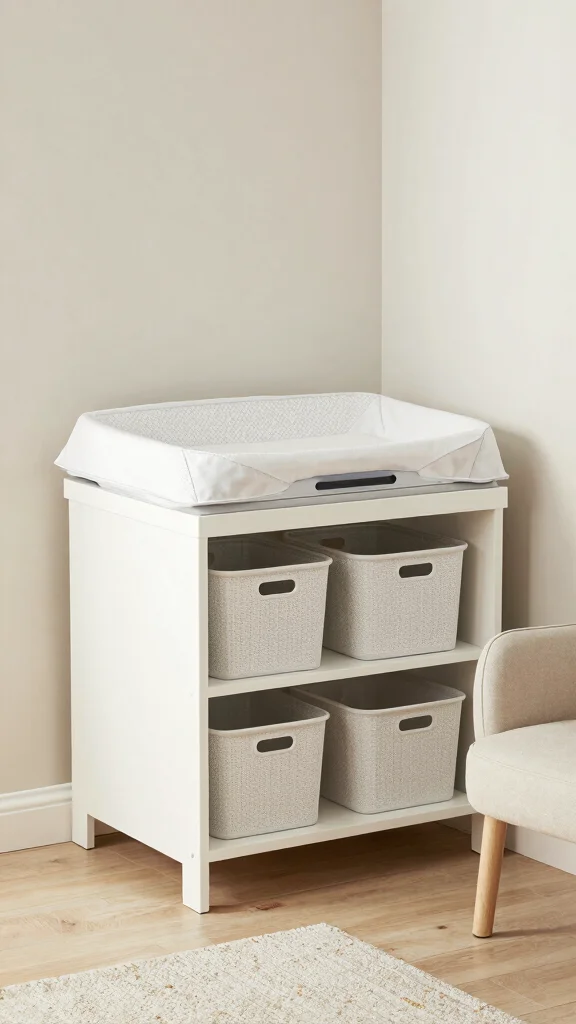
Combining the changing table with a storage unit is an excellent way to maximize functionality in your baby room. A multipurpose changing table saves space while keeping everything you need within easy reach. Look for options that feature drawers or shelves underneath to neatly store diapers, clothes, and toys, which streamlines diaper changes and keeps the area organized.
Here are some tips to enhance this layout:
– Select a height that minimizes back strain during use.
– Use colorful baskets to categorize items for easy access.
– Consider a wall-mounted changing pad to free up floor space.
This clever arrangement creates an efficient changing area without overwhelming the room, ensuring a smooth and accessible space for parents and babies alike.
Recommended Products

Create a Kids' Reading Corner: This wall bookshelf for kids helps organize your child's room by storing books up high. It keeps the nursery tidy, encourages reading, and effectively utilizes vertical wall space to free up the floor.

EXQUISITE NURSERY BOOKSHELF: This bookshelf features a vivid combination of wave and hook shapes, and is the latest exterior design by our professional team. It not only has an exquisite and elegant appearance, but also adds the functionality of a children's bookshelf, which children will love very much.

High-Quality Wood: Crafted from premium hardwood, our wall-mounted bookshelf ensures durability and a long-lasting finish, making it a reliable addition to any child's room
3. Play Area Zone
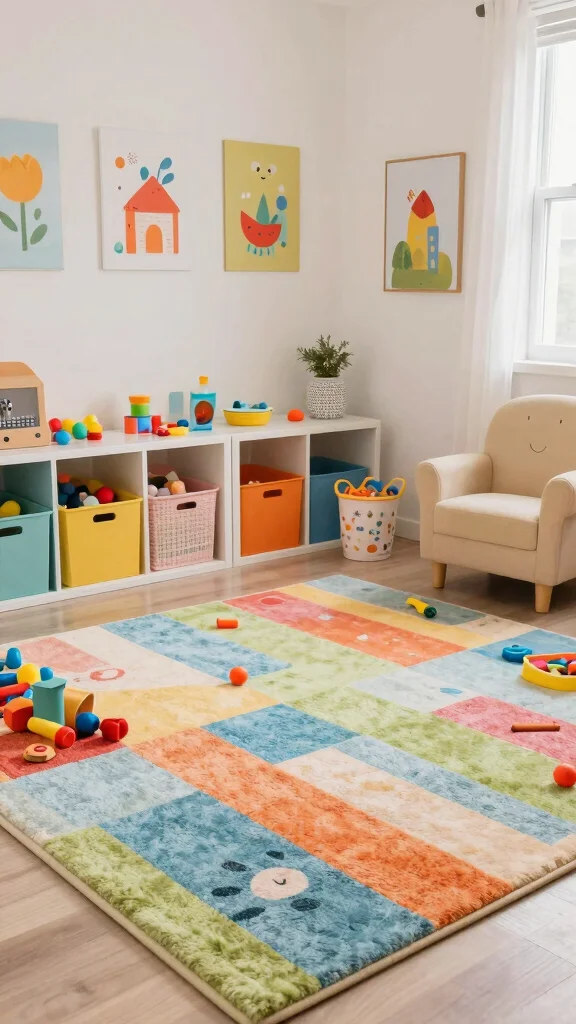
Creating a designated play area is crucial as your baby transitions into a toddler. This layout includes a small space with soft flooring and an easy-to-clean rug, ensuring safe and enjoyable playtime. Keep toys organized in containers or on reachable shelves, allowing your child the freedom to explore and play independently.
To optimize this area, consider these organization tips:
– Use colorful bins or baskets to encourage tidiness and fun.
– Install floating shelves to display toys without taking up floor space.
– Provide a play mat for added comfort during floor activities.
A dedicated play zone nurtures creativity and helps your child develop while maintaining a tidy environment.
Recommended Products

Versatile Dividers: Yecaye under bed storage containers comes with 2 adjustable dividers that let you organize items of varying sizes effortlessly. Whether it’s winter boots or seasonal clothes, configure the compartments to fit your exact needs. Our underbed storage ensures every inch of space is utilized efficiently, transforming chaos into an artful organization

Hold Up to 66lbs: Yecaye under bed storage with wheels is made of high quality 300D PU fabric and sturdy metal frame, can hold up to 66 lbs, stronger than other fragile metal mesh, spacious capacity perfect for storing clothes, toys, books, shoes and other heavy items also won't compromise stability and durability

4. Minimalist Furniture Choices

Adopting a minimalist approach in your baby’s room means selecting only essential furniture pieces. A streamlined crib, compact dresser, and simple chair for feeding create an open and airy feel while minimizing clutter. This thoughtful selection makes navigation easier and promotes a calm atmosphere.
Here are the benefits to consider:
– Simplifies cleaning and organization.
– Creates a serene environment for you and your baby.
– Focuses on functionality while avoiding excess.
Look for convertible furniture, like a crib that transforms into a toddler bed, ensuring longevity while enhancing the minimalist aesthetic.
Recommended Products

Educational and Fun: The kids room rug consists of 26 alphabets, animals, shapes, colors, months and so much more; Enhance the interaction between you and your children but also improve their cognitive and sensory abilities

Educational and Fun: The kids room rug consists of 26 alphabets, animals, shapes, colors, months and so much more; Enhance the interaction between you and your children but also improve their cognitive and sensory abilities

EDUCATIONAL PLAY MAT: Designed for imaginative learning and everyday play, this kids play rug features colorful printed scenes that encourage storytelling, exploration, creativity, and interactive activities for toddlers and young children.
5. Wall-Mounted Storage Solutions
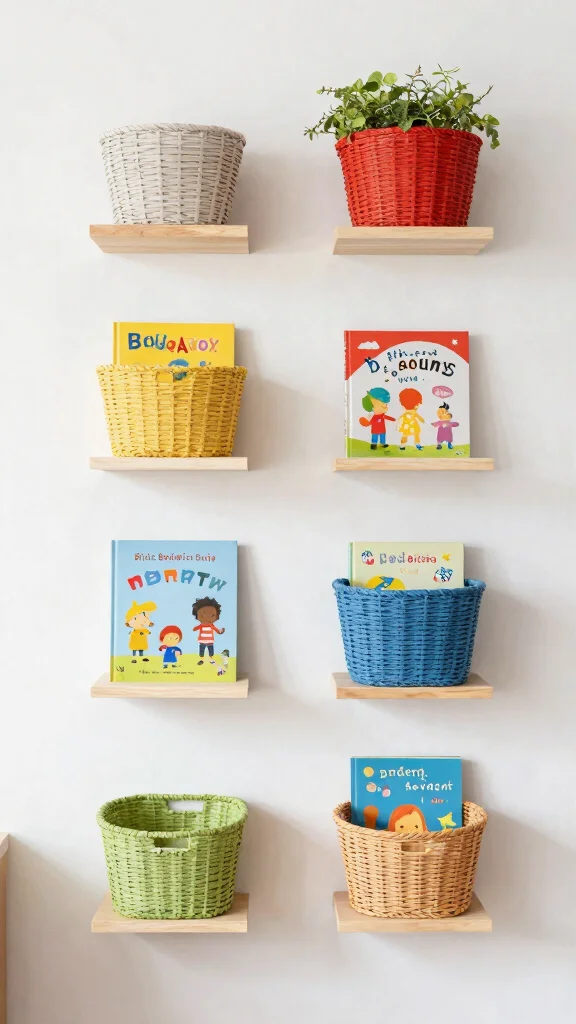
Wall-mounted shelves are an excellent solution for maximizing vertical space while keeping the floor clutter-free. Choose simple, open shelving to display books, decorative items, or baskets filled with toys, which adds both organization and style to the nursery.
Consider these ideas to implement wall storage:
– Install shelves at varying heights for added visual interest.
– Use colorful baskets to introduce pops of color.
– Secure heavier items at the bottom to ensure stability.
Wall-mounted solutions not only enhance the room’s spacious feel but also serve as a decorative feature that reflects your style.
Recommended Products


Christmas Whimsy Themed 4 Piece Set: our baby Christmas fitted sheet makes a delightful gift for a baby shower, birthday or holiday and is sure to receive lots of compliments; Our unique designs are created for both boys and girls, while their compatibility with different crib models enhances usefulness; They're ideal for setting the ambiance for fun filled, Christmas tale right in your baby's nursery

SAFETY FIRST: Oxford Baby Nursery Bedding is made to the highest safety standards that meet those set by the Consumer Product Safety Commission (CPSC) and American Society for Testing and Materials (ASTM); Our products endure rigorous testing by third-party labs to guarantee compliance with U.S. and Canada market so you can rest assure that your child is sleeping in a safe sleep environment.
6. Crib and Rocking Chair Combo
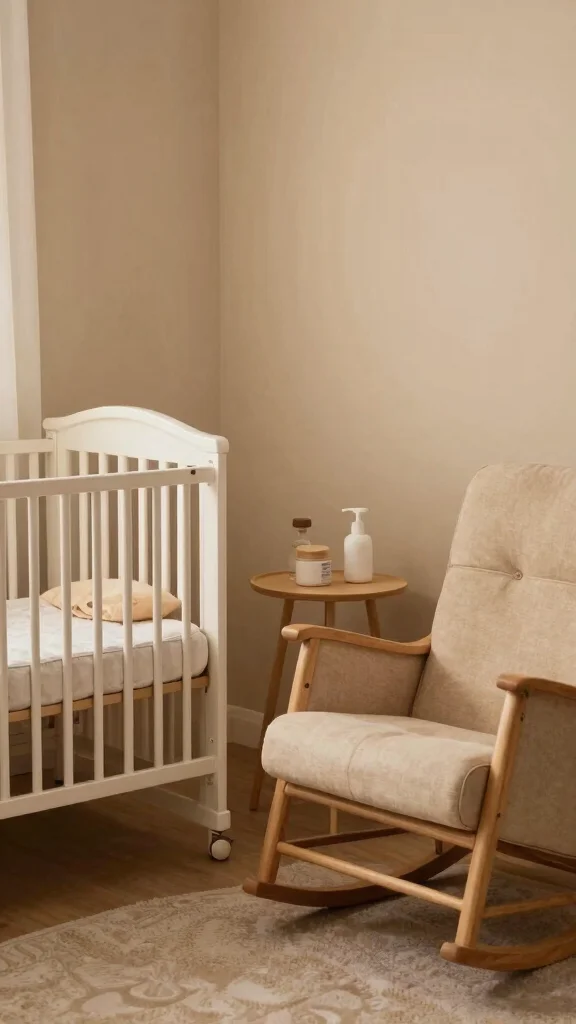
Placing the crib next to a rocking chair can make nighttime routines much more convenient. This setup allows you to easily reach your baby during feedings or comforting moments. Opt for a rocking chair with storage underneath to keep essentials like blankets and books close at hand.
Here are some practical tips:
– Choose an ergonomic rocking chair for comfort.
– Ensure the chair is a safe distance from the crib.
– Add soft lighting nearby for those late-night feedings.
This arrangement enhances comfort and connection, allowing for memorable bonding moments during those precious early months.
Tiny spaces, big routines—crucial baby room layout ideas show that placing the crib beside a storage-ready rocking chair makes nightly feeds smoother. Keep essentials within arm’s reach, and calm, minimalist care becomes second nature.
Recommended Products

Patent Design and Safety Materials: USPTO Patent Approved and BOLUO baby dresser are tested at third-party,accredited laboratories to meet or exceed all applicable category voluntary and mandatory safety standards

Tile out Trash Cabinet – This baby dresser with changing table top includes a tile out trash cabinet, combining the changing table and diaper pail in one. Toss used diapers within arm’s reach for quick, clean, and convenient changes.

【Adjustable Deviders in Big Storage Bin】Built-in adjustable divider allows you to customize sections inside the storage bin, helping prevent clutter and keeping diapers, wipes, and baby items neat and easy to find. you can adjustable the space of the bins compartment to meet different needs.
How To Choose the Right Baby Room Layout
Choosing the best layout for your baby’s room is essential for both functionality and comfort. A well-planned space can make your daily care routine smoother. Here are key factors to consider as you create the perfect baby room layout.
1. Size of the Room
Before deciding on furniture and layout, measure the dimensions of the room. Consider how much space you have and how much you need for each area. A compact room might limit your choices, while a larger space can allow for more furniture and functionality. Plan for enough room to move around safely, especially when carrying your baby.
2. Furniture Placement
Think about where you will place the crib, changing table, and storage. Ensure that the crib is in a spot where you can easily check on your baby. The changing table should be close to the crib but also accessible for diaper supplies. Arrange furniture to maintain smooth traffic flow throughout the room, which will help during nighttime feedings or diaper changes.
3. Safety Considerations
Safety is paramount when designing a baby room layout. Ensure that any furniture is secured and cannot tip over. Keep the crib away from windows and blinds to prevent any accidents. Use soft rugs or carpets to cushion any falls. Always check that electrical outlets are covered and out of reach.
4. Functional Decor
Choose decor that serves a purpose. Consider wall-mounted shelves for storing books or toys, which can free up floor space. Look for dual-purpose furniture, such as a changing table that doubles as a dresser. Use soft colors and textures to create a calming environment, but also ensure that decorations do not clutter the space.
5. Storage Solutions
Maximizing storage in a baby room is key to keeping it organized. Use under-crib storage bins for blankets and toys. Wall-mounted storage can hold additional items while keeping them out of reach of little hands. Think about using baskets for easy access to toys and clothes, making clean-up a breeze.
6. Personal Touches
Adding personal touches can make the room feel special. Hang family photos or art that inspires you. Use a color palette that reflects your style while still feeling cozy and welcoming. Personal elements create a nurturing space for both you and your baby.
Pro Tip: Consider using a sketch or an app to visualize your layout before moving any furniture. This can save you time and effort in rearranging later.
By thinking through these factors, you can create a baby room layout that is not only stylish but also functional for easy daily care. Remember to keep your baby’s needs in mind as you make design choices.
Recommended Products

Premium Material & Durable Design - Crafted from high-quality materials, our wall bookshelf and floating bookshelf are built to last. Safe, sturdy, and non-toxic, they provide reliable support for your nursery, kids' room, or bedroom decor.

THE ORIGINAL LOLA SCALLOP BASKET – Designed for style, function, and lasting quality. Handwoven from premium natural rattan with our signature scalloped edge, it reflects heirloom-worthy craftsmanship. As the original design, it is thoughtfully crafted in small batches using superior materials — never mass produced or made with low-grade alternatives. Protected by U.S. Design Patent No. D1,143,679.

✅[Charming Scalloped Style for Any Kids’ Space] Bring a soft, stylish touch to your nursery, bedroom, or playroom with these white scalloped wall shelves. The clean look blends beautifully with kids room decor while adding practical wall storage.
7. Color-Coded Zones
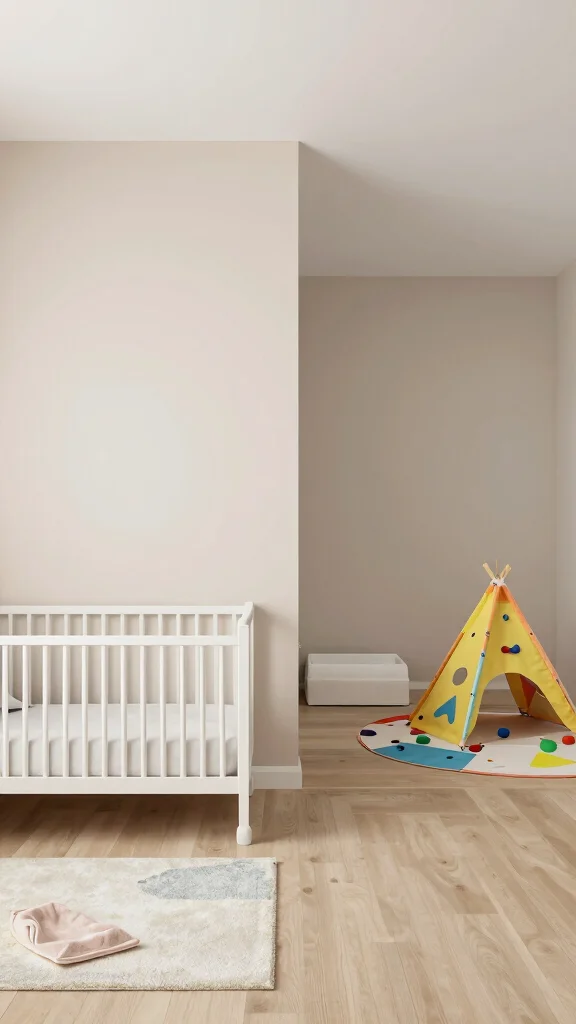
Creating color-coded zones in your baby’s room can significantly aid in organization as your child grows. By designating areas for sleeping, playing, and changing with subtle color variations, you can visually separate spaces while maintaining a cohesive look.
Here’s how to use colors effectively:
– Soft pastels work well for sleep zones.
– Bright hues can energize play areas.
– Neutral tones are ideal for changing zones.
This method not only promotes organization but also enhances the room’s visual appeal, making it easier for your child to understand their designated areas.
Recommended Products

Under-the-bed storage bag (2-pack) helps keep items safely stored, freeing up extra closet and drawer space

Maximize Underbed Space: Perfect for freeing up closet space, these storage bags fit easily under most beds and help keep comforters, blankets, and seasonal clothing neatly organized without taking up extra room

[Quality Metal Container] Never settle for flimsy plastic&linen under bed storage bins which rip all too easily. This under the bed storage container is completely made of metal, compared with other under bed storage bins, smaller mesh size of the shelf is used for a larger load-bearing capacity. Plus, the whole frame was welded into a whole that never falls apart.
8. Under-Crib Storage
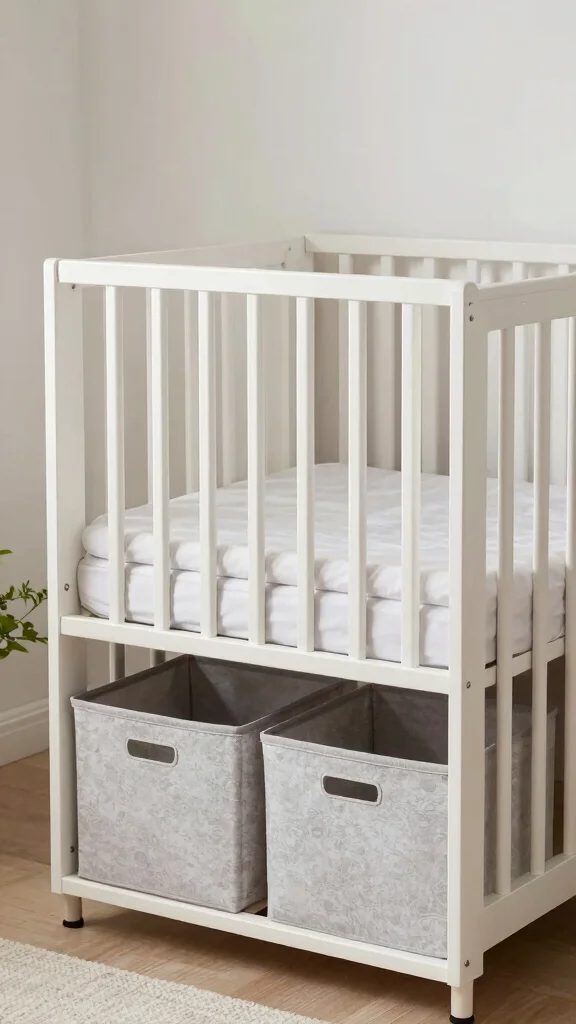
Utilizing the space under the crib is a fantastic way to maximize storage. Opt for containers or bins that easily slide beneath for stowing away extra linens, toys, or outgrown clothes. This clever storage solution keeps the room tidy and organized without compromising style.
Here are some effective storage solutions:
– Use clear bins for easy visibility of items.
– Choose low-profile containers to avoid clutter.
– Label bins to simplify access.
This small adjustment can provide significant storage benefits, streamlining your everyday routines.
Recommended Products

-- 4x6 VINTAGE AREA RUGS MULTIPLE USE -- Measures 5ft x 7ft. The pile measure 0.1 inch height. Woodland throw rug is perfect for any high traffic area like bedroom, living room, kitchen, bathroom, entryway, under the kitchen table, dorm, kids room, etc

SAFE TODDLER CRAWL RUG WITH UPGRADED NON-SLIP TPR BACKING :This kids city road play rug uses eco-friendly odorless polyester fabric, safe for babies and toddlers to crawl and play on this toy car activity rug. Built with thick TPR non-slip backing, this nursery play mat stays firmly on hardwood, tile and laminate floors without sliding or curling. It protects your little boys and girls from falls during pretend city games, creating a secure kids indoor play area

【Excellent Quality and Safe】: UKISS Kids car rug is made of high-quality polyester materials,soft and comfortable touch,wear resistant, stitched edge and reinforced edging for durability,Non-toxic ,Non-BPA, and lead-free durable ABS plastic, the back with TPE is non-slip, make the rug place well on the floor to keep our kids safe.
9. Decorative Changing Wall
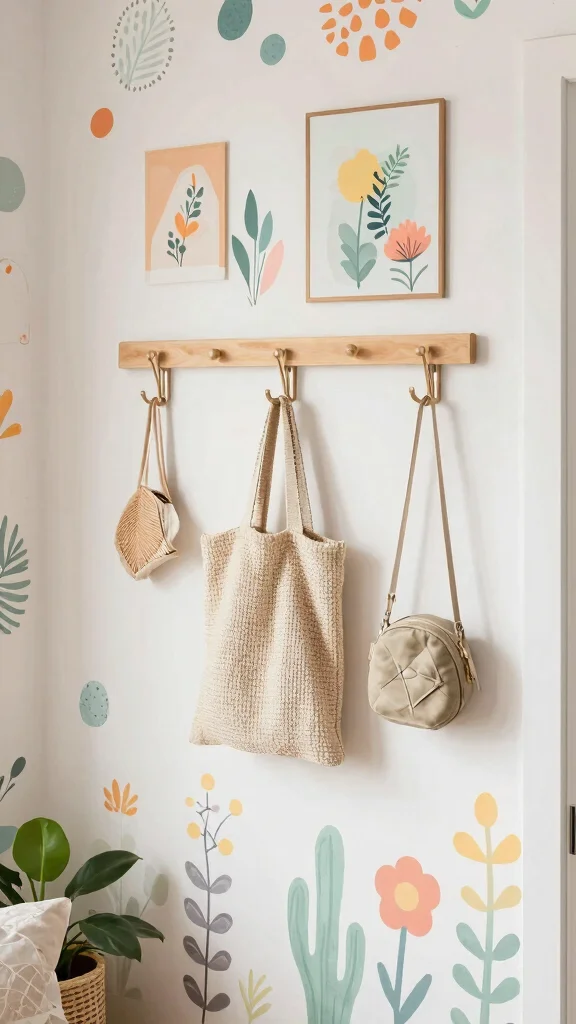
Transforming the changing area into a decorative focal point can make it visually appealing while keeping essentials easily accessible. Use decals, artwork, or fabric to beautify the space, and incorporate functional hooks for towels or diaper bags to stay organized.
Here are some artistic ideas:
– Choose a theme that complements the room’s decor.
– Add a bright print to uplift the atmosphere.
– Use removable decals for flexibility in design.
A decorative changing wall adds personality while ensuring functionality, making the time spent in the nursery more enjoyable.
10. Cozy Reading Nook
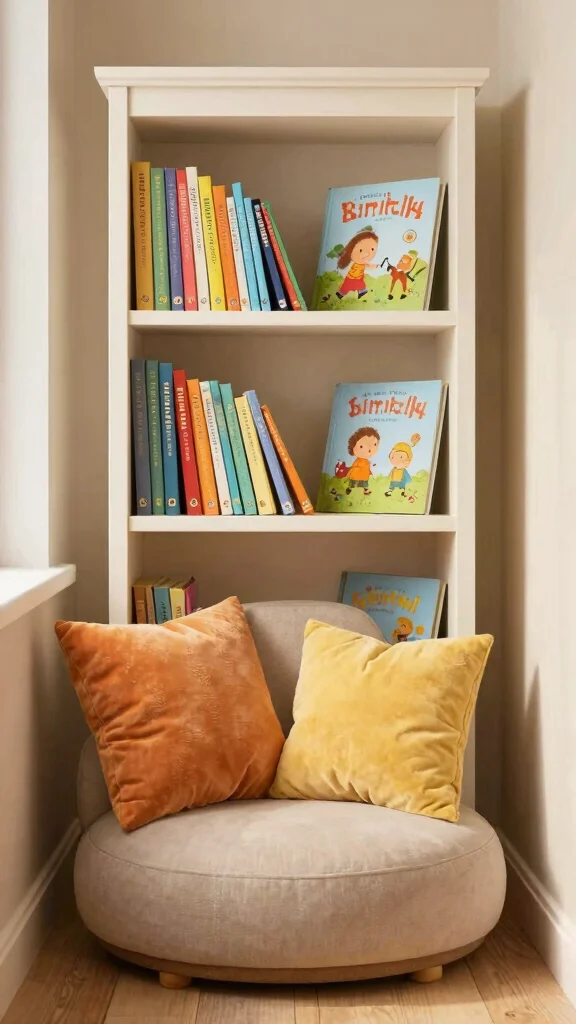
Creating a cozy reading nook in your baby’s room not only fosters early literacy but also provides a calming retreat. Include a small bookshelf, a soft chair, and plenty of cushions to make the space inviting. This special corner can be perfect for bonding over storytime.
Consider these tips for an ideal reading nook:
– Use bright colors to make it inviting.
– Include a selection of age-appropriate books.
– Add soft lighting for evening reading sessions.
A reading nook encourages literacy and offers a comfortable space for you and your little one to unwind.
11. Adaptable Art Space
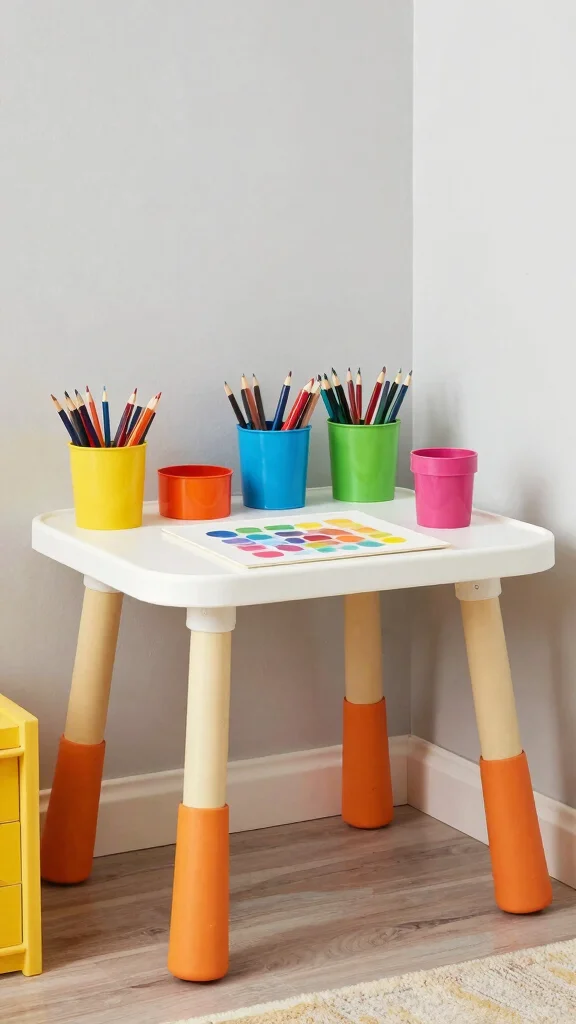
As your child grows, an adaptable art space becomes essential for creativity. Designate a small area with child-friendly tables and washable materials to keep the mess manageable while engaging your child. This setup promotes creativity and keeps your baby room organized.
Here’s how to set up an art space:
– Use wipeable surfaces for easy cleanup.
– Incorporate storage for art supplies to keep things tidy.
– Choose a location that is easy to supervise while they create.
An adaptable art space nurtures creativity while ensuring your baby room remains functional and organized.
Fun fact: for baby room layout ideas, a dedicated, wipeable art corner cuts cleanup time by up to 60% and sparks daily creativity. Keep supplies in labeled bins and a small table—your space stays organized, and mess stays manageable. Perfect for the evolving tiny artist in your home.
12. Easy Access Wardrobe
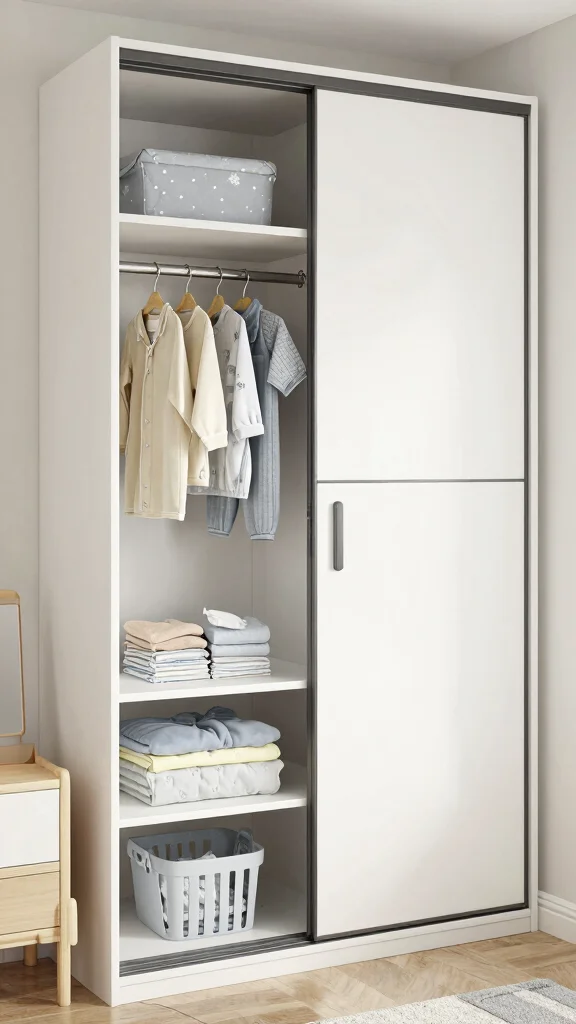
An easily accessible wardrobe can streamline dressing routines in your baby’s room. Opt for sliding doors or open shelving for quick visibility of outfits, allowing you to grab what you need with minimal fuss. This design makes mornings smoother and promotes independence as your child grows.
Here are some wardrobe tips:
– Arrange clothes by size or season for efficiency.
– Use drawers for smaller items like socks and hats.
– Keep a small mirror nearby for last-minute checks.
An accessible wardrobe not only simplifies dressing but also encourages your little one to engage more with their clothing.
13. Functional Rocking Cradle
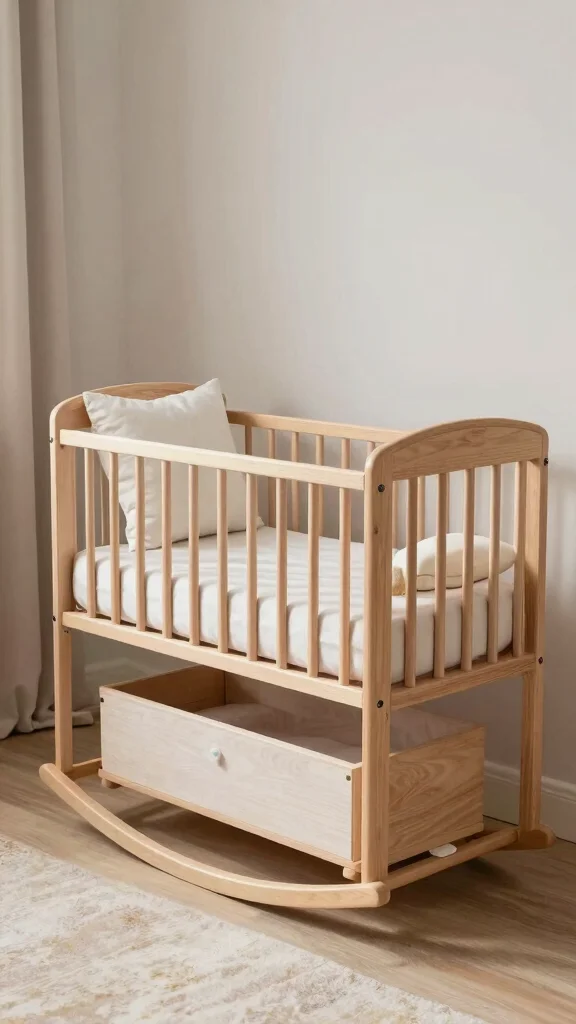
Incorporating a rocking cradle into your nursery beautifully combines style with soothing functionality. Choose a cradle that aligns with your aesthetic while offering storage underneath for blankets or baby essentials. This dual-purpose piece enhances the room’s design while fulfilling a necessary function.
Here are tips for choosing the right cradle:
– Opt for a design that complements your decor.
– Ensure it is sturdy and safe for your baby.
– Consider one that can convert into a chair for later use.
A rocking cradle introduces a traditional touch while providing a cozy space for bonding with your baby.
14. Soft Textures and Layers
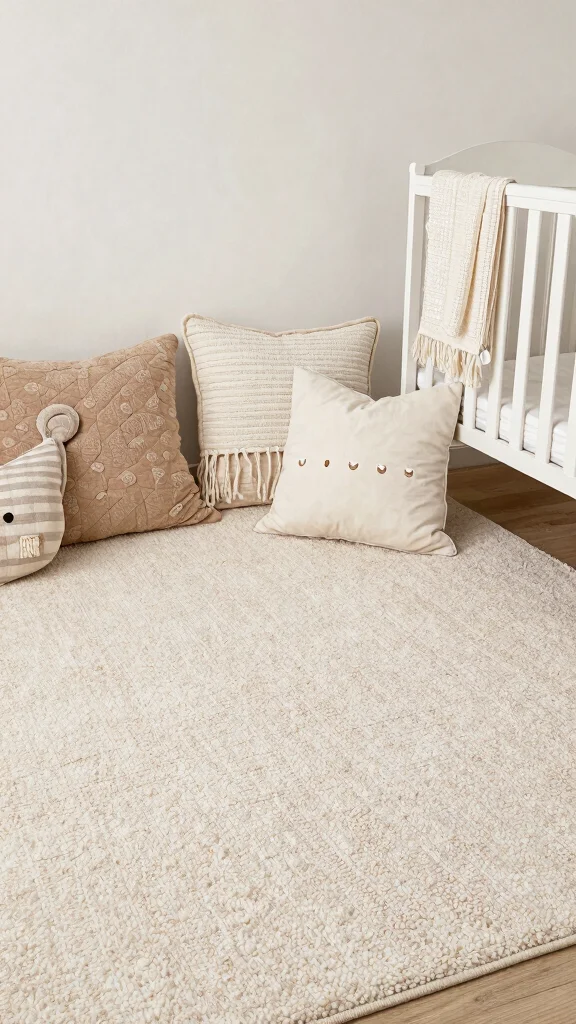
Incorporating a variety of textures and layers creates a warm and inviting atmosphere in your baby’s room. Soft rugs, plush cushions, and cozy blankets contribute to a comfortable and secure environment. Layering fabrics with different textures adds visual interest and a touch of luxury to the space.
Consider these textural elements:
– Use a variety of fabrics for bedding and decor.
– Integrate woven baskets for added natural texture.
– Add soft throws or blankets to chairs for warmth.
These layers enhance comfort and contribute to a cohesive design, making the baby room a welcoming retreat.
15. Minimalist Color Palette
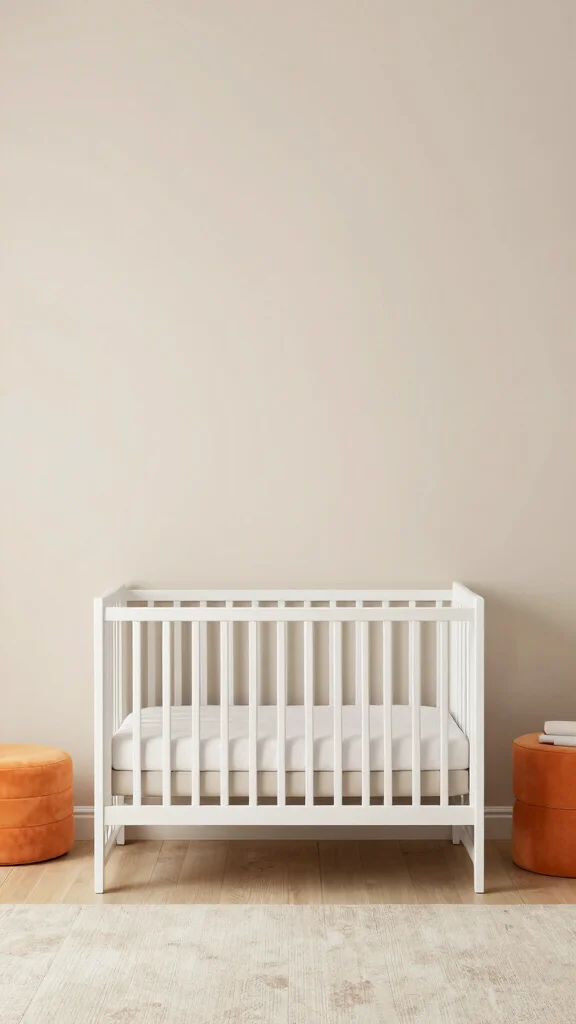
A minimalist color palette emphasizes simplicity and tranquility in a baby room. Choose soft, neutral tones to create a peaceful atmosphere that promotes relaxation. You can add playful pops of color through toys, artwork, or textiles for a chic yet lively style.
Here are some color palette tips:
– Select 2-3 main colors and maintain consistency.
– Use shades of white, beige, or pastels for a soft look.
– Incorporate brighter accents to add liveliness.
This approach keeps the room feeling airy and spacious while allowing easy transitions as your child grows.
16. Functional Decor Ideas
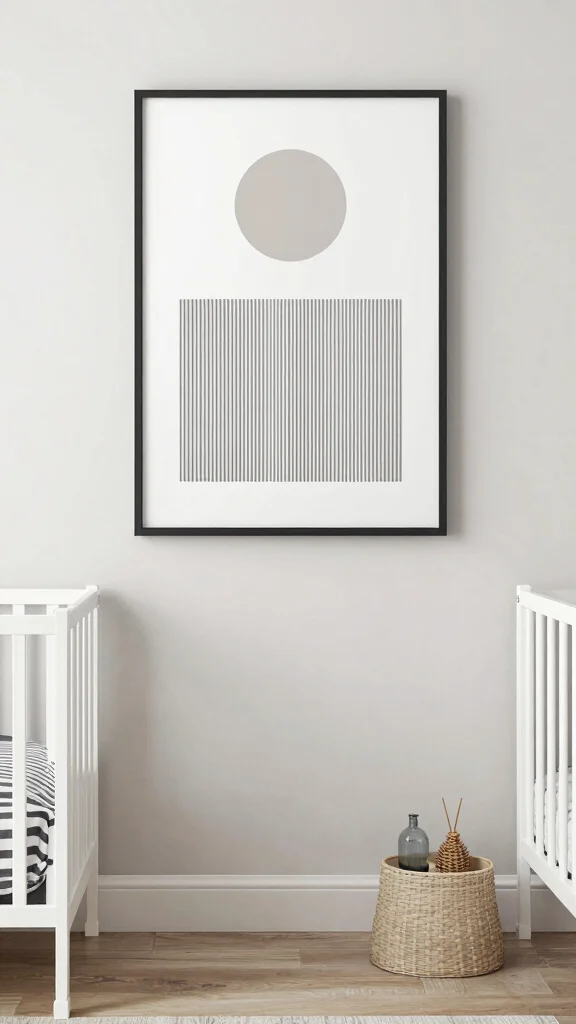
Decor can serve a functional purpose too! Look for items that provide dual functionality, like decorative hooks for hanging bags or wall art that includes storage. This strategy not only saves space but also maintains a stylish appearance throughout the room.
Here are some functional decor examples:
– Artwork that doubles as shelving for books.
– Hooks with decorative flair for hats or bags.
– A stylish bin that holds toys while looking chic.
Integrating functional decor keeps your baby room organized and stylish, ensuring every piece serves a purpose.
Fun fact: functional decor in baby room layout ideas can save up to 30% of floor space. Artwork that doubles as shelves or decorative hooks keep essentials within reach without sacrificing style.
17. Safety First Arrangements
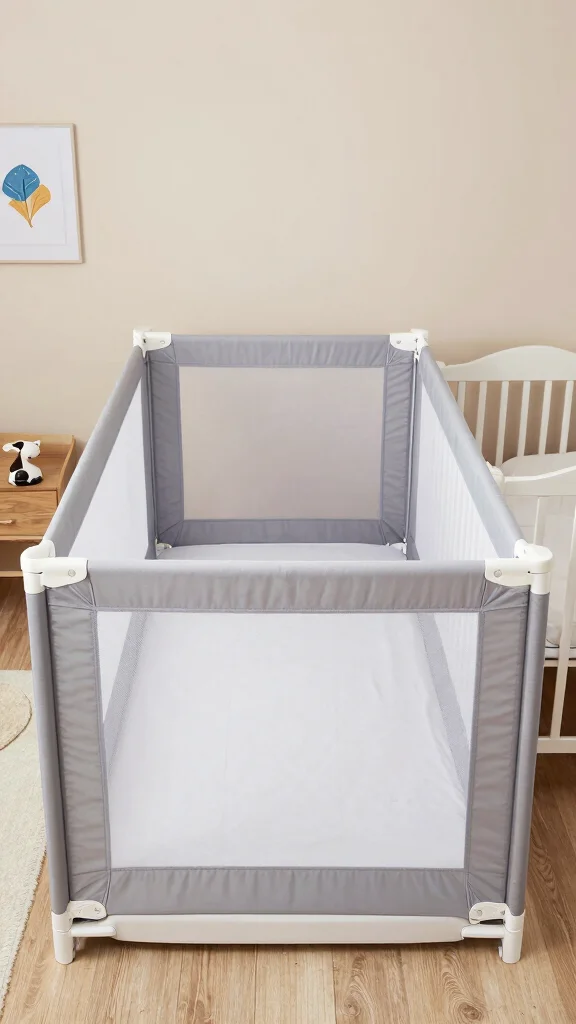
Always prioritize safety when arranging your baby’s room! Ensure all furniture is anchored securely and position the crib away from potential hazards like windows or cords. Keep items out of reach of curious little hands, anticipating your child’s growth and exploration.
Here are some safe arrangement tips:
– Place heavy furniture against walls for added stability.
– Maintain a clear area around the crib for safety.
– Use cord keepers to neatly tuck away loose cables.
Creating a safe environment provides peace of mind, ensuring a nurturing space for your baby to thrive.
18. Nature-Inspired Elements
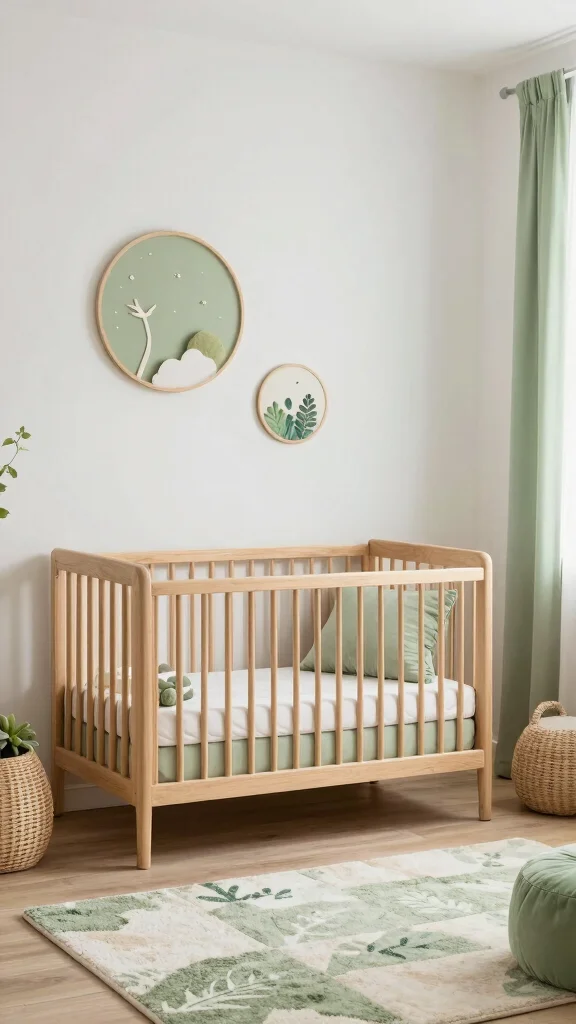
Incorporating nature-inspired elements introduces a calming and fresh vibe to your baby’s room. Opt for natural materials like wood and cotton, along with plant-themed decor. These choices connect the space to the outdoors, fostering relaxation and warmth.
Here are some ideas to consider:
– Use wooden furniture for a warm, natural touch.
– Decorate with botanical prints or soft greens to enhance the theme.
– Add plants that are safe for children or opt for faux plants for ease.
This approach not only elevates the visual appeal but also creates a serene environment that nurtures your baby.
19. Personal Touches
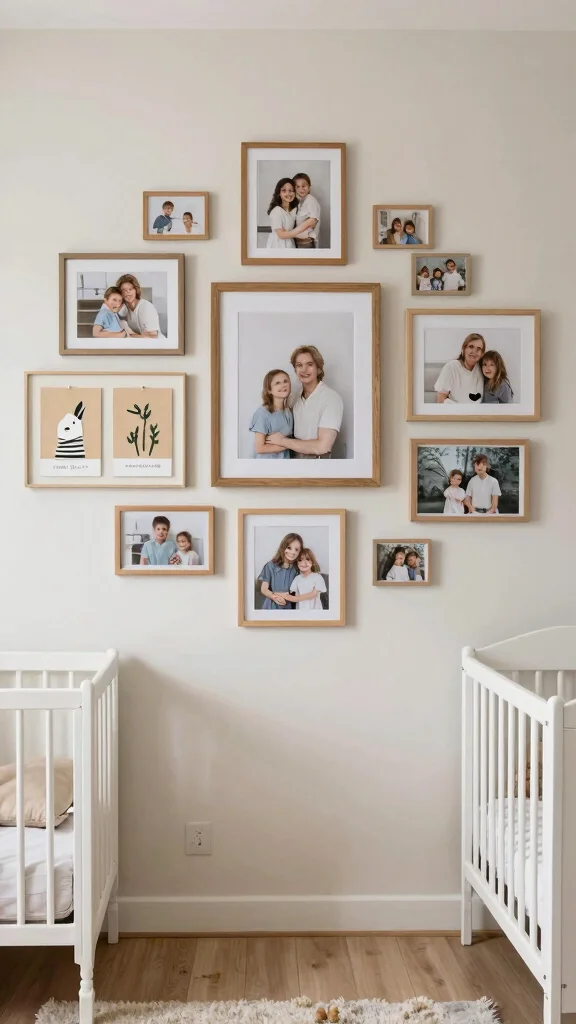
Don’t overlook the importance of adding personal touches that make the space uniquely yours. Family photos, heirloom decorations, or handmade items can infuse warmth and character into the nursery. These personalized elements create a meaningful environment for you and your baby to share special moments together.
Consider these personalization ideas:
– Frame family pictures to create a gallery wall.
– Incorporate handmade crafts or meaningful items from family.
– Use your baby’s name in decor for a special touch.
By adding personal details, the nursery becomes a cherished space that reflects your family’s love and history.
Conclusion
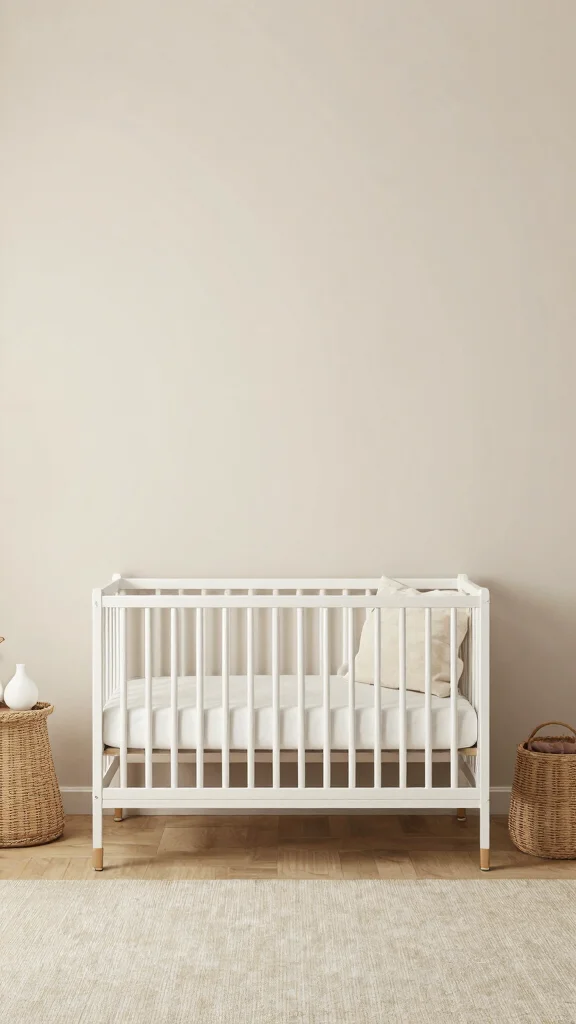
Designing a baby room is all about finding balance between style, functionality, and comfort. Each of these 19 layouts offers unique ways to create a beautiful and practical space for your little one. By focusing on minimalist ideas, you can ensure that your nursery not only looks great but also serves your family’s needs effectively.
As you embark on this journey, keep your personal style in mind and feel free to experiment with layouts that best cater to your lifestyle and baby’s comfort.
Frequently Asked Questions
What are the most practical baby room layout ideas for easy daily care?
Start by creating two main zones: sleeping and daily care. Place the crib and changing area within easy reach, with a clear walkway for safe nightly trips.
Choose space-saving furniture that serves multiple roles, like a dresser that doubles as a changing table, and add wall shelves to keep essentials accessible yet tidy.
Keep the floor clear and use labeled bins for baby room organization. A calm, minimalist color palette makes the space feel bigger and supports simple nursery design tips that grow with your child.
How can I maximize a small space with space-saving furniture in a minimalist baby room?
Plan traffic flow and pick multi-functional pieces first. Consider a convertible crib, a compact changer combined with a dresser, and wall-mounted storage to free floor space.
Use vertical solutions like tall bookcases and hanging organizers, plus under-bed or under-crib storage bins to hide bulky items. Label everything to support baby room organization and nursery design tips that keep the look clean and calm.
What functional decor ideas help with daily care without adding clutter?
Think practical decor that actually helps routines. Use a dedicated diaper caddy and a changing station near the crib for quick changes, a night-light path for late feeds, and color-coded bins for baby room organization.
Opt for a simple, cohesive color palette and functional accents like hooks for clothes, a foldable hamper, and wall-mounted organizers that reduce surface clutter while keeping essential items in reach.
How can I incorporate toddler room inspiration while keeping the space cohesive with a baby area?
Design with growth in mind: choose modular, space-saving furniture that can be repurposed as your child grows, like a dresser that becomes a kids’ desk or a crib that converts to a toddler bed. Extend the color palette and decor themes into a small toddler zone with soft seating and a low shelf for books, so the transition feels natural without a full redesign. This approach supports seamless nursery design tips and keeps baby room layout ideas relevant for years.
What are common mistakes to avoid in baby room layout ideas and baby room organization?
Avoid cramming too many pieces into a small space—poor circulation makes daily care harder. Don’t place the changing station far from the crib, or you’ll waste time during late-night changes. Skip fragile decor near the changing area and beware of cords and hazards. Instead, map a simple layout on paper, use multi-functional furniture, and keep a dedicated, reachable caddy for essentials to support nursery design tips and maintain baby room organization for easy daily care.
Related Topics
baby room layout ideas
minimalist design
nursery organization
space-saving furniture
functional decor
toddler room inspiration
easy care tips
modern nursery
beginner friendly
budget decor
small space solutions
stylish storage

I've spent years obsessing over the details that make a house feel like a home — from the perfect bedding layers to a thoughtfully styled coffee corner. My focus is on modern, aesthetic home decor ideas that are beautiful, trend-aware, and actually achievable. Great style shouldn't require a big budget — just the right inspiration.
Follow on Facebook